How to Dry Peppers: 5 Methods Compared
Preserve your pepper harvest by drying! Compare 5 different methods from air-drying to dehydrators, with pros, cons, and best uses for each.
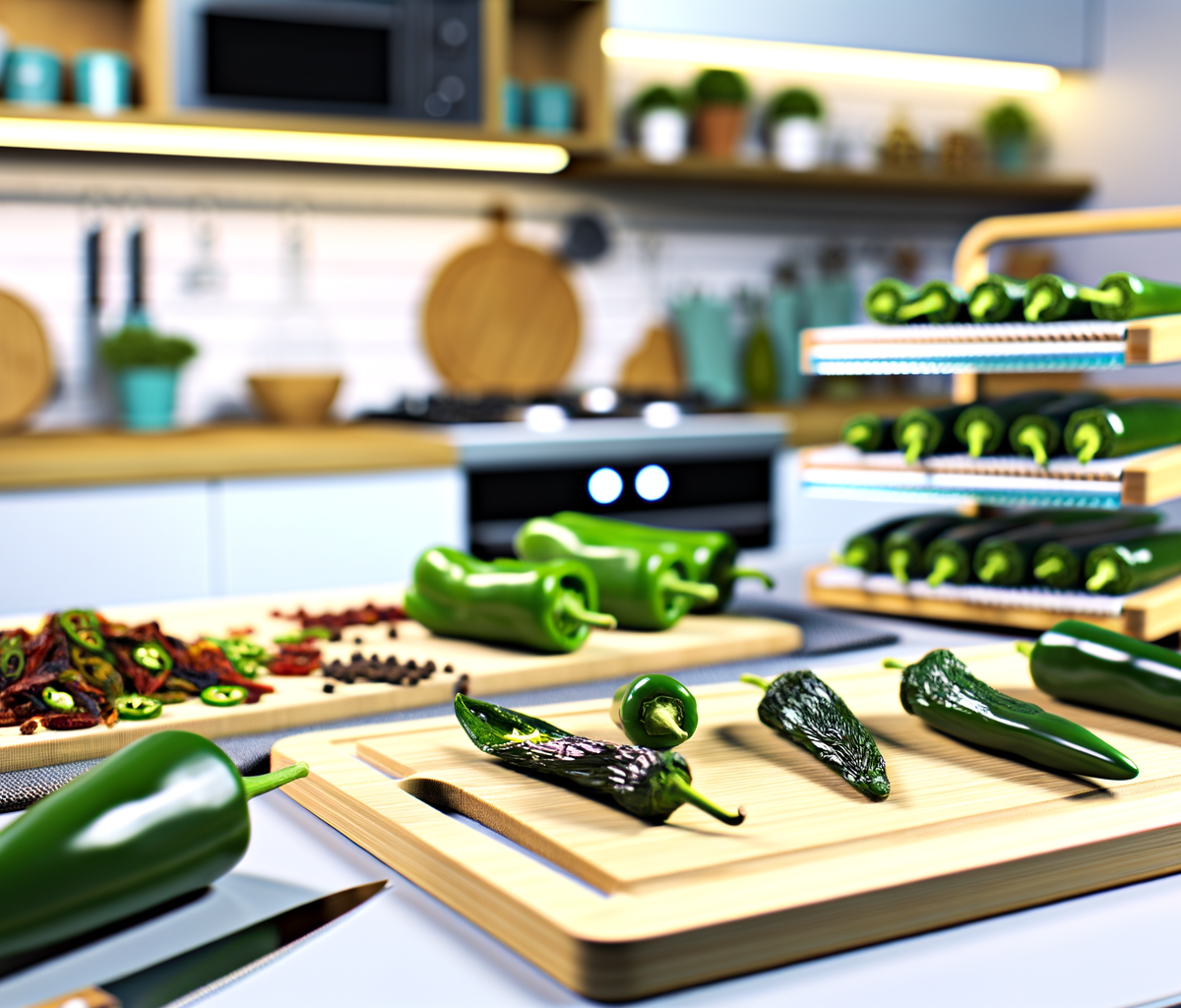
How to Dry Peppers: 5 Different Methods Compared
Got more peppers than you can eat fresh? Drying is the perfect preservation method. Here are 5 ways to do it, with the pros and cons of each.
Why Dry Peppers?
Benefits:
- Long-term storage (1-2 years)
- Concentrated flavor
- Make your own chili powder
- Save freezer space
- No canning equipment needed
Method 1: Air Drying
How It Works
String peppers together and hang in a warm, dry location with good air circulation.
Best For
- Thin-walled peppers (cayenne, Thai, árbol)
- Hot, dry climates
- Traditional ristra (pepper strings)
Process
- Thread fishing line through pepper stems
- Hang in warm, dry spot (70-80°F)
- Wait 3-4 weeks until completely dry and brittle
Pros
- Free and simple
- Beautiful decoration
- Traditional method
- No equipment needed
Cons
- Very slow (3-4 weeks)
- Humidity ruins peppers
- Risk of mold
- Takes up space
Success tip: Only works in low humidity. If your area is humid, choose another method.
Method 2: Oven Drying
How It Works
Use your regular oven at very low temperature to dry peppers.
Best For
- Small batches
- People without dehydrators
- Faster than air drying
Process
- Slice peppers in half or rings
- Arrange on baking sheets
- Set oven to lowest setting (150-200°F)
- Prop door open slightly
- Dry 6-12 hours, checking regularly
Pros
- Faster than air drying
- Works in any climate
- No special equipment
Cons
- Ties up your oven
- Uses lots of energy
- Uneven drying
- Can cook instead of dry if too hot
Success tip: Use a wooden spoon to prop the door open for air circulation.
Method 3: Food Dehydrator
How It Works
Electric dehydrator with controlled temperature and airflow.
Best For
- Regular pepper drying
- All pepper types
- Consistent results
Process
- Slice peppers uniformly
- Arrange on dehydrator trays
- Set to 125-135°F
- Dry 8-12 hours
- Cool and store
Pros
- Consistent results
- Temperature control
- Even drying
- Can do large batches
- Efficient
Cons
- Requires equipment purchase
- Takes counter space
- Uses electricity
Success tip: This is the best method for most people. Dehydrators pay for themselves quickly!
Method 4: Sun Drying
How It Works
Place peppers in direct sunlight for natural solar drying.
Best For
- Very hot, dry climates
- Small batches
- Free, solar power
Process
- Slice peppers
- Place on screens or mesh
- Set in direct sun
- Bring inside at night
- Takes 3-7 days
Pros
- Free energy
- Works with any pepper
- Traditional method
Cons
- Weather dependent
- Risk of pests and birds
- Needs to be brought in nightly
- Very slow
Success tip: Cover with cheesecloth to keep bugs away while allowing airflow.
Method 5: Microwave Drying (Quick Method)
How It Works
Use microwave in short bursts to rapidly dry small amounts.
Best For
- Emergency quick-dry
- Very small batches
- Testing pepper heat
Process
- Slice peppers thinly
- Place on microwave-safe plate
- Microwave 30 seconds at a time
- Check and rotate
- Continue until dry (2-4 minutes total)
Pros
- Extremely fast
- Perfect for small amounts
- No special equipment
Cons
- Easy to burn
- Small capacity
- Uneven drying
- Not for large batches
Success tip: Better for small test batches than preservation.
Our Recommendations
Best overall: Food dehydrator - consistent, reliable, efficient
Best budget option: Oven drying - uses equipment you have
Best for dry climates: Air drying - free and traditional
Best for small batches: Microwave - quick and easy
How to Know When Peppers Are Fully Dry
Properly dried peppers should be:
- Brittle and crispy
- Break with a snap
- No moisture when bent
- Lightweight
- No soft spots
Test: Bend the pepper. It should snap, not fold.
Storing Dried Peppers
Whole peppers:
- Store in airtight containers
- Keep in cool, dark place
- Last 1-2 years
Ground into powder:
- Use coffee grinder or spice grinder
- Store in airtight container
- Best used within 6 months
Pro tip: Add a food-grade silica packet to absorb any moisture.
Making Your Own Chili Powder
- Dry peppers using any method above
- Remove stems
- Grind in coffee grinder
- Store in airtight jar
Blend ideas:
- Pure cayenne for heat
- Ancho + chipotle for smoky BBQ
- Mix varieties for complexity
Start preserving your harvest today with the method that works best for you!
More from the Blog
How to Roast Jalapeños: 4 Methods Compared
From oven broiler to air fryer, here are four tried-and-true methods for roasting jalapeños to smoky, blistered perfection — with temps, times, and pros and cons for each.
BlogHow to Reduce Jalapeño Heat Without Losing Flavor
Too much jalapeño burn? These six techniques tame the heat while keeping the pepper flavor you love — from seed removal to acid balancing and smart substitutions.
BlogHow to Make Chipotles at Home: Smoke Your Own Jalapeños
Turn ripe red jalapeños into rich, smoky chipotles at home using a smoker, charcoal grill, or even your oven. Plus, learn how to make your own adobo sauce from scratch.