Poblano vs Ancho: What's the Difference?
Confused about poblano and ancho peppers? They're actually the same pepper at different stages! Learn when to use each and how they differ in flavor.
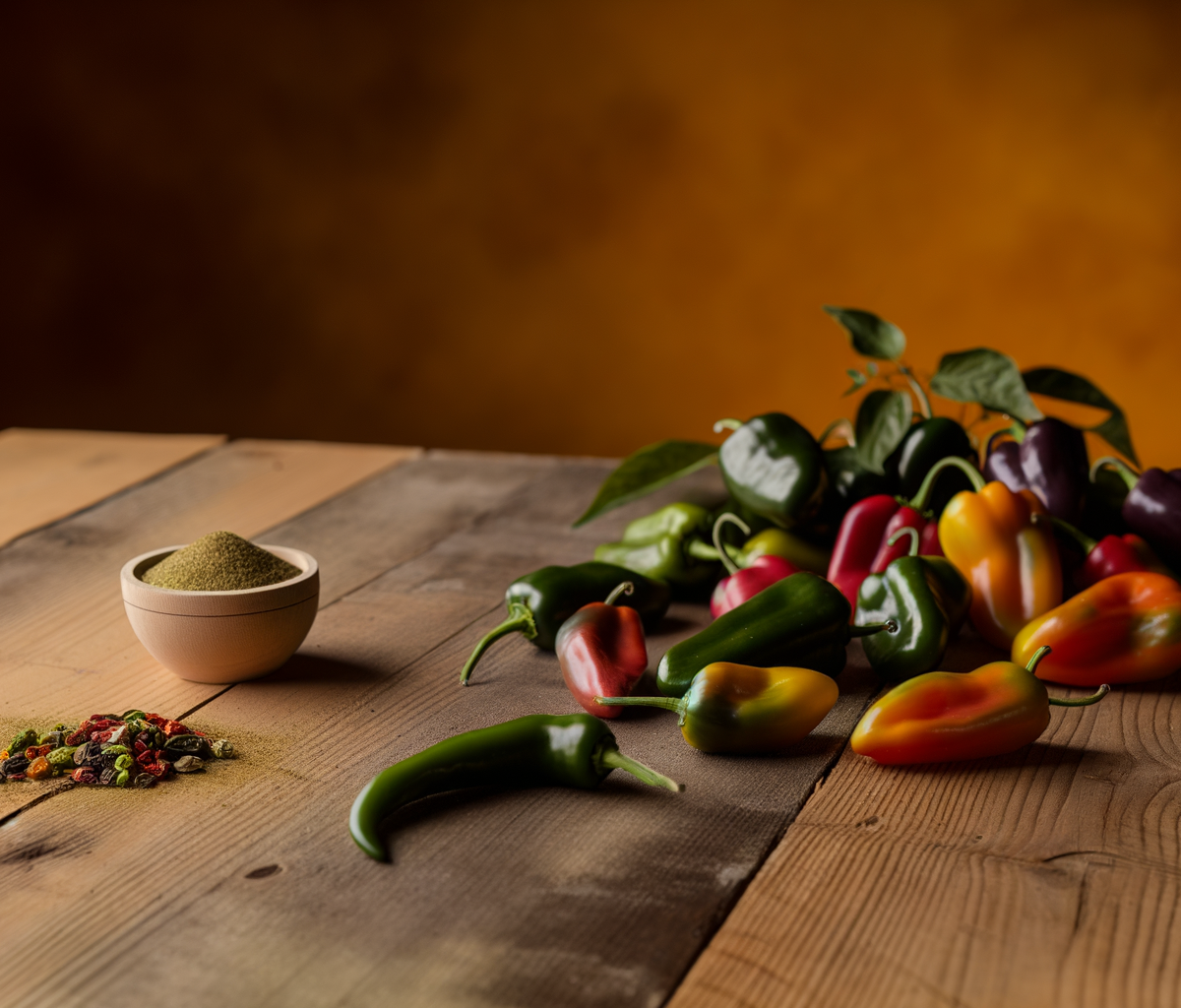
Poblano vs Ancho: What's the Difference?
Here's something that confuses many home cooks: poblano and ancho peppers are the same pepper at different stages. Let's clear up the confusion!
The Quick Answer
Poblano = Fresh, green pepper Ancho = Dried poblano pepper
It's that simple! But there's more to know about how drying transforms this pepper.
Fresh Poblano Peppers
Characteristics
- Large, heart-shaped
- Dark green color
- Thick walls
- Mild heat (1,000-2,000 SHU)
- Earthy, slightly bitter flavor
Best Uses
- Chiles rellenos: The classic use - stuff and fry
- Rajas: Roasted poblano strips
- Soups and stews: Adds mild heat and flavor
- Fajitas: Roasted with onions
- Salsa verde: Roasted for depth
Preparation Tip
Always roast poblanos! Roasting:
- Removes the tough skin
- Concentrates sweetness
- Adds smoky flavor
- Makes them digestible
How to roast: Place directly over gas flame or under broiler until blackened. Steam in a covered bowl for 10 minutes, then peel.
Dried Ancho Peppers
Characteristics
- Dark reddish-brown color
- Wrinkled, flat appearance
- Sweet, raisin-like flavor
- Mild heat (1,000-2,000 SHU)
- Complex, fruity notes
Flavor Profile
Anchos taste nothing like fresh poblanos! Drying creates:
- Deep, sweet flavor
- Hints of dried fruit
- Subtle chocolate notes
- Earthy complexity
Best Uses
- Mole sauce: Essential ingredient
- Chile sauce: The base for many red sauces
- Enchilada sauce: Provides rich color and flavor
- Adobo sauce: Adds complexity
- Spice rubs: Ground into powder
How to Use Dried Anchos
Method 1: Rehydrate
- Remove stems and seeds
- Toast in dry pan (30 seconds per side)
- Soak in hot water for 20-30 minutes
- Blend into sauces
Method 2: Grind Toast and grind into powder for spice blends and rubs.
Flavor Comparison
Fresh Poblano:
- Grassy, vegetal
- Slightly bitter
- Fresh pepper flavor
- Mild background heat
Dried Ancho:
- Sweet, fruity
- Raisin and prune notes
- Earthy depth
- Warm, gentle heat
Heat Level
Both measure 1,000-2,000 SHU (similar to a banana pepper). This makes them perfect for adding flavor without overwhelming heat.
Fun fact: Poblanos can occasionally have a spicy one in the bunch, but it's rare.
Nutritional Differences
Fresh Poblano (per 100g):
- Higher Vitamin C
- More water content
- Fresh vegetable benefits
Dried Ancho (per 100g):
- Concentrated nutrients
- More fiber
- Higher in iron
- Longer shelf life
Can You Substitute One for the Other?
Not really. They serve different culinary purposes:
Don't substitute fresh for dried in mole or enchilada sauce - you'll miss the deep, sweet complexity.
Don't substitute dried for fresh in chiles rellenos - the texture and flavor profile is completely different.
Exception: In some cooked sauces, you can use rehydrated anchos where fresh poblanos are called for, but expect a sweeter result.
Buying and Storage
Fresh Poblanos:
- Look for firm, glossy peppers
- Avoid soft spots or wrinkles
- Store in refrigerator for up to 2 weeks
- Freeze roasted for long-term storage
Dried Anchos:
- Should be flexible, not brittle
- Avoid dusty or faded peppers
- Store in airtight container
- Last 1-2 years in cool, dark place
Regional Names
Poblano: Sometimes called "pasilla" in California (though true pasilla is a different pepper!) Ancho: Means "wide" in Spanish, referring to the shape
Try Both!
The best way to understand the difference is to cook with both. Try:
- Fresh poblano in rajas con crema
- Dried ancho in homemade enchilada sauce
You'll immediately taste how different they are despite being the same pepper!
More from the Blog
Why Are Some Jalapeños Hot and Others Not? The Science of Heat
Ever bite into a jalapeño expecting fire and get nothing? The heat of any individual jalapeño depends on genetics, growing conditions, and ripeness. Here's the science behind the variation.
BlogRed vs Green Jalapeños: What's the Difference?
Red and green jalapeños are the same pepper at different stages of ripeness. Here's how they differ in flavor, heat, nutrition, and the best ways to use each one.
BlogScoville Scale Explained: Where Do Jalapeños Rank?
Jalapeños rank between 2,500 and 8,000 SHU on the Scoville scale, placing them in the mild-to-moderate range. Here's what that number actually means and how it compares.