Fermented Jalapeño Hot Sauce vs Vinegar-Based: Which Is Better?
Comparing fermented and vinegar-based jalapeño hot sauces side by side. Learn the differences in flavor, shelf life, health benefits, and ease of preparation.
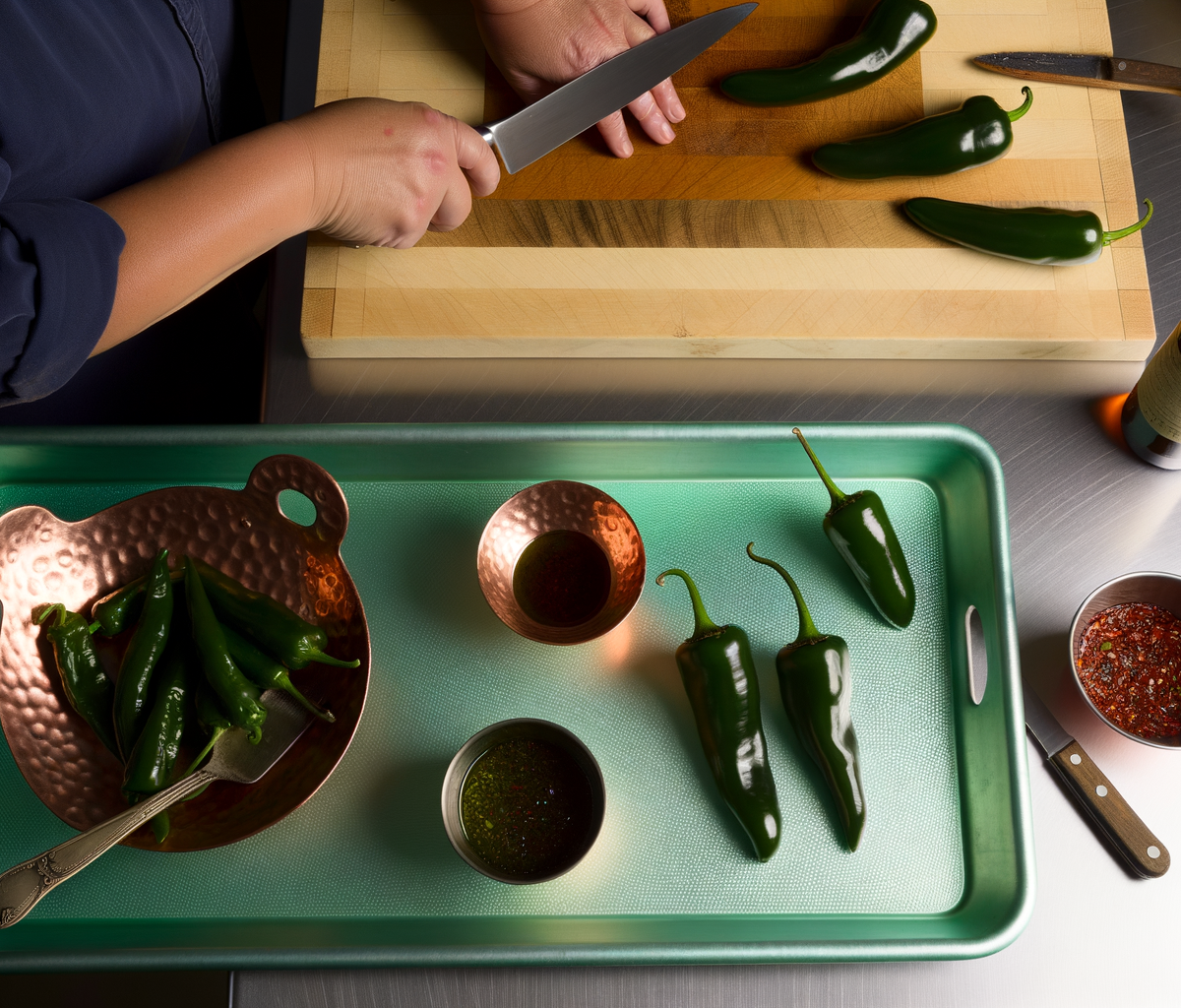
Fermented Jalapeño Hot Sauce vs Vinegar-Based: Which Is Better?
The debate between fermented and vinegar-based hot sauce comes down to what you value most: complex, funky depth or bright, punchy acidity. Both methods produce delicious results with jalapeños, but they differ significantly in flavor profile, preparation time, shelf life, and even nutritional benefits.
If you want the short answer — fermented hot sauce wins on flavor complexity and probiotic content, while vinegar-based hot sauce wins on speed and consistency. But the real answer is that every serious hot sauce lover should know how to make both. Let's break down exactly how they compare.
How Each Method Works
Vinegar-Based Hot Sauce
Vinegar-based hot sauce is the quicker of the two methods. You cook peppers with vinegar, salt, and aromatics, then blend everything smooth. The vinegar provides the acidity that preserves the sauce and gives it that sharp, tangy bite you recognize from brands like Tabasco and Frank's RedHot.
The process takes under an hour from start to finish. You simmer the ingredients, blend, strain if desired, and bottle. That's it. The sauce is ready to use immediately and keeps for months in the refrigerator — often six months or longer thanks to the high acidity.
Fermented Hot Sauce
Fermentation is a slower, hands-off process. You combine peppers with salt (typically 2 to 5 percent by weight), pack them into a jar, and let naturally occurring Lactobacillus bacteria do the work. Over one to four weeks, the bacteria convert sugars into lactic acid, which preserves the peppers and creates layers of tangy, umami-rich flavor that vinegar simply cannot replicate.
After fermentation, you blend the mash with some of the brine and optionally add a splash of vinegar for extra shelf stability. If you're curious about the fermentation approach with a hotter pepper, our fermented habanero hot sauce recipe walks through the entire process in detail.
Flavor Comparison
This is where the two methods diverge most dramatically.
Vinegar-based sauces taste bright, sharp, and straightforward. The vinegar dominates the flavor profile, and the pepper flavor sits behind it. These sauces are excellent for cutting through rich, fatty foods — think fried chicken, pizza, and mac and cheese. The flavor is consistent and predictable batch to batch.
Fermented sauces taste rounder, deeper, and more complex. The lactic acid produced during fermentation is gentler than acetic acid (vinegar), so the pepper flavor comes through more clearly. You'll notice funky, almost cheese-like undertones alongside the heat. Fermented sauces pair beautifully with eggs, grain bowls, tacos, and dishes where you want the sauce to add complexity rather than just heat and tang.
The heat level is roughly the same for both methods. Capsaicin survives both fermentation and vinegar cooking, so a jalapeño hot sauce will land in the same range on the Scoville scale regardless of method. What changes is your perception — the rounder acidity of fermented sauce can make the heat feel more integrated and less harsh.
Shelf Life and Storage
| Factor | Vinegar-Based | Fermented |
|---|---|---|
| Ready to use | Same day | 1-4 weeks |
| Fridge shelf life | 6-12 months | 6-12 months |
| Room temperature | Several months (high acid) | Not recommended (unless pasteurized) |
| Flavor over time | Stable | Continues to develop |
Both types last a long time in the refrigerator. Vinegar-based sauces with a pH below 3.5 can even be stored at room temperature, which is why commercial hot sauces often don't require refrigeration after opening.
Fermented sauces should generally be refrigerated to slow continued fermentation. Left at room temperature, they can become overly sour or build up pressure in the bottle. Some producers pasteurize their fermented sauces to stop the process, but this kills the beneficial bacteria.
Health Benefits
Fermented hot sauce has a notable advantage here. The live Lactobacillus bacteria in unpasteurized fermented sauce are probiotics — the same beneficial organisms found in yogurt, kimchi, and sauerkraut. Regular consumption of probiotic-rich foods supports gut health and digestion.
Vinegar-based sauces don't contain live cultures, though vinegar itself has some digestive benefits. Both types are low in calories and contain capsaicin, which research has linked to increased metabolism and anti-inflammatory effects.
Ease of Preparation
Vinegar-based sauce is significantly easier for beginners. The process is fast, forgiving, and produces consistent results. If your sauce is too thick, add more vinegar. Too thin, simmer it longer. There's very little that can go wrong.
Fermentation requires more patience and a basic understanding of the process, but it's not difficult. The main risk is mold, which can develop if peppers are exposed to air above the brine line. Using a fermentation weight or zip-top bag filled with brine to keep everything submerged eliminates this problem.
You can also experiment with different peppers. Mixing jalapeños with cayenne adds heat, while adding roasted poblanos contributes a smoky sweetness that develops beautifully during fermentation.
Which Should You Make?
Here's a practical guide:
- Choose vinegar-based if you want hot sauce today, prefer a sharp tangy flavor, or are making your first batch ever.
- Choose fermented if you enjoy complex flavors, don't mind waiting a few weeks, or want the probiotic benefits.
- Make both if you have a large pepper harvest. Ferment half and make a quick vinegar sauce with the rest. If you still have peppers left over, consider freezing them for later.
Many experienced hot sauce makers keep a continuous rotation: one batch fermenting on the counter while last month's batch is bottled and ready in the fridge. Over time, you'll dial in your preferred salt percentage, fermentation duration, and pepper blends.
Tips for Better Results with Either Method
- Use the freshest peppers possible. Peppers straight from the garden yield the best flavor. Our harvesting guide helps you pick at peak ripeness.
- Wear gloves. Both methods involve handling a lot of cut peppers. Jalapeño oils on bare hands lead to regret.
- Blend thoroughly. A high-speed blender produces the smoothest sauce. Strain through a fine-mesh sieve for a pourable consistency.
- Keep notes. Record your ratios, fermentation times, and tasting impressions. Hot sauce making is part science, part art, and your notes are how you improve.
Frequently Asked Questions
Can you ferment a vinegar-based hot sauce?
No. Vinegar's high acidity kills the Lactobacillus bacteria needed for fermentation. If you want a fermented sauce, start with just peppers and salt. You can add a small amount of vinegar after fermentation is complete for extra tang and shelf stability.
Is fermented hot sauce safe to make at home?
Yes. Lacto-fermentation is one of the oldest and safest food preservation methods. The salt concentration inhibits harmful bacteria while encouraging beneficial Lactobacillus. As long as you keep peppers submerged below the brine, maintain a clean environment, and use the correct salt ratio (2 to 5 percent by weight), home fermentation is very safe.
Why does my fermented hot sauce taste like beer?
Yeasty or beer-like flavors indicate that wild yeast participated in the fermentation alongside bacteria. This is harmless but can taste off-putting. It's more common in warm environments. Fermenting at cooler temperatures (65 to 75°F) and using a proper airlock helps prevent yeast from dominating.
How do I make fermented hot sauce less sour?
Ferment for a shorter period. Taste your mash every few days starting around day five. When the sourness reaches a level you enjoy, blend, bottle, and refrigerate to slow further acidification. Adding a small amount of honey or sugar when blending also balances perceived sourness.
More from the Blog
How to Roast Jalapeños: 4 Methods Compared
From oven broiler to air fryer, here are four tried-and-true methods for roasting jalapeños to smoky, blistered perfection — with temps, times, and pros and cons for each.
BlogHow to Reduce Jalapeño Heat Without Losing Flavor
Too much jalapeño burn? These six techniques tame the heat while keeping the pepper flavor you love — from seed removal to acid balancing and smart substitutions.
BlogHow to Make Chipotles at Home: Smoke Your Own Jalapeños
Turn ripe red jalapeños into rich, smoky chipotles at home using a smoker, charcoal grill, or even your oven. Plus, learn how to make your own adobo sauce from scratch.