Jalapeño Infused Olive Oil: How to Make and Use It
Homemade jalapeño infused olive oil adds gentle heat and pepper flavor to any dish. Learn the safe heat-infusion method and creative ways to use it.
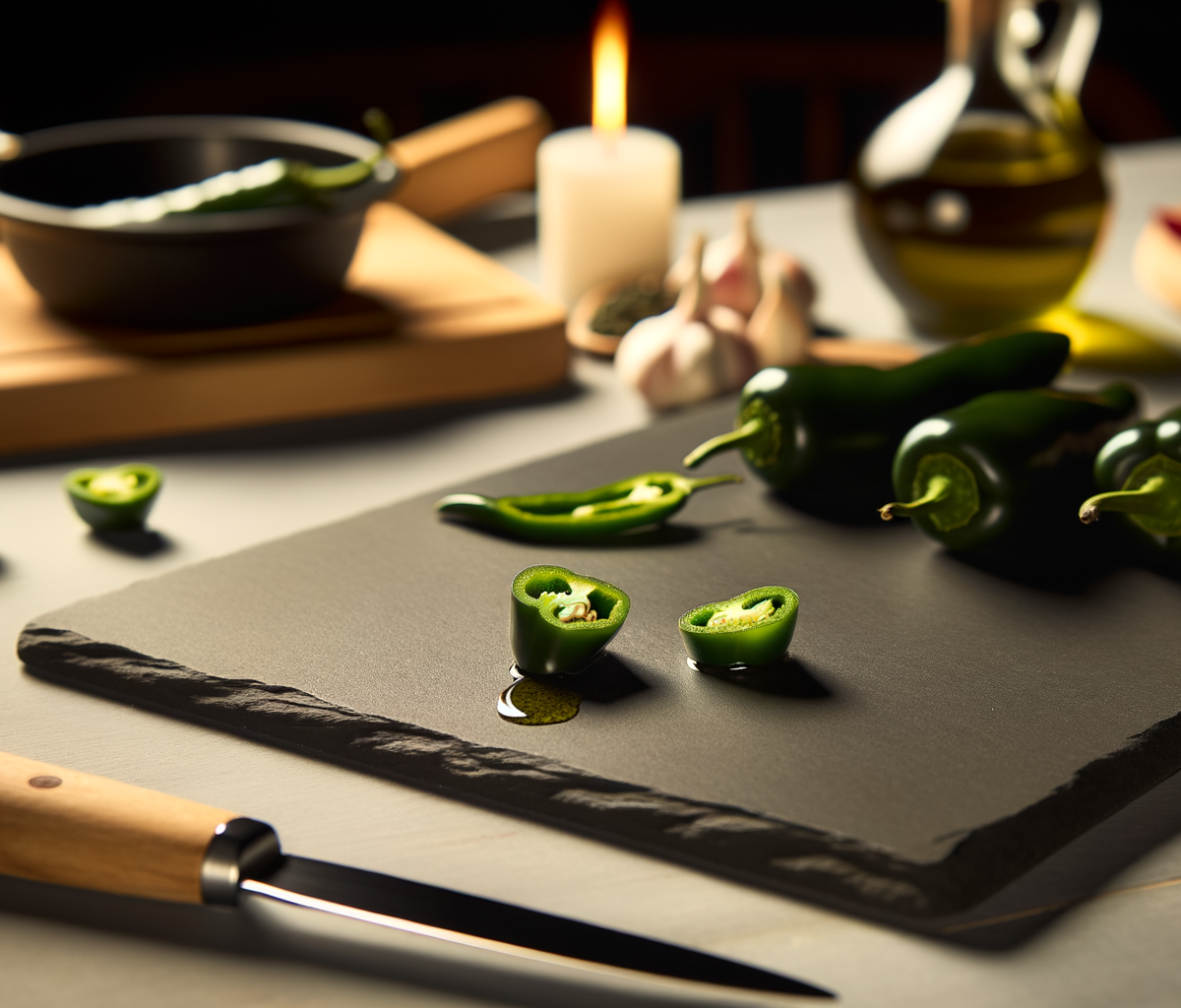
Jalapeño Infused Olive Oil: How to Make and Use It
Jalapeño infused olive oil is a simple kitchen staple that elevates everyday cooking with a subtle, warm heat. By gently warming fresh jalapeño peppers in good olive oil, you extract their capsaicin and bright vegetal flavor into a versatile condiment that works as a finishing oil, a cooking base, or a dipping sauce. One batch lasts for weeks and turns even the simplest dish into something special.
Making infused oil at home is straightforward, but it's important to follow proper food safety practices. Fresh peppers contain moisture, and oil infused with raw ingredients can create conditions for botulism if stored improperly. The heat-infusion method in this recipe eliminates that risk while producing a clean, flavorful oil.
Ingredients
- 2 cups extra virgin olive oil (good quality, but not your most expensive bottle)
- 6–8 fresh jalapeño peppers, sliced into 1/4-inch rings
- 3 cloves garlic, lightly smashed (optional)
- 1 teaspoon whole black peppercorns (optional)
- 1 small sprig of fresh rosemary (optional)
Equipment
- Small to medium saucepan
- Kitchen thermometer
- Fine mesh strainer or cheesecloth
- Clean, dry glass bottle or jar with a tight-fitting lid
Instructions
Step 1: Prepare the Peppers
Wash and dry the jalapeños thoroughly. Moisture is the enemy of infused oils, so make sure the peppers are completely dry before slicing. Cut them into 1/4-inch rings. Leave the seeds in for more heat, or remove them for a milder oil. For a spicier oil, you can include a sliced serrano pepper or a few dried cayenne flakes alongside the jalapeños.
Step 2: Heat the Oil Slowly
Pour the olive oil into the saucepan and add the sliced jalapeños, garlic, peppercorns, and rosemary. Place the pan over low heat and warm the oil to around 180–200°F. Use a kitchen thermometer to monitor the temperature. Do not let the oil exceed 200°F or reach a simmer — overheating will cook the peppers and turn the oil bitter.
Step 3: Infuse
Maintain the gentle heat for 30–45 minutes, stirring occasionally. The jalapeño slices will soften and the oil will take on a light golden-green tint. The longer you infuse, the more heat transfers into the oil. Taste a small amount at the 30-minute mark to gauge the spice level.
Step 4: Strain and Bottle
Remove the pan from heat and let the oil cool for 10 minutes. Strain the oil through a fine mesh strainer or cheesecloth into your clean, dry glass bottle. Discard the solids. Leaving pepper pieces in the oil looks attractive but increases the risk of spoilage, so straining is recommended for safety.
Step 5: Store Properly
Seal the bottle tightly and store in the refrigerator. The oil will keep for up to 2 weeks refrigerated. Because this oil is infused with fresh ingredients, it should not be stored at room temperature for extended periods. If you want a shelf-stable version, use dried peppers instead of fresh, which eliminates the moisture concern.
How to Use Jalapeño Infused Olive Oil
This oil is remarkably versatile. Here are some of the best uses:
- Finishing oil for pizza and pasta: Drizzle over a margherita pizza, toss with aglio e olio, or finish a bowl of soup.
- Bread dipping oil: Pour into a small dish with a sprinkle of flaky salt and crusty bread.
- Salad dressing base: Whisk with vinegar, Dijon mustard, honey, and salt for a spicy vinaigrette.
- Grilling and roasting: Brush onto vegetables, chicken, or fish before cooking.
- Eggs: Fry eggs in the infused oil for an effortless spicy breakfast.
- Popcorn: Drizzle over freshly popped popcorn with salt and nutritional yeast.
- Marinades: Use as the oil component in any marinade for a background note of heat.
Tips for Success
- Use good olive oil. Since the oil is the star, choose one with a flavor you enjoy on its own. A mild, fruity extra virgin olive oil works best. Avoid light or refined olive oil, which lacks character.
- Low and slow wins. Rushing the infusion with higher heat doesn't speed things up meaningfully and risks bitter, burnt flavors. Patience at 180–200°F gives you the cleanest result.
- Customize your heat. The Scoville scale rates jalapeños at 2,500–8,000 SHU. For a hotter oil, add a few slices of habanero or include jalapeño seeds. For milder oil, seed the jalapeños completely and reduce the quantity.
- Dried pepper variation. For a shelf-stable oil that lasts longer, use dried chili flakes or dried whole peppers instead of fresh. Dried peppers lack moisture, so the oil can be stored at room temperature for up to a month.
Safety Notes
Fresh-ingredient infused oils must be refrigerated and used within 2 weeks. The low-acid, anaerobic environment inside oil can support Clostridium botulinum growth if fresh herbs or vegetables are left in the oil at room temperature. Always strain out the solids and keep the oil cold. When in doubt, discard any oil that smells off, looks cloudy, or has been sitting longer than two weeks.
If you enjoy growing your own peppers for projects like this, our harvesting guide covers the best time to pick jalapeños for maximum flavor and heat.
Frequently Asked Questions
Can I use dried jalapeños or chipotle peppers instead?
Yes. Dried peppers work well and produce a shelf-stable oil. Chipotle peppers (which are smoked, dried jalapeños) create a beautiful smoky infused oil. Use about 3–4 dried chipotles per 2 cups of oil.
How spicy will the oil be?
It depends on infusion time and whether you leave the seeds in. At 30 minutes with seeded jalapeños, the oil has a gentle warmth. At 45 minutes with seeds included, it's noticeably spicy. Start mild and adjust next time.
Can I infuse other oils besides olive oil?
Absolutely. Avocado oil, grapeseed oil, and sunflower oil all work well. Each brings a different flavor profile. Avocado oil is great for high-heat cooking, while grapeseed has a neutral taste that lets the pepper flavor shine.
Can I reuse the strained-out pepper slices?
The peppers will have lost most of their heat to the oil, but they still have flavor. Chop them up and stir them into scrambled eggs, rice, or a stir-fry.
More from the Blog
How to Roast Jalapeños: 4 Methods Compared
From oven broiler to air fryer, here are four tried-and-true methods for roasting jalapeños to smoky, blistered perfection — with temps, times, and pros and cons for each.
BlogHow to Reduce Jalapeño Heat Without Losing Flavor
Too much jalapeño burn? These six techniques tame the heat while keeping the pepper flavor you love — from seed removal to acid balancing and smart substitutions.
BlogHow to Make Chipotles at Home: Smoke Your Own Jalapeños
Turn ripe red jalapeños into rich, smoky chipotles at home using a smoker, charcoal grill, or even your oven. Plus, learn how to make your own adobo sauce from scratch.