Chipotle Peppers Are Smoked Jalapeños: The Complete Story
That smoky, rich chipotle pepper on your plate started life as a humble jalapeño. Here's the fascinating process behind how fresh jalapeños become one of the most popular dried chiles in the world.
Chipotle Peppers Are Smoked Jalapeños: The Complete Story
Yes, chipotle peppers are smoked jalapeños. That rich, smoky, slightly sweet pepper you find in adobo sauce, BBQ rubs, and countless Tex-Mex dishes is simply a jalapeño pepper that has been dried and smoked over wood. It's one of the most remarkable transformations in the culinary world — a fresh, bright green pepper becomes something entirely different in flavor, aroma, and appearance.
The process has roots stretching back centuries in Mexico, where smoking was a practical solution to a specific agricultural problem. Understanding that history helps explain why chipotles taste the way they do and why they've become a global pantry staple.
Why Smoke Jalapeños at All?
The answer lies in the jalapeño's thick, fleshy walls. Most chile peppers can be air-dried relatively easily — thin-walled varieties like cayenne and chile de árbol simply lose moisture when hung in a warm, dry environment. Jalapeños, however, have exceptionally thick flesh with high water content. If you try to air-dry a jalapeño, it's more likely to rot than to dehydrate.
Mexican farmers and cooks figured out centuries ago that smoking jalapeños solved this problem. The sustained low heat draws out moisture gradually, while the smoke acts as a natural preservative. The result is a pepper that's shelf-stable, intensely flavored, and completely different from its fresh form.
The Traditional Smoking Process
Authentic chipotle production is a labor-intensive craft that has changed remarkably little over the centuries. Here's how it works:
Selecting the Right Jalapeños
Not just any jalapeño becomes a good chipotle. Producers select fully mature peppers — typically red jalapeños that have been left on the plant well past the green stage. These ripe peppers have higher sugar content and deeper flavor, which translate into the chipotle's characteristic sweetness. If you grow your own jalapeños and want to make chipotles, our harvesting guide explains how to let peppers ripen to the red stage.
The Smoking Chamber
Traditional smoking takes place in a sealed chamber or pit. Peppers are spread on metal racks or grates above a fire pit. The wood of choice is typically pecan or mesquite — hardwoods that produce clean, flavorful smoke without the resinous bitterness of softwoods. Some producers in Mexico also use fruit woods like apple or cherry for a slightly sweeter smoke profile.
Low and Slow
The smoking process takes several days — typically three to five, depending on conditions. The fire is kept low, producing smoke without high direct heat. Workers monitor the chamber and rotate the peppers periodically to ensure even drying. The temperature stays below 200°F (93°C) throughout the process.
A fresh jalapeño loses roughly 80-90% of its weight during smoking. It takes approximately 10 pounds of fresh red jalapeños to produce just 1 pound of finished chipotles. This ratio helps explain why chipotle peppers cost significantly more than fresh jalapeños.
The Finished Product
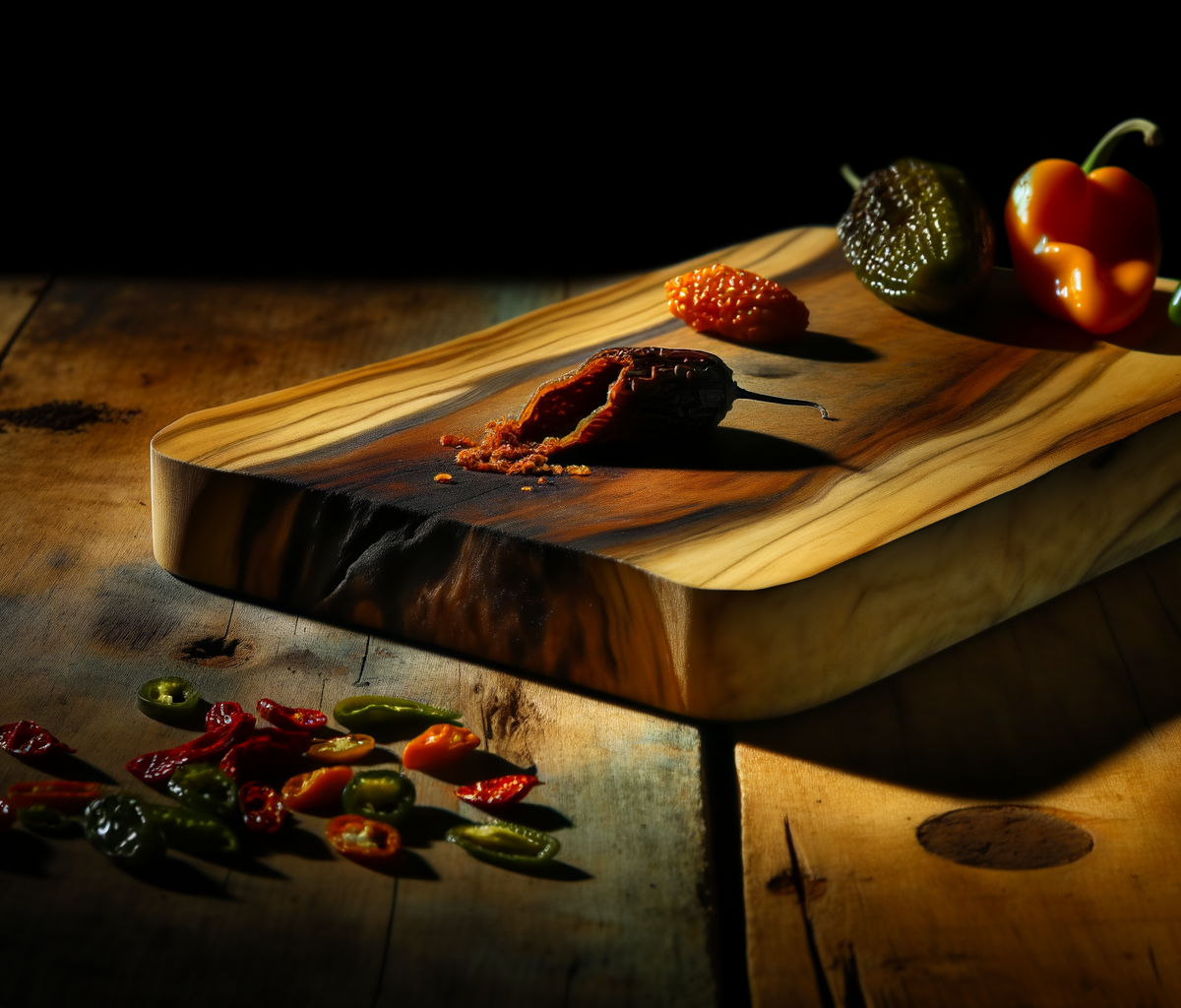
A properly smoked chipotle is wrinkled, dark brown to nearly black, and leathery in texture. It should be pliable rather than brittle. When you hold one up and smell it, the aroma is unmistakable — deep smoke, dried fruit, a hint of tobacco, and an underlying warmth that promises heat.
Types of Chipotle Peppers
Not all chipotles are the same. There are two main varieties:
Chipotle Morita
The morita (meaning "little blackberry") is the more common type found in stores. It's smoked for a shorter period, leaving it softer and slightly more fruity. Moritas are smaller, darker, and have a more concentrated flavor. Most canned chipotle peppers in adobo sauce use the morita variety.
Chipotle Meco
The meco (also called chipotle típico) is smoked for longer, resulting in a larger, tan-gray, stiff pepper. Mecos have a more pronounced smoky flavor and are considered the premium variety in Mexican markets. They're harder to find outside of Mexico but are prized by serious cooks for their depth and complexity.
Chipotles in the Kitchen
The transformation from jalapeño to chipotle doesn't just change texture and appearance — it fundamentally alters the flavor profile:
- Fresh jalapeño: Bright, grassy, sharp heat, vegetal sweetness
- Chipotle: Deep smoke, dried fruit, earthy warmth, lingering heat
Chipotles are incredibly versatile. They're the backbone of our Smoky Chipotle BBQ Sauce, they add depth to stews and chilis, and they can be ground into powder for dry rubs and spice blends. Chipotles in adobo sauce — canned chipotles packed in a tangy tomato-based sauce — are perhaps the most convenient way to use them and can transform a simple pot of beans or a bowl of soup.
On the Scoville Scale, chipotles register between 2,500 and 8,000 SHU — the same range as fresh jalapeños. The smoking process doesn't significantly change the capsaicin content, but the smoky flavor can make the heat feel more complex and less sharp.
Making Chipotles at Home
If you grow your own jalapeños, you can make chipotles at home using a smoker or even a charcoal grill:
- Start with red jalapeños. Let your peppers ripen fully on the plant until they turn red. Our guide on starting from seed can help you plan a crop specifically for chipotle making.
- Set your smoker to 175-200°F. Use hardwood chips — pecan, hickory, or mesquite work well.
- Spread peppers in a single layer. Don't stack them.
- Smoke for 12-24 hours. This is much faster than the traditional method but produces good results. The peppers should be wrinkled and leathery when done.
- Store in an airtight container. Homemade chipotles keep for months in a cool, dark place.
The Global Impact of Chipotle
The word "chipotle" has transcended its origins. Beyond the well-known restaurant chain, chipotle flavoring now appears in everything from potato chips to mayonnaise, hot sauces to cocktail mixers. This global popularity has increased demand for jalapeño production worldwide, as the supply of chipotles is directly tied to the jalapeño harvest.
Frequently Asked Questions
Are all chipotles made from jalapeños?
Yes. By definition, a chipotle pepper is a smoke-dried jalapeño. Other smoked peppers exist (smoked habaneros, smoked serranos) but they are not called chipotles.
Can I use chipotle and jalapeño interchangeably in recipes?
Not directly. They have very different flavor profiles despite being the same pepper. Fresh jalapeños contribute bright, sharp heat, while chipotles add smoky depth. You can use both in the same dish for complexity, but they aren't one-to-one substitutes.
Why are chipotles usually sold in adobo sauce?
The adobo sauce — a blend of tomatoes, vinegar, garlic, and spices — rehydrates the dried chipotles and adds another layer of flavor. It also makes them ready to use immediately without the soaking step required for plain dried chipotles.
How many jalapeños does it take to make one chipotle?
Because of the extreme moisture loss during smoking, it takes roughly 10 pounds of fresh jalapeños to make 1 pound of chipotles. A single chipotle pepper started as a fresh jalapeño that was 5-10 times heavier.
More from the Blog
Why Are Some Jalapeños Hot and Others Not? The Science of Heat
Ever bite into a jalapeño expecting fire and get nothing? The heat of any individual jalapeño depends on genetics, growing conditions, and ripeness. Here's the science behind the variation.
BlogRed vs Green Jalapeños: What's the Difference?
Red and green jalapeños are the same pepper at different stages of ripeness. Here's how they differ in flavor, heat, nutrition, and the best ways to use each one.
BlogScoville Scale Explained: Where Do Jalapeños Rank?
Jalapeños rank between 2,500 and 8,000 SHU on the Scoville scale, placing them in the mild-to-moderate range. Here's what that number actually means and how it compares.