How to Char Jalapeños on a Gas Stove
Char jalapeños directly over a gas stove flame in under 5 minutes for smoky, blistered peppers perfect for salsas, tacos, and sauces.
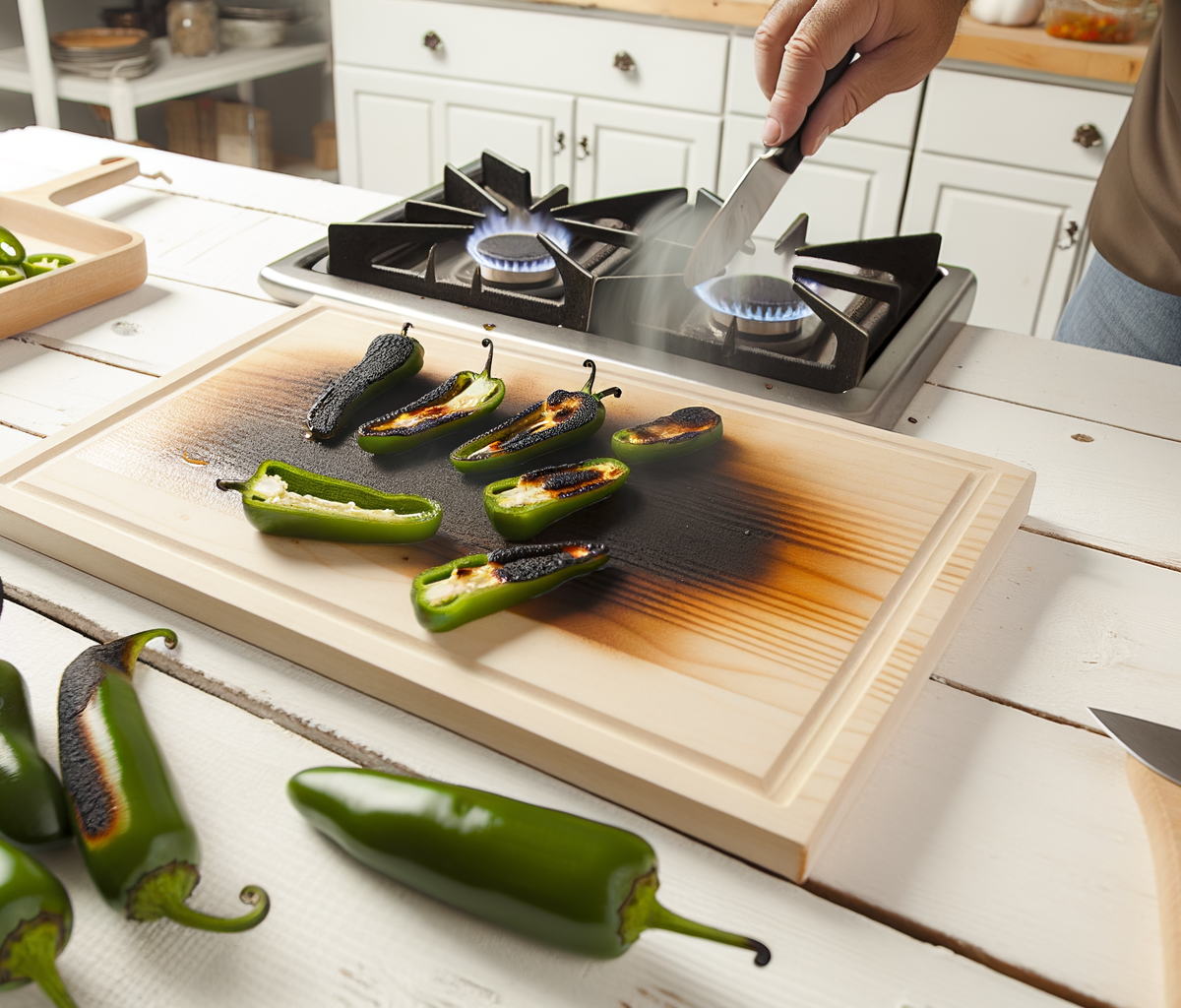
How to Char Jalapeños on a Gas Stove
Charring jalapeños over the open flame of a gas stove is the fastest way to add smoky, roasted flavor to your peppers without heating up an outdoor grill or turning on the broiler. The entire process takes 3 to 5 minutes per pepper, and the results — blistered, blackened skin with tender, smoky flesh underneath — transform a simple jalapeño into something extraordinary.
This technique works because the direct flame reaches temperatures of approximately 3,500°F at the tip of a gas burner's blue cone, instantly charring the pepper skin while the interior steams. The rapid charring creates a complex flavor profile: bitter-sweet char on the outside, concentrated smoky-sweet pepper flavor inside, and a softer texture that melds beautifully into salsas, tacos, and sauces.
What You Need
- A gas stove (natural gas or propane — both work identically)
- Fresh jalapeños — choose firm, smooth-skinned peppers with no soft spots
- Long-handled metal tongs (12-inch tongs are ideal)
- A plate or bowl lined with a damp paper towel
- Optional: a wire cooling rack that fits over your burner grate
Step-by-Step Instructions
Step 1: Prep the Peppers
Wash jalapeños and dry them thoroughly. Moisture on the skin creates steam that interferes with charring. Leave the peppers whole — don't cut, seed, or oil them. The stem stays on as a handle for turning.
Step 2: Set Up Your Burner
Turn one burner to medium-high. You want a steady, visible flame that rises about 1 inch above the burner grate. Too low and the peppers won't char properly. Too high and you'll get uneven blackening with raw spots.
Step 3: Place Peppers on the Flame
Using tongs, place the jalapeño directly on the burner grate, right over the flame. The pepper should sit in or just above the flame tips. You can char 2 to 3 jalapeños at once on a standard burner, depending on size.
Alternatively, set a wire cooling rack over the burner grate for more stable positioning and the ability to char more peppers simultaneously.
Step 4: Turn and Char
Let the pepper sit until the skin facing the flame blisters and blackens — about 1 to 2 minutes per side. Using tongs, rotate the pepper a quarter turn. Repeat until all sides are blistered and charred, 3 to 5 minutes total for most jalapeños.
You're looking for:
- Ideal: 60 to 70% of the skin blackened and blistered, with some green patches remaining
- Too little: Mostly green with just a few char marks
- Too much: Completely black all over, which can taste acrid and bitter
Step 5: Rest and Steam
Transfer charred peppers to a bowl and cover tightly with a plate, plastic wrap, or a damp towel. Let them steam for 5 minutes. This step loosens the charred skin and finishes cooking the interior through residual heat.
Step 6: Peel (Optional)
After steaming, the blackened skin peels away easily. Rub it off gently with your fingers or a paper towel. Don't rinse under water — this washes away flavorful oils and char. Some recipes call for leaving the charred skin on for maximum smoky flavor.
Timing Guide by Pepper Size
| Pepper Size | Total Char Time | Turns Needed |
|---|---|---|
| Small (2–3 inches) | 2–3 minutes | 3 turns |
| Medium (3–4 inches) | 3–4 minutes | 4 turns |
| Large (4–5 inches) | 4–5 minutes | 4–5 turns |
This technique works equally well for other pepper types. Serrano peppers char faster due to their smaller size (2 to 3 minutes total). Poblano peppers need more time (6 to 8 minutes) due to their larger surface area.
Best Uses for Charred Jalapeños
Smoky Salsa
Char 4 to 6 jalapeños alongside a couple of tomatoes (halved) held over the flame with tongs. Combine in a blender with garlic, lime juice, salt, and cilantro for an intensely smoky salsa that tastes like it came off a wood-fired grill.
Taco and Tostada Topping
Slice charred jalapeños into rings or strips and pile them on tacos, tostadas, or tortas. The smoky-sweet flavor pairs especially well with grilled meats and al pastor.
Charred Jalapeño Crema
Blend 3 to 4 charred jalapeños with 1/2 cup sour cream, a squeeze of lime, and a pinch of salt for a smoky crema that elevates everything from tacos to grain bowls. This pairs beautifully with our classic jalapeño green sauce.
Hot Sauce Base
Charred jalapeños make an excellent base for homemade hot sauce. The charring adds depth that raw peppers lack. Blend charred peppers with vinegar, garlic, and salt, then strain for a smooth, smoky sauce. For a fermented approach, see our fermented habanero hot sauce recipe and substitute charred jalapeños.
Pizza Topping
Slice charred jalapeños and scatter them over pizza during the last 2 minutes of baking. The char flavor stands up to bold toppings like sausage, pepperoni, and caramelized onions.
Safety Considerations
Charring peppers over an open flame is safe but requires common sense:
- Ventilation: Turn on your range hood or open a window. Charring peppers produces smoke, and capsaicin in the smoke can irritate your eyes and throat
- Flare-ups: Jalapeño oils can drip and briefly flare in the flame. This is normal and not dangerous, but keep loose sleeves away from the burner
- Tong length: Use 12-inch tongs to keep your hand away from the flame. Short tongs put your fingers too close to the fire
- Never leave unattended: Stay at the stove throughout the charring process. A pepper left too long on one side goes from perfectly charred to on fire in seconds
Troubleshooting Common Issues
Pepper catches fire: Don't panic. Turn off the burner and cover the pepper with a metal pot lid to smother the flame. Let it cool before handling.
Skin won't blister: Your flame is too low. Increase the burner to medium-high or high. The pepper needs to be in direct contact with or within 1 inch of the flame.
Char is patchy and uneven: Turn the pepper more frequently, every 30 to 45 seconds instead of every 1 to 2 minutes. Jalapeños aren't perfectly round, so some spots need extra attention.
Interior is still raw after charring: The pepper spent too much time on each side at too low a heat. Higher flame with more frequent turning ensures the exterior chars before the interior overcooks — or conversely, that enough accumulated heat cooks the interior through. The 5-minute steam rest after charring finishes the cooking.
Frequently Asked Questions
Can I char jalapeños on an electric stove?
Not with the same results. Electric coils and glass-top stoves don't produce an open flame for direct charring. Your best alternatives are a broiler (set to high, peppers 2 to 3 inches from the element, 3 to 4 minutes per side) or a kitchen torch. A cast iron skillet over high heat produces blistering but not true charring.
Does charring reduce the heat level of jalapeños?
Yes, slightly. High heat degrades some capsaicin molecules, and the charring process concentrates natural sugars that balance the remaining heat with sweetness. Most people find charred jalapeños about 20 to 30 percent milder than raw ones.
How many jalapeños can I char at once?
On a single standard burner, 2 to 3 medium jalapeños comfortably. If you have multiple burners, use 2 or 3 simultaneously for larger batches. For more than 10 peppers, the broiler method is more efficient.
Can I char jalapeños ahead of time?
Yes. Charred jalapeños keep in an airtight container in the refrigerator for up to 5 days. They also freeze well for 3 to 4 months. Thawed charred peppers are softer but retain their smoky flavor perfectly for salsas and sauces.
More from the Blog
How to Roast Jalapeños: 4 Methods Compared
From oven broiler to air fryer, here are four tried-and-true methods for roasting jalapeños to smoky, blistered perfection — with temps, times, and pros and cons for each.
BlogHow to Reduce Jalapeño Heat Without Losing Flavor
Too much jalapeño burn? These six techniques tame the heat while keeping the pepper flavor you love — from seed removal to acid balancing and smart substitutions.
BlogHow to Make Chipotles at Home: Smoke Your Own Jalapeños
Turn ripe red jalapeños into rich, smoky chipotles at home using a smoker, charcoal grill, or even your oven. Plus, learn how to make your own adobo sauce from scratch.