How to Grow Jalapeños Indoors: Complete Apartment Guide
Everything you need to know about growing jalapeño peppers indoors, from choosing the right containers and soil to hand-pollination and harvesting in your apartment.
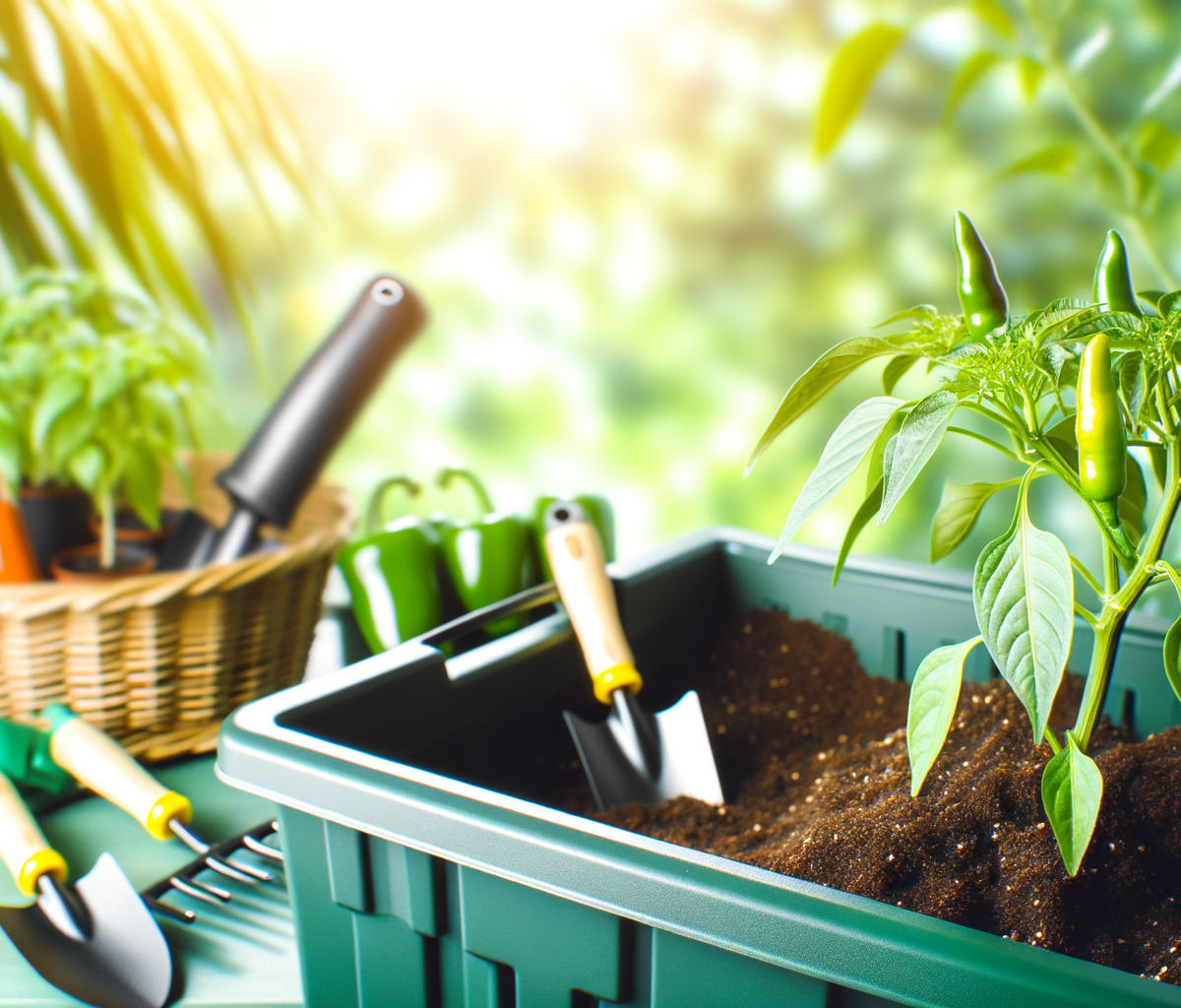
How to Grow Jalapeños Indoors: Complete Apartment Guide
You don't need a backyard to grow fresh, spicy jalapeños. With the right setup, apartment dwellers can grow productive jalapeño plants on a sunny windowsill or under grow lights year-round. Indoor jalapeño plants typically produce 15-25 peppers per plant and can keep producing for multiple seasons if cared for properly.
The keys to success are providing at least 6-8 hours of direct light daily, using well-draining containers, and maintaining consistent warmth between 70-85°F (21-29°C). Let's walk through everything you need to get started.
Choosing the Right Container
Container selection is one of the most important decisions you'll make. For a single jalapeño plant, choose a pot that is at least 5 gallons (roughly 12 inches in diameter and 12 inches deep). While jalapeños can technically survive in smaller pots, larger containers provide more root space, better moisture retention, and ultimately bigger yields.
Container Must-Haves
- Drainage holes: Non-negotiable. Without drainage, roots will sit in water and develop root rot.
- Saucers: Place a saucer underneath to protect your floors, but empty it 30 minutes after watering so the plant isn't sitting in standing water.
- Material: Fabric grow bags (5-7 gallon) are excellent for indoors because they air-prune roots and are lightweight. Ceramic and plastic pots work well too.
If you're new to growing peppers in pots, our full container growing guide covers pot sizes, materials, and setup in greater detail.
Light Requirements
Light is the number one challenge for indoor pepper growers. Jalapeños need a minimum of 6 hours of direct sunlight per day, but 8-12 hours is ideal for strong growth and good fruit production.
Using Natural Light
A south-facing window is your best bet in the Northern Hemisphere. East- or west-facing windows can work but may not provide enough intensity during shorter winter days. Place your plant as close to the glass as possible without letting leaves touch cold windowpanes.
Using Grow Lights
If you don't have a sunny window, invest in a full-spectrum LED grow light. Position it 12-18 inches above the plant canopy and run it for 14-16 hours per day. Many affordable clip-on or hanging LED panels designed for small spaces cost between $25-$60 and are more than sufficient for 1-3 plants.
Soil and Potting Mix
Do not use garden soil indoors. It compacts easily, drains poorly, and can introduce pests. Instead, use a high-quality potting mix designed for containers. A good indoor jalapeño mix includes:
- 60% peat-based or coco coir potting mix
- 20% perlite (for drainage and aeration)
- 20% compost or worm castings (for nutrients)
Aim for a slightly acidic to neutral pH of 6.0-6.8. For more on getting your soil right, check out our soil, water, and sunlight guide.
Starting Seeds vs. Transplants
If you're starting from seed indoors, plant seeds 1/4 inch deep in a seed-starting mix. Keep the soil temperature between 80-85°F (27-29°C) using a seedling heat mat for the fastest germination, which typically takes 7-14 days. Once seedlings have 2-3 sets of true leaves, transplant them into their final 5-gallon containers.
Buying a starter plant from a nursery is faster and perfectly fine. Just check for healthy green foliage and no signs of pests before bringing it into your apartment.
Watering Indoors
Indoor plants lose less water to wind and sun exposure than outdoor plants, so you'll water less frequently. Stick your finger 1-2 inches into the soil. If it's dry, water thoroughly until water runs out the drainage holes. If it's still moist, wait another day.
Overwatering is the most common mistake indoor growers make. Soggy soil leads to root rot, yellowing leaves, and wilting. In most apartments, watering every 3-5 days is about right, but always check the soil rather than following a rigid schedule.
Indoor Pollination
Outdoors, wind and insects handle pollination. Indoors, you need to help. The easiest method is gently shaking or tapping the main stem once daily when flowers are open. You can also set a small oscillating fan nearby, or use a paintbrush to transfer pollen between flowers manually. If your plant flowers but doesn't set fruit, poor pollination is almost always the cause.
Fertilizing Indoor Jalapeños
Indoor plants rely entirely on you for nutrition since they can't access ground nutrients. Begin feeding 2-3 weeks after transplanting with a balanced liquid fertilizer (such as 5-5-5) diluted to half strength. Once flowering begins, switch to a formula higher in phosphorus and potassium (like 5-10-10) to support fruit development. Feed every 1-2 weeks during the growing season. Our fertilizer guide breaks down NPK ratios and schedules in detail.
Temperature and Humidity
Jalapeños prefer 70-85°F (21-29°C) during the day and no lower than 60°F (16°C) at night. Most apartments stay in this range naturally. Aim for 40-60% humidity. In dry winter apartments, place a humidity tray beneath the plant or mist leaves a few times per week.
Common Indoor Growing Mistakes
- Pot too small: Undersized pots restrict root growth and limit yields. Go for at least 5 gallons.
- Not enough light: Leggy, stretching plants with few flowers indicate insufficient light. Add a grow light.
- Overwatering: More indoor peppers die from too much water than too little. Always check soil moisture first.
- Skipping pollination: No pollination means no peppers, even if the plant is flowering beautifully.
- Cold drafts: Keep plants away from drafty windows, AC vents, and exterior doors during winter.
Harvesting Your Indoor Jalapeños
Indoor jalapeños take roughly 70-80 days from transplant to harvest. Pick them when they are 3-4 inches long and have a firm, glossy skin. You can harvest them green for a bright, grassy heat or wait for them to turn red for a sweeter, slightly hotter flavor. For the complete rundown on harvest timing and technique, see our harvesting guide.
Frequently Asked Questions
How many jalapeño plants can I grow in an apartment?
Most apartments can comfortably support 2-4 plants. Each plant needs a 5-gallon container and a footprint of about 2 square feet. The limiting factor is usually light, so prioritize giving each plant sufficient exposure over cramming in more plants.
Can jalapeños grow indoors year-round?
Yes. With grow lights and consistent temperatures, jalapeños can produce year-round. Plants may slow during shorter daylight months, but supplemental lighting keeps them productive. Many indoor growers keep plants going for 2-3 years.
Do indoor jalapeños taste different from outdoor ones?
Indoor jalapeños taste just as good, though they may be slightly milder in some cases. Heat level is influenced by mild stress factors like temperature swings and dry periods, which are less pronounced indoors. You can gently stress the plant by letting the soil dry out a bit more between waterings to encourage more capsaicin production.
What grow light wattage do I need for jalapeños?
For 1-2 plants, a 100-150 watt full-spectrum LED panel is sufficient. Position it 12-18 inches above the canopy and adjust as the plant grows. Look for lights with a color temperature of 5000-6500K for vegetative growth or full-spectrum boards that cover both growth stages.
More from the Blog
Why Are My Jalapeño Leaves Turning Yellow? 7 Causes & Fixes
Yellowing jalapeño leaves are usually caused by overwatering, nutrient deficiencies, or pest damage. Here are 7 common causes and exactly how to fix each one.
BlogWhen to Pick Jalapeños: The Perfect Harvest Timing Guide
Learn exactly when to pick jalapeños for the best flavor and heat. Covers visual cues like size, color, and corking to help you harvest at the perfect time.
BlogHow to Grow Jalapeños from Store-Bought Peppers
Can you grow jalapeños from grocery store peppers? Yes, but there are some important caveats. Learn how to extract, dry, and germinate seeds from store-bought jalapeños.