When to Pick Jalapeños: The Perfect Harvest Timing Guide
Learn exactly when to pick jalapeños for the best flavor and heat. Covers visual cues like size, color, and corking to help you harvest at the perfect time.
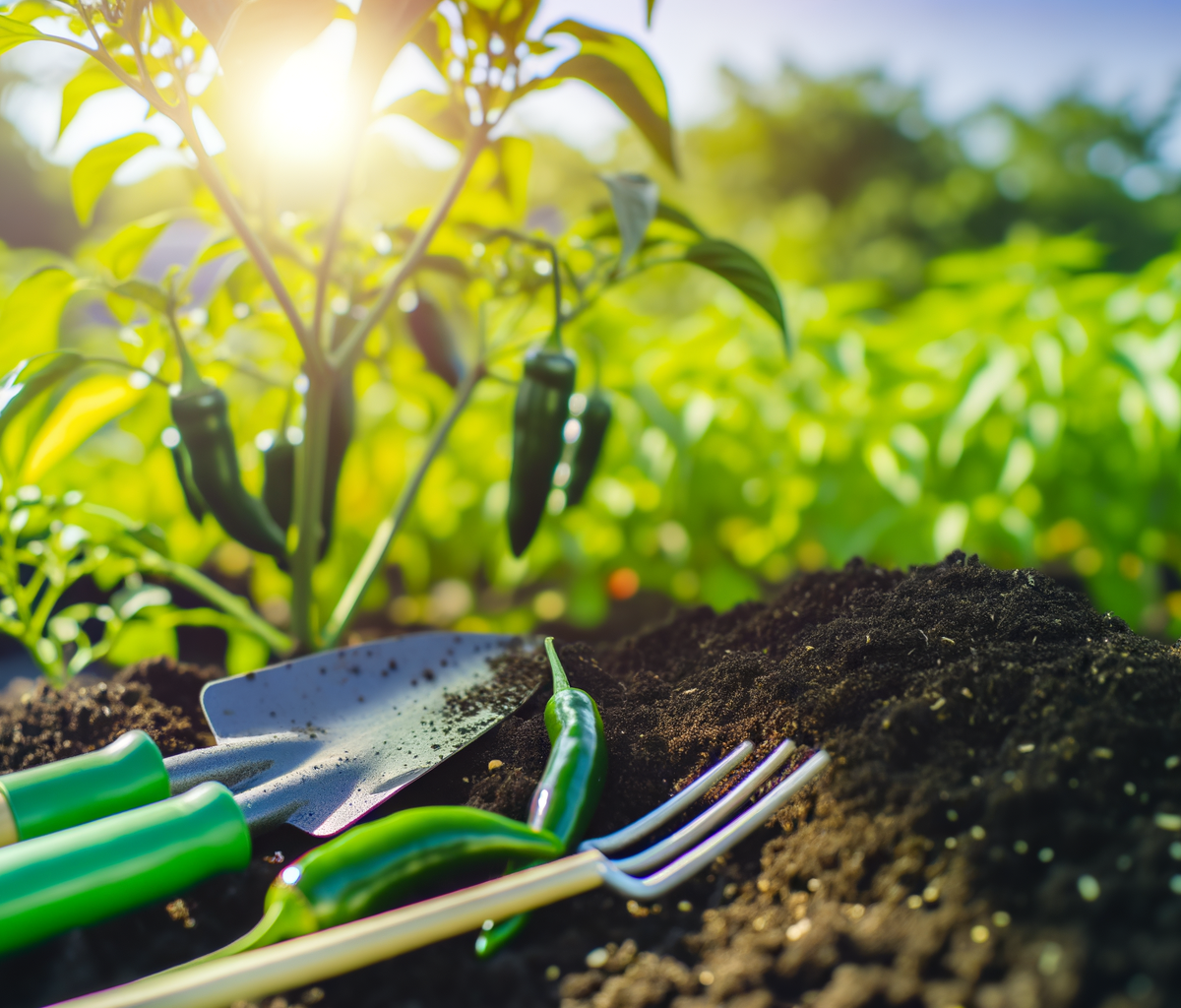
When to Pick Jalapeños: The Perfect Harvest Timing Guide
Jalapeños are ready to pick when they are 3-4 inches long, firm to the touch, and have a deep, glossy green color. Most jalapeño varieties reach this stage 70-80 days after transplanting. You can also leave them on the plant longer until they turn red for a sweeter, fruitier heat. There is no single "perfect" moment because the best time to pick depends on the flavor and heat level you want.
The Visual Cues That Tell You It's Time
Learning to read your jalapeño plant is the most reliable way to know when to harvest. Here are the key indicators:
Size
A mature jalapeño is typically 3-4 inches (7-10 cm) long and about 1-1.5 inches wide. Some varieties like Jalapeño M or Mucho Nacho can reach 4-5 inches. If your peppers have stopped growing in size for several days and match these dimensions, they're ready.
Skin Appearance
Ripe jalapeños have a smooth, shiny skin with a slight waxy sheen. If the skin appears dull or matte, the pepper may not be fully mature yet. A glossy surface is your green light.
Firmness
Gently squeeze the pepper. A ripe jalapeño feels firm and solid. If it feels soft or spongy, it may be overripe or starting to rot. If it's very hard and small, it needs more time.
Corking (White Lines)
Corking refers to the small white or tan stretch-mark-like lines that appear on the skin of maturing jalapeños. These lines occur when the pepper grows faster than its skin can expand. Corking is a great sign: it indicates a fully mature pepper that is often hotter than smooth-skinned ones. Many experienced growers specifically wait for corking before picking.
Color
- Green: The standard harvest color. Bright, grassy flavor with medium heat (2,500-5,000 SHU).
- Dark green to black-green: Transitional stage. Slightly deeper flavor, heat begins to increase.
- Red: Fully ripe. Sweeter, fruitier flavor with more complexity and slightly more heat (up to 8,000 SHU). Takes an additional 1-3 weeks on the plant past the green stage.
Green vs. Red: Which Should You Pick?
This is purely a matter of preference, and both are completely ripe and safe to eat.
Pick Green When You Want:
- Classic jalapeño flavor (bright, sharp, vegetal heat)
- Peppers for pickling, nachos, or fresh salsa
- Faster turnaround so the plant can produce more peppers
- Ingredients for a traditional jalapeño green sauce
Pick Red When You Want:
- Sweeter, deeper, more complex flavor
- Slightly more heat and capsaicin
- Peppers for drying, smoking into chipotles, or hot sauce
- A richer color in dishes and sauces like chipotle BBQ sauce
Keep in mind that leaving peppers on the plant until red slows overall production. The plant puts energy into ripening existing fruit rather than producing new ones. A good strategy is to harvest most peppers green and let a few ripen to red for variety.
How to Pick Jalapeños Properly
Never yank or twist peppers off the plant. This can damage the branch, tear the stem, and leave the plant vulnerable to disease.
The Right Way to Harvest
- Use clean, sharp scissors, pruning shears, or a knife.
- Cut the stem about 1/4 to 1/2 inch above the top of the pepper.
- Leave a small stub of stem attached to the pepper. This helps it store longer.
- Support the branch with one hand while you cut with the other to avoid snapping it.
Harvest in the morning after dew has dried for the crispest peppers with the best moisture content.
Wear Gloves
This is optional for a few peppers but highly recommended if you're doing a big harvest. Capsaicin oil from jalapeños can linger on your skin for hours and cause a burning sensation if you touch your eyes, nose, or mouth. Disposable nitrile gloves work perfectly.
Harvest Timeline by Growth Stage
Here's a rough timeline for a typical jalapeño plant started from transplant:
| Stage | Weeks After Transplant | What to Expect |
|---|---|---|
| Flowering | 4-6 weeks | Small white flowers appear |
| Fruit set | 5-7 weeks | Tiny green peppers form |
| Immature fruit | 7-9 weeks | Peppers growing, still small and pale |
| Green mature | 10-12 weeks | Full size, glossy, firm, ready to pick |
| Turning | 12-14 weeks | Color shifts from green toward red |
| Red ripe | 13-16 weeks | Fully red, sweetest flavor |
These timelines vary based on temperature, sunlight, variety, and growing conditions. Warmer climates and more sun generally speed things up.
How Often Should You Harvest?
Check your plants every 2-3 days during peak production. Regular harvesting is one of the best things you can do for your plant. When you pick mature peppers, the plant redirects energy toward producing new flowers and fruit, boosting your overall yield. A single healthy jalapeño plant can produce 25-35 peppers per season with regular harvesting.
For a comprehensive guide on harvest techniques, post-harvest handling, and storage, see our full harvesting guide.
Signs You've Waited Too Long
While jalapeños are forgiving, leaving them on the plant well past maturity can cause issues:
- Soft, wrinkled skin: The pepper is past its prime and may be mealy inside.
- Mushy spots or mold: Rot has set in. Remove and discard these peppers immediately to protect the rest of the plant.
- Seeds turning brown: The pepper is overmature. Still edible but texture and flavor decline.
- Cracks or splits: Sometimes caused by heavy rain after a dry spell. Harvest cracked peppers immediately and use them right away as they won't store well.
Frequently Asked Questions
Can I eat jalapeños before they're fully grown?
Yes. Small, immature jalapeños are safe to eat. They'll be milder and have a more bitter, grassy flavor compared to fully mature ones. There's no harm in picking early, though the flavor improves significantly once the pepper reaches full size.
Are red jalapeños hotter than green ones?
Generally, yes, but the difference is modest. Red jalapeños have had more time to develop capsaicin. Green jalapeños typically range from 2,500-5,000 SHU, while red ones can reach 5,000-8,000 SHU. The flavor difference (sweeter and fruitier) is actually more noticeable than the heat difference.
Why are my jalapeños so small?
Small peppers are usually caused by insufficient sunlight (less than 6 hours direct sun), underwatering during fruit development, lack of nutrients (especially phosphorus and potassium), or overcrowding. Ensure your plants are well-fed, well-watered, and getting plenty of sun.
Should I pick all the peppers before the first frost?
Absolutely. Jalapeños cannot survive frost. If temperatures are forecast to drop below 35°F (2°C), harvest every pepper on the plant regardless of size or color. Immature peppers can still be used in cooking or allowed to ripen indoors on a sunny windowsill.
More from the Blog
How to Grow Jalapeños Indoors: Complete Apartment Guide
Everything you need to know about growing jalapeño peppers indoors, from choosing the right containers and soil to hand-pollination and harvesting in your apartment.
BlogWhy Are My Jalapeño Leaves Turning Yellow? 7 Causes & Fixes
Yellowing jalapeño leaves are usually caused by overwatering, nutrient deficiencies, or pest damage. Here are 7 common causes and exactly how to fix each one.
BlogHow to Grow Jalapeños from Store-Bought Peppers
Can you grow jalapeños from grocery store peppers? Yes, but there are some important caveats. Learn how to extract, dry, and germinate seeds from store-bought jalapeños.