Jalapeño vs Chile Pepper: Understanding the Capsicum Family
Is a jalapeño the same thing as a chile pepper? Technically, all jalapeños are chile peppers, but not all chile peppers are jalapeños. Here's how the Capsicum family tree works.
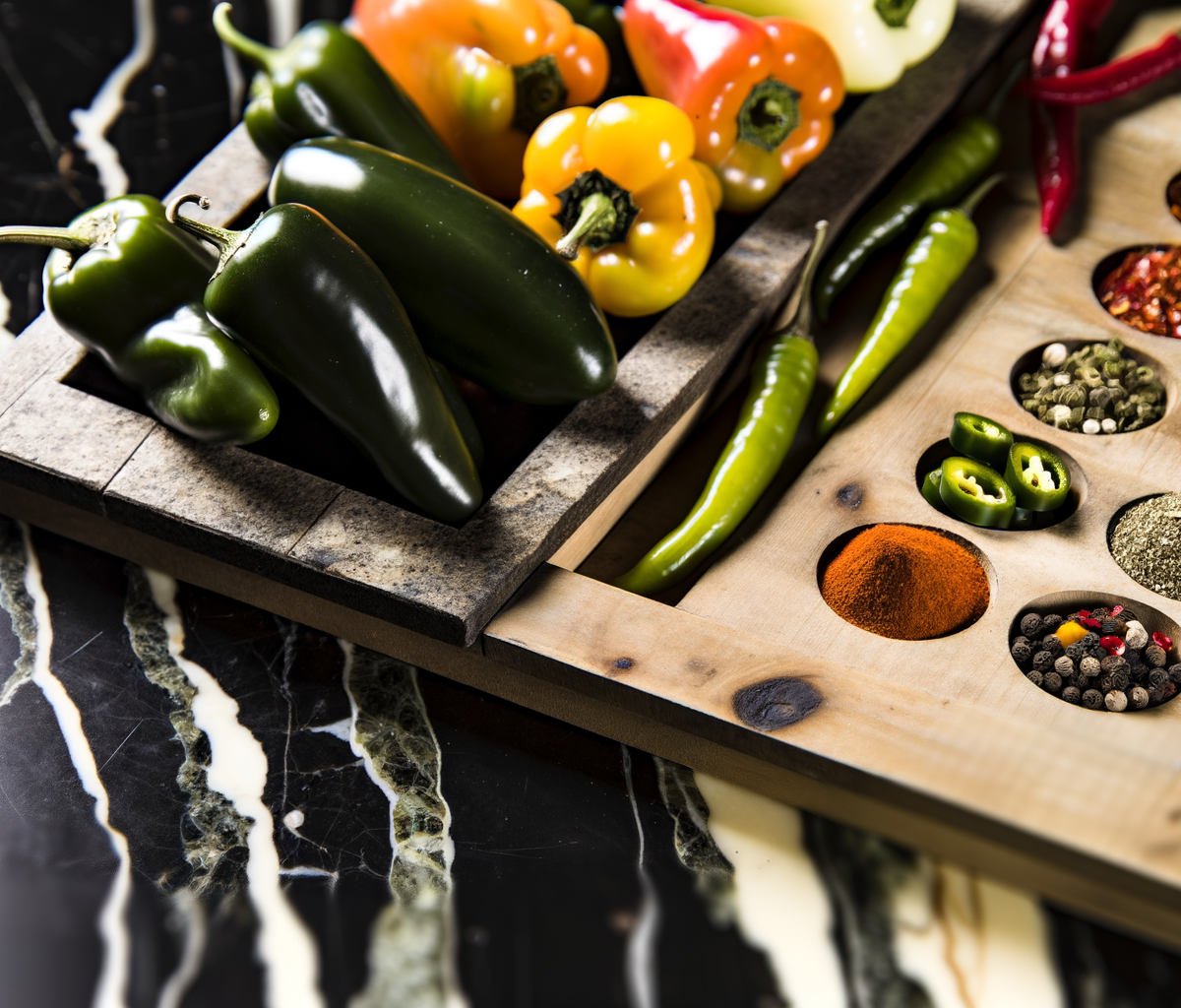
Jalapeño vs Chile Pepper: Understanding the Capsicum Family
If you've ever been confused about the difference between a jalapeño and a chile pepper, you're not alone. The short answer is that a jalapeño is a specific type of chile pepper — much like how a Golden Retriever is a specific breed of dog. All jalapeños are chile peppers, but the term "chile pepper" encompasses hundreds of varieties ranging from sweet bell peppers to blistering superhots.
Understanding where jalapeños fit in the broader Capsicum family helps you navigate the pepper aisle, choose the right pepper for your recipes, and appreciate the remarkable diversity of these plants.
The Capsicum Family Explained
All chile peppers belong to the genus Capsicum, which is part of the nightshade family (Solanaceae) — the same family that includes tomatoes, eggplants, and potatoes. Within Capsicum, there are roughly 35 recognized species, but only five are commonly cultivated for food:
Capsicum annuum
This is the big one. Capsicum annuum includes the vast majority of peppers you'll encounter at the grocery store, and yes, the jalapeño is a member. Other annuum varieties include:
- Bell peppers — 0 SHU (no heat)
- Poblano peppers — 1,000-2,000 SHU
- Anaheim peppers — 500-2,500 SHU
- Jalapeño peppers — 2,500-8,000 SHU
- Serrano peppers — 10,000-25,000 SHU
- Cayenne peppers — 30,000-50,000 SHU
- Thai chili peppers — 50,000-100,000 SHU
Despite the name "annuum" (meaning annual), these plants are actually perennials in warm climates and can live for several years.
Capsicum chinense
This species contains the superhot peppers. Despite the name suggesting Chinese origin, these peppers come from the Americas. Notable members include:
- Habanero peppers — 100,000-350,000 SHU
- Ghost peppers — 855,000-1,041,427 SHU
- Carolina Reaper — 1,400,000-2,200,000 SHU
Capsicum frutescens
This species includes Tabasco peppers and malagueta peppers. These tend to be small, potent, and commonly used in hot sauces.
Capsicum baccatum
Native to South America, this species includes aji peppers like Aji Amarillo and Aji Limo, which are staples in Peruvian and Bolivian cuisine.
Capsicum pubescens
The rocoto and manzano peppers belong here. Distinguished by their black seeds and thick flesh, these peppers grow well at higher altitudes and cooler temperatures.
What Makes a Jalapeño a Jalapeño?
Within Capsicum annuum, the jalapeño has specific characteristics that distinguish it from other varieties:
- Size: 2-4 inches long, roughly 1 inch wide
- Shape: Elongated with a rounded tip
- Walls: Thick, fleshy walls (which is why they can't be air-dried and are instead smoked to make chipotle peppers)
- Heat range: 2,500-8,000 SHU on the Scoville Scale
- Flavor profile: Bright, grassy, slightly sweet with moderate heat
- Ripening: Green when unripe, red when fully mature
These traits are genetically stable — a jalapeño seed will produce a jalapeño plant with jalapeño characteristics. That said, individual peppers can vary in heat and size due to growing conditions, soil, water, and climate.
Why the Terminology Gets Confusing
Several factors contribute to the confusion between "jalapeño" and "chile pepper":
Regional Language
In many parts of Mexico and the American Southwest, "chile" or "chile pepper" is used generically for any hot pepper. In some contexts, people say "chile" when they specifically mean a particular local variety. In New Mexico, "chile" almost always refers to the Hatch chile (a type of Anaheim pepper). In Texas, "chile" might default to jalapeño.
Fresh vs Dried Names
Mexican cuisine has a tradition of giving different names to the same pepper depending on its form. A fresh jalapeño is a "jalapeño," but when smoke-dried, it becomes a "chipotle." A fresh poblano becomes an "ancho" when dried. This naming convention doesn't exist in most other food traditions and can be confusing for newcomers.
The "Pepper" Problem
The word "pepper" itself is a historical misnomer. When Columbus encountered chiles in the Caribbean, he called them "peppers" because their spiciness reminded him of black pepper (Piper nigrum), a completely unrelated plant. The name stuck, but chiles and black pepper share no botanical connection.
Choosing the Right Pepper for Your Needs
Understanding the Capsicum family helps you make better choices in the kitchen:
| Need | Good Choice | Why |
|---|---|---|
| Mild flavor, no heat | Bell pepper | 0 SHU, sweet and versatile |
| Mild heat, great for stuffing | Poblano | Thick walls, gentle warmth |
| Medium heat, everyday cooking | Jalapeño | Balanced flavor and heat |
| More heat, similar shape | Serrano | Hotter, thinner walls |
| Serious heat, fruity flavor | Habanero | Intense but flavorful |
| Extreme heat, challenge food | Ghost pepper | Not for the faint of heart |
For most everyday cooking, the jalapeño hits a sweet spot of flavor, heat, and availability that's hard to beat. If a recipe simply calls for "chile peppers" without specifying, jalapeño is almost always a safe default.
Growing Different Capsicum Species
If you're interested in growing peppers at home, it's worth noting that different species have different growing requirements. Jalapeños and other annuum varieties are the easiest for beginners — they germinate reliably, tolerate a range of conditions, and produce generously. Our starting from seed guide covers the basics. Superhot chinense varieties like habaneros and ghost peppers need longer growing seasons and more consistent heat.
Frequently Asked Questions
Is a jalapeño a chile pepper or a chili pepper?
Both spellings refer to the same thing. "Chile" is the traditional Spanish spelling, while "chili" is the anglicized version. "Chilli" (with double L) is common in British English. A jalapeño is, regardless of spelling, a type of chile/chili pepper.
Are jalapeños related to bell peppers?
Yes — closely. Both are members of Capsicum annuum. Bell peppers are simply a variety that has been bred to produce no capsaicin, resulting in zero heat. Genetically, they're quite similar.
What pepper is closest to a jalapeño in heat?
The serrano pepper is the jalapeño's closest relative in terms of common usage, though it's roughly 2-5 times hotter. For something milder, the Anaheim or poblano are good steps down.
Why do some jalapeños taste hotter than others?
Heat varies due to growing conditions — water stress, temperature, sunlight, and soil nutrients all affect capsaicin production. Even two peppers from the same plant can differ in heat level. Peppers that are more mature (showing corking or turning red) tend to be hotter.
More from the Blog
Why Are Some Jalapeños Hot and Others Not? The Science of Heat
Ever bite into a jalapeño expecting fire and get nothing? The heat of any individual jalapeño depends on genetics, growing conditions, and ripeness. Here's the science behind the variation.
BlogRed vs Green Jalapeños: What's the Difference?
Red and green jalapeños are the same pepper at different stages of ripeness. Here's how they differ in flavor, heat, nutrition, and the best ways to use each one.
BlogScoville Scale Explained: Where Do Jalapeños Rank?
Jalapeños rank between 2,500 and 8,000 SHU on the Scoville scale, placing them in the mild-to-moderate range. Here's what that number actually means and how it compares.