Jalapeño vs Fresno Pepper: Which Is Better?
Jalapeños and Fresno peppers are close in heat but differ in flavor, color, and best uses. Learn how to tell them apart and when to reach for each one.
Jalapeño vs Fresno Pepper: Which Is Better?
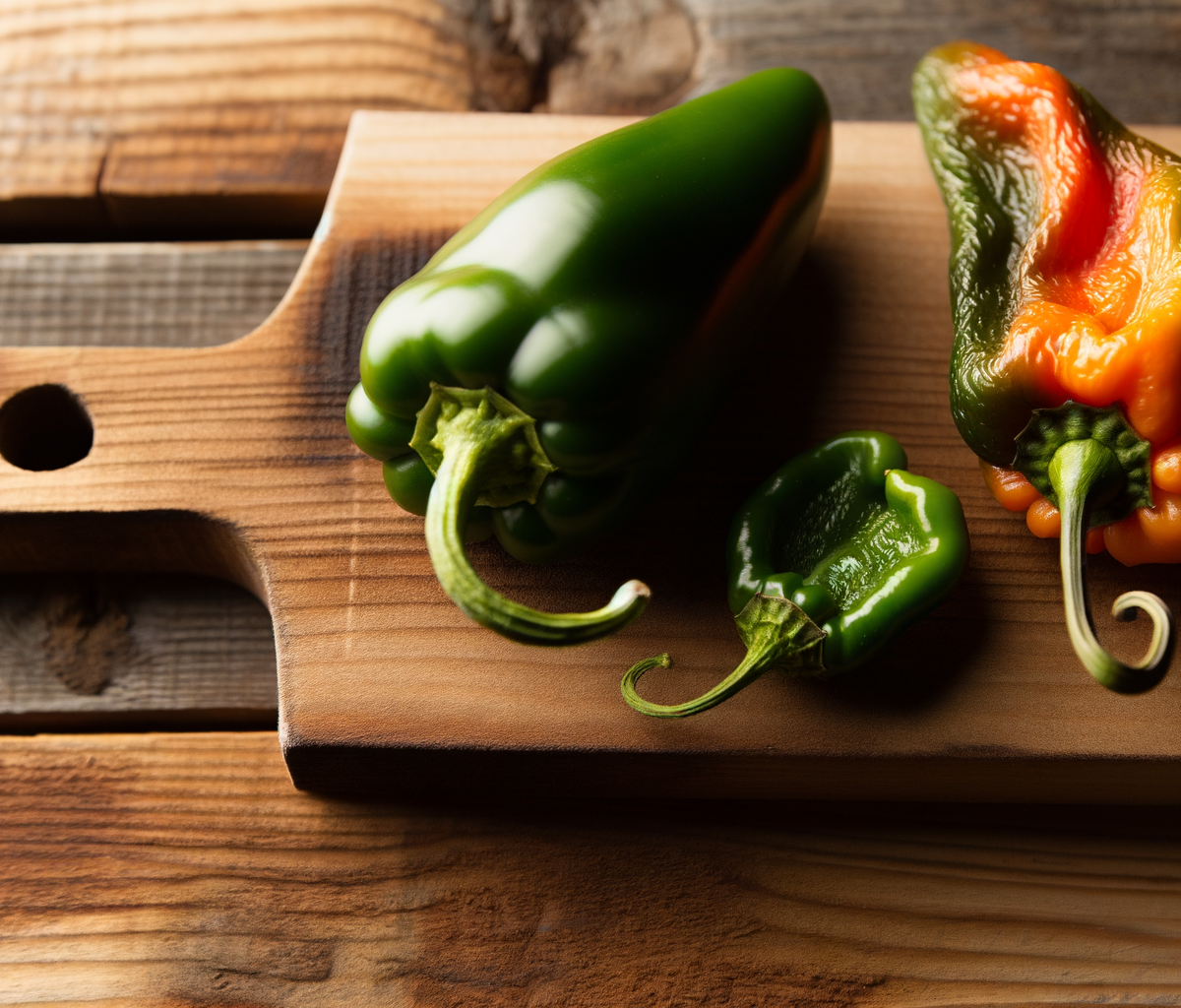
The jalapeño and Fresno pepper are close cousins that often get confused for each other, especially since red Fresno peppers look almost identical to ripe red jalapeños. Both sit in a similar heat range — jalapeños at 2,500–8,000 SHU and Fresnos at 2,500–10,000 SHU — but their flavor profiles and best uses are meaningfully different. If you've been treating them as interchangeable, you've been missing out.
Quick Comparison
| Feature | Jalapeño | Fresno Pepper |
|---|---|---|
| Scoville Heat Units | 2,500–8,000 SHU | 2,500–10,000 SHU |
| Heat Level | Medium | Medium |
| Flavor | Grassy, bright, vegetal | Fruity, smoky, slightly sweet |
| Size | 2–3.5 inches | 2–3 inches |
| Wall Thickness | Thick | Medium-thin |
| Common Color | Green (red when ripe) | Red (green when immature) |
| Common Uses | Salsas, poppers, pickling | Salsas, hot sauces, ceviche, garnish |
Heat & Scoville Comparison
These two peppers overlap significantly on the Scoville scale. Jalapeños range from 2,500 to 8,000 SHU, while Fresno peppers range from 2,500 to 10,000 SHU. In practice, the average Fresno is slightly hotter than the average jalapeño, but the difference is subtle enough that most people won't notice in a finished dish.
The character of the heat differs slightly. Jalapeño heat tends to build gradually and concentrate on the tongue. Fresno heat hits a bit quicker and feels slightly more spread across the mouth. Both are solidly in the "medium heat" category — noticeable and enjoyable without being punishing.
Flavor Profile
This is where the real difference lies. Jalapeños — particularly the green ones most people buy — have a bright, grassy, vegetal flavor. They taste green and fresh, with a clean sharpness that's versatile in the kitchen.
Fresno peppers are fruitier, smokier, and more complex. Since they're almost always sold red (at full maturity), they've had time to develop sweetness and depth that green jalapeños lack. Think of the flavor difference between a green bell pepper and a red one — that same maturation-driven sweetness applies here. Fresnos have subtle notes of smokiness and berry-like fruitiness that make them exceptional in raw applications where their flavor can shine.
It's worth noting that red (ripe) jalapeños develop some of that same sweetness, which is partly why the two get confused. But even comparing red jalapeños to Fresnos, the Fresno has thinner walls and a more concentrated fruity flavor.
Best Uses in Cooking
Jalapeños are the all-purpose workhorse. They're ideal for salsas, jalapeño poppers, nachos, pickling, grilling, and any recipe that calls for reliable medium heat. Their thick walls give them great structure for stuffing and hold up well on the grill. When smoked and dried, they become chipotle peppers — one of the most important ingredients in Mexican cuisine.
Fresno peppers shine brightest in raw and lightly cooked applications. Their fruity flavor makes them outstanding in fresh salsas, ceviche, and as a finishing garnish. They're a favorite among craft hot sauce makers for their complex flavor. Fresnos also pair beautifully with cream cheese, goat cheese, and in dishes with Asian-inspired flavors. Try thin-slicing Fresnos over tacos, avocado toast, or fried eggs for a pop of color and flavor.
Because Fresnos have thinner walls, they're less ideal for stuffing than jalapeños but are better for slicing into thin rings.
Growing Comparison
Jalapeños are among the easiest peppers to grow. They produce 25–35 peppers per plant in 70–80 days and thrive in a wide range of conditions including containers.
Fresno peppers are similarly easy to grow but have a couple of key differences. They take slightly longer to mature (75–85 days) because you want to harvest them at full red maturity for the best flavor. Yields are comparable at 20–30 peppers per plant. Fresno plants tend to be slightly more compact than jalapeños, making them excellent container candidates.
The main growing consideration is patience: Fresnos really need to turn fully red before picking, while jalapeños are delicious at the green stage. If you pick Fresnos while still green, you'll get something that tastes like an unremarkable jalapeño and miss the fruity complexity entirely.
Availability & Price
Jalapeños are ubiquitous — available in every grocery store year-round at $1.50–$3.00 per pound. They're the most popular chili pepper in the United States by a wide margin.
Fresno peppers are increasingly common but still not as widely available. You'll find them at well-stocked supermarkets, farmers' markets, and specialty produce stores, typically for $3.00–$5.00 per pound. Availability is best from late summer through fall. If you can't find Fresnos, red serrano peppers or ripe red jalapeños are the closest substitutes.
Which Should You Choose?
Choose jalapeños for everyday versatility. They're the right pick for any recipe calling for medium heat, especially when you're cooking, grilling, stuffing, or pickling. Their availability and consistency make them the dependable choice.
Choose Fresno peppers when you want to elevate a dish with more complex, fruity pepper flavor — especially in raw applications like salsas, garnishes, and fresh sauces. They're the "chef's jalapeño" — less well-known but often preferred by cooks who appreciate nuanced pepper flavor.
If you spot Fresnos at the market, grab them. They're a small upgrade that makes a surprisingly big difference in the right dish.
FAQ
Are Fresno peppers just red jalapeños? No, they're a different cultivar entirely, though they're closely related. Red jalapeños are simply ripe jalapeños — same thick walls and grassy-turned-sweet flavor. Fresnos have thinner walls, a more pointed shape, and a distinctly fruitier, smokier taste.
Which is hotter, jalapeño or Fresno? They're very close, with Fresnos having a slightly higher ceiling (10,000 SHU vs 8,000 SHU). In a blind taste test, most people would have difficulty distinguishing the heat levels.
Can I substitute Fresno peppers for jalapeños in recipes? Yes, in most recipes they're interchangeable for heat. Just know that Fresnos will add a fruitier, slightly sweeter flavor. This is usually a positive, especially in salsas, but it's worth noting if a recipe depends on that specific grassy jalapeño character.
Where did the Fresno pepper originate? The Fresno pepper was developed in 1952 by Clarence Brown Hamlin in Fresno, California. Despite its relatively recent creation, it has become a favorite in California cuisine and among hot sauce producers across the country.
More from the Blog
Jalapeño vs Habanero: How Different Are They Really?
Jalapeños and habaneros are two of the most popular chili peppers in the world, but they couldn't be more different. Here's everything you need to know about how they compare in heat, flavor, and cooking uses.
BlogJalapeño vs Poblano: Choosing the Right Pepper
Jalapeños and poblanos are both Mexican kitchen essentials, but they serve very different purposes. Here's how to choose between them for your next recipe.
BlogJalapeño vs Cayenne: Heat, Flavor & Cooking Uses
Jalapeños and cayenne peppers are both kitchen staples, but one is usually eaten fresh while the other dominates the spice rack. Here's a detailed comparison of heat, flavor, and the best ways to use each.