Jalapeño vs Poblano: Choosing the Right Pepper
Jalapeños and poblanos are both Mexican kitchen essentials, but they serve very different purposes. Here's how to choose between them for your next recipe.
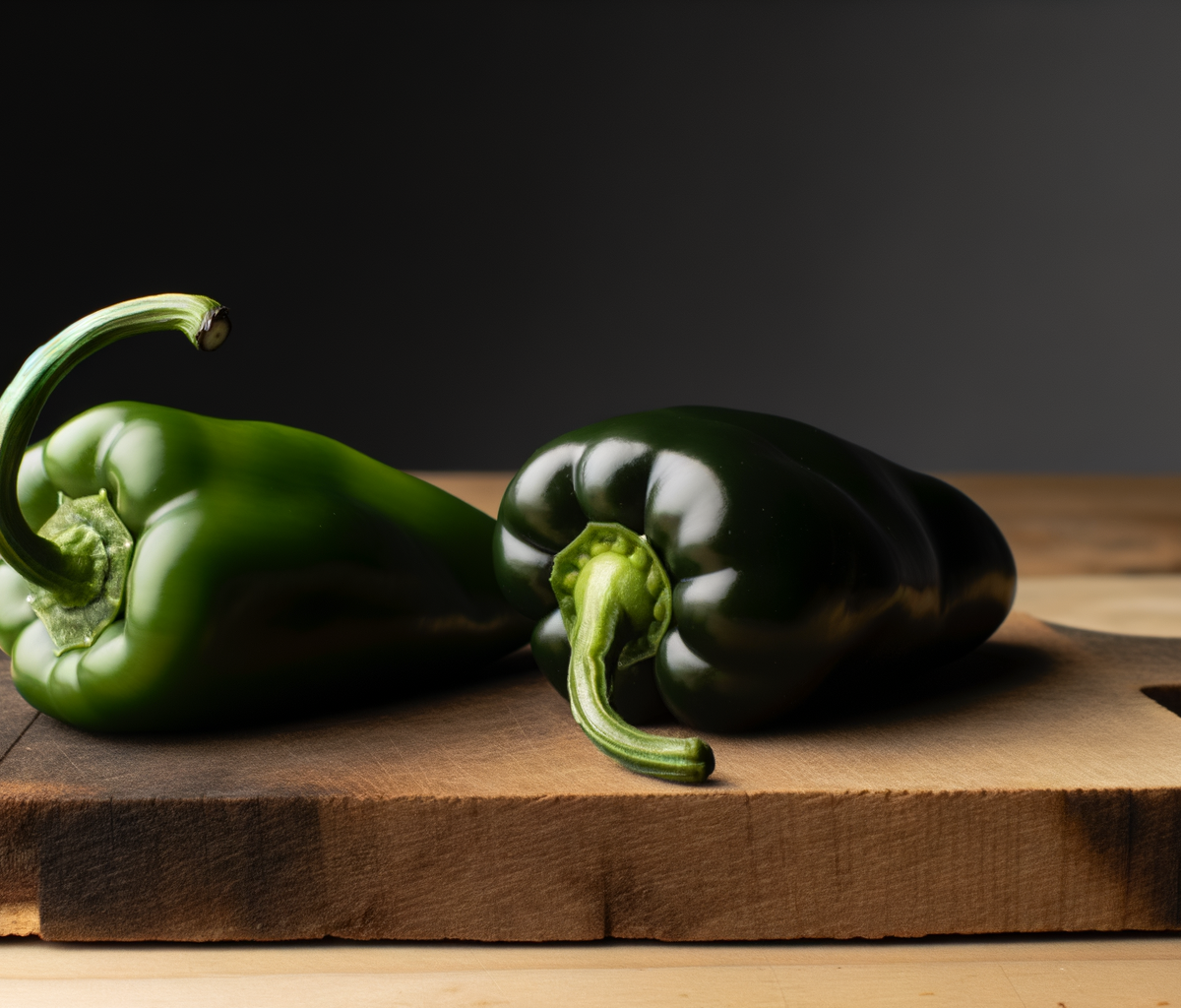
Jalapeño vs Poblano: Choosing the Right Pepper
The jalapeño and poblano are two of Mexico's most important peppers, but they fill completely different roles. Jalapeños bring focused, medium heat and bright flavor to salsas and toppings, while poblanos offer mild, rich earthiness and a large cavity perfect for stuffing. If you're deciding between the two, the right choice almost always comes down to what you're cooking.
Quick Comparison
| Feature | Jalapeño | Poblano |
|---|---|---|
| Scoville Heat Units | 2,500–8,000 SHU | 1,000–2,000 SHU |
| Heat Level | Medium | Mild |
| Flavor | Bright, grassy, clean | Rich, earthy, slightly sweet |
| Size | 2–3.5 inches | 4–6 inches |
| Wall Thickness | Thick | Very thick |
| Common Color | Green (red when ripe) | Dark green (red when ripe) |
| Common Uses | Salsas, poppers, nachos | Stuffing, roasting, rajas, chiles rellenos |
Heat & Scoville Comparison
Both peppers sit on the milder end of the Scoville scale, but there's still a noticeable difference. Jalapeños range from 2,500 to 8,000 SHU — enough to give a clear kick without overwhelming most palates. Poblanos are considerably milder at 1,000 to 2,000 SHU, which is barely above a bell pepper.
In practice, poblanos deliver more of a warm background hum than a real spicy punch. Most people who are sensitive to heat can eat poblanos comfortably. Jalapeños, while still moderate, will definitely register as "spicy" to casual eaters. The heat difference means these peppers appeal to different audiences — poblanos work for family-friendly meals, while jalapeños add genuine kick.
Flavor Profile
Jalapeños taste bright and grassy with a clean, vegetal quality. There's a sharpness to them, especially when raw, that cuts through rich foods beautifully. They taste like a green pepper with attitude — fresh, lively, and slightly herbaceous.
Poblanos are richer and deeper. They have an earthy, almost smoky sweetness even before roasting. When charred and peeled, poblano flavor develops into something complex and deeply savory — think roasted vegetables meets mild green chile. When dried, poblanos become ancho chiles, which are essential to mole sauces and deliver notes of dried fruit and chocolate.
The flavor difference explains why these peppers rarely substitute well for each other. Jalapeños add a punch; poblanos add depth.
Best Uses in Cooking
Jalapeños are precision tools. Dice them into salsas, slice them onto nachos, stuff them for poppers, or blend them into a green sauce. They work as accents and toppings — adding heat and brightness in targeted amounts. Pickling jalapeños is hugely popular, and they're excellent in cornbread, mac and cheese, and burger toppings.
Poblanos are the pepper you build a dish around. Their large size and thick walls make them the top choice for chiles rellenos — stuffed with cheese, meat, or grains and then battered and fried or baked. Roasted poblano strips (rajas) with cream are a classic Mexican side dish. Poblanos also shine in creamy soups, enchilada fillings, and blended into queso. They add substance and body in a way that smaller peppers simply can't.
Growing Comparison
Jalapeños are the easier grow. They're compact plants that produce abundantly — expect 25–35 peppers per plant in a good season. They mature in 70–80 days and adapt well to containers. Jalapeños are one of the most beginner-friendly peppers you can plant.
Poblanos need more space and patience. The plants are larger, and the peppers themselves take 75–90 days to mature. Yields are lower (around 10–20 peppers per plant) because each fruit is so much bigger. Poblanos prefer warm days and cool nights, which is why they thrive in the highlands of Mexico. They can be grown successfully in most temperate climates but may struggle in extreme heat or very short growing seasons.
Availability & Price
Jalapeños are available everywhere — every grocery store, year-round, typically $1.50–$3.00 per pound. They're the default chili pepper in the United States.
Poblanos are common in supermarkets but not quite as universal. You'll reliably find them at stores with a decent produce section, Mexican markets, and farmers' markets. They cost roughly $2.00–$4.00 per pound. Dried poblanos (ancho chiles) are widely available in the spice aisle and are quite affordable.
Which Should You Choose?
Choose jalapeños when you want to add heat and brightness to a dish. They're ideal for salsas, toppings, snacking, and anywhere you want a pepper to make its presence known without being the star.
Choose poblanos when the pepper is the dish — when you're stuffing, roasting, or building a recipe around the pepper itself. Their large size, mild heat, and rich flavor make them a vehicle for other ingredients in a way jalapeños can't match.
Many Mexican recipes actually use both: poblanos as the structural base and jalapeños for heat. A great example is stuffed poblanos topped with a jalapeño-spiked crema. When in doubt, buy both — they're inexpensive and complementary.
FAQ
Can I use a jalapeño instead of a poblano for stuffing? You can stuff jalapeños (that's what jalapeño poppers are), but they're much smaller and hotter. You'll get a completely different dish — a spicy appetizer rather than a hearty entrée. For chiles rellenos, there's really no substitute for a poblano. Anaheim peppers are a closer substitute for poblanos.
Which is better for a mild salsa? Poblanos make a great mild, roasted salsa with deep flavor. If you want a fresh, brighter salsa with more kick, go with jalapeños and remove the seeds and membranes to reduce heat.
What's the difference between a poblano and an ancho chile? They're the same pepper. A poblano is the fresh version; an ancho is the dried version. Drying transforms the flavor, adding sweetness and complexity with notes of raisin and mild chocolate.
Are poblanos good for beginners who don't like spice? Yes. Poblanos are one of the best entry-level chili peppers. Their heat is minimal — most people find them comparable to a green bell pepper with just a hint of warmth. They're a great way to start exploring the world of chili peppers.
More from the Blog
Jalapeño vs Habanero: How Different Are They Really?
Jalapeños and habaneros are two of the most popular chili peppers in the world, but they couldn't be more different. Here's everything you need to know about how they compare in heat, flavor, and cooking uses.
BlogJalapeño vs Cayenne: Heat, Flavor & Cooking Uses
Jalapeños and cayenne peppers are both kitchen staples, but one is usually eaten fresh while the other dominates the spice rack. Here's a detailed comparison of heat, flavor, and the best ways to use each.
BlogJalapeño vs Banana Pepper: Side-by-Side Comparison
Jalapeños and banana peppers are often confused at the grocery store, but they differ significantly in heat, flavor, and best uses. Here's how to tell them apart and when to use each.