Jalapeño vs Ghost Pepper: The Heat Gap Explained
The difference between a jalapeño and a ghost pepper isn't just noticeable — it's staggering. At over 1,000,000 SHU, ghost peppers are more than 100 times hotter than a jalapeño.
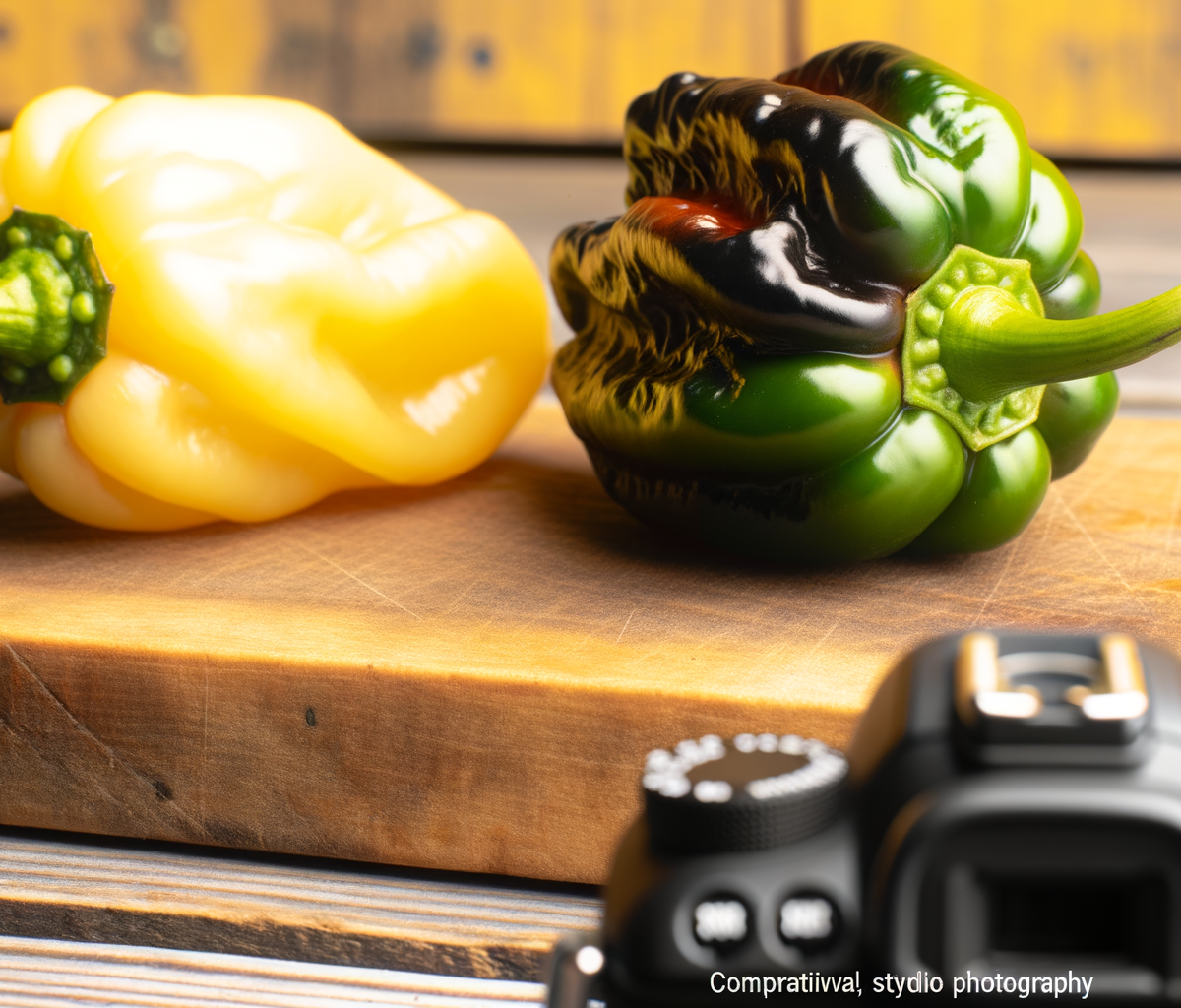
Jalapeño vs Ghost Pepper: The Heat Gap Explained
Comparing a jalapeño to a ghost pepper is like comparing a gentle breeze to a hurricane. The jalapeño tops out at around 8,000 Scoville Heat Units, while the ghost pepper (also known as Bhut Jolokia) reaches up to 1,041,427 SHU. That means the ghost pepper can be more than 125 times hotter than a jalapeño. This isn't a subtle difference — it's a completely different category of heat that demands respect and careful handling.
| Feature | Jalapeño | Ghost Pepper (Bhut Jolokia) |
|---|---|---|
| Scoville Heat Units | 2,500–8,000 SHU | 855,000–1,041,427 SHU |
| Heat Multiplier | Baseline | 100–125x hotter |
| Size | 2–4 inches | 2.5–3.5 inches |
| Skin Texture | Smooth | Rough, bumpy, wrinkled |
| Origin | Mexico | Northeast India |
| Former World Record | No | Yes (2007) |
Heat & Scoville Comparison
The Scoville scale puts these peppers in entirely different leagues. Jalapeños sit comfortably in the mild-to-moderate range at 2,500 to 8,000 SHU. Most people can handle jalapeño heat without much trouble. It's a pleasant warmth that adds flavor without overwhelming a dish.
The ghost pepper occupies superhot territory. When it was measured at over 1,000,000 SHU in 2007, it became the first pepper to officially break the million-SHU barrier and held the Guinness World Record for hottest pepper. While it has since been surpassed by peppers like the Carolina Reaper, the ghost pepper remains one of the hottest peppers most people will ever encounter.
To put the gap in perspective: if a jalapeño is a 1 on a personal heat scale, a ghost pepper is well over 100. Eating a raw ghost pepper is an extreme experience that causes intense burning, profuse sweating, hiccups, and can even induce nausea. This is not a pepper to be taken lightly.
Flavor Profile
Jalapeños have a clean, bright, grassy flavor with a moderate bite. They taste like a fresh green pepper with a kick — vegetal, slightly tangy, and pleasantly crisp. The heat is approachable and allows you to taste the pepper's natural flavor alongside the capsaicin.
Ghost peppers actually have a surprisingly fruity, almost sweet initial flavor before the heat takes over. There are subtle notes of smokiness and a slightly floral quality. The problem is that the extreme capsaicin content overwhelms most people's ability to appreciate these nuances. The heat builds rapidly and intensely over 30 to 45 seconds, peaking in a burning wave that can last 15 to 30 minutes. Many people who eat ghost peppers describe the experience as more about endurance than enjoyment.
Best Uses in Cooking
Jalapeños are everyday cooking peppers. They're perfect for fresh green sauces, salsas, stuffed poppers, pickled toppings, and just about any dish where you want moderate heat. You can eat them raw, cooked, grilled, or fried. A jalapeño is the kind of pepper you can slice onto a pizza without thinking twice.
Ghost peppers require a completely different approach. They're used sparingly — often just a thin sliver or a tiny amount of powder — to add serious heat to dishes. Ghost pepper hot sauces, ghost pepper-infused oils, and ghost pepper jerky are popular products. In Indian cuisine, the Bhut Jolokia is used in small quantities in curries and chutneys from the Assam and Nagaland regions.
The golden rule with ghost peppers is that less is more. A quarter of one ghost pepper can heat an entire pot of chili. If you're experimenting for the first time, start with a piece the size of a pencil eraser and wait 10 minutes before adding more.
Growing Comparison
Jalapeños are one of the easiest peppers to grow at home. They germinate quickly, mature in 70 to 80 days, and produce abundantly in most warm climates. Even beginner gardeners can successfully grow jalapeños in containers on a sunny patio.
Ghost peppers are significantly more challenging. They require a long growing season of 120 to 150 days from transplant to harvest. They need consistently warm temperatures (above 70°F) and high humidity. Germination can be slow and finicky, sometimes taking 2 to 5 weeks. In most of the United States, ghost peppers need to be started indoors well before the last frost and may require a greenhouse or grow lights to reach maturity.
Safety note: When handling ghost peppers, always wear gloves. The capsaicin can cause severe skin burns and the oils transfer easily to eyes and other sensitive areas. When cutting ghost peppers, work in a well-ventilated area and consider wearing eye protection. These precautions aren't necessary with jalapeños.
Availability & Price
Jalapeños are found in every grocery store year-round for $1 to $3 per pound. They're one of the most accessible peppers in North America.
Ghost peppers are much harder to find fresh. Some specialty stores, farmers' markets, and online retailers carry them seasonally, usually in late summer and fall. Fresh ghost peppers can cost $15 to $30 per pound when available. Dried ghost peppers and ghost pepper powder are more accessible and available year-round through online retailers, typically $8 to $15 per ounce.
Which Should You Choose?
For everyday cooking, jalapeños are the clear choice. They're affordable, widely available, and deliver reliable heat that most people enjoy. You can use them freely without worrying about overdoing it.
Ghost peppers are for experienced heat seekers and specific applications. If you love exploring the benefits and sensations of spicy food, ghost peppers take the experience to an extreme level. They're best used as a specialty ingredient — a tiny amount to boost a hot sauce, a pinch of powder in a chili, or a dare for adventurous friends.
If you're working your way up the Scoville scale, there are plenty of peppers between these two. A habanero at 100,000 to 350,000 SHU is a better stepping stone before attempting a ghost pepper.
FAQ
How much hotter is a ghost pepper than a jalapeño? A ghost pepper is roughly 100 to 125 times hotter than a jalapeño. In Scoville terms, that's the difference between 8,000 SHU and over 1,000,000 SHU.
Is it safe to eat a whole ghost pepper? While not dangerous for most healthy adults, eating a whole ghost pepper is an extremely intense experience that can cause severe discomfort, nausea, vomiting, and stomach cramps. It's not recommended for most people. If you do attempt it, have whole milk or ice cream nearby — dairy is much more effective than water at neutralizing capsaicin.
Can I substitute ghost pepper for jalapeño in a recipe? Only in tiny amounts. If a recipe calls for one whole jalapeño, you would use a piece of ghost pepper smaller than a pea. It's much easier to use a different mild pepper as a jalapeño substitute.
Which pepper held the world record before the Carolina Reaper? The ghost pepper (Bhut Jolokia) was certified by Guinness in 2007 as the world's hottest pepper. It was later surpassed by the Trinidad Moruga Scorpion in 2012 and then the Carolina Reaper in 2013.
More from the Blog
Jalapeño vs Habanero: How Different Are They Really?
Jalapeños and habaneros are two of the most popular chili peppers in the world, but they couldn't be more different. Here's everything you need to know about how they compare in heat, flavor, and cooking uses.
BlogJalapeño vs Poblano: Choosing the Right Pepper
Jalapeños and poblanos are both Mexican kitchen essentials, but they serve very different purposes. Here's how to choose between them for your next recipe.
BlogJalapeño vs Cayenne: Heat, Flavor & Cooking Uses
Jalapeños and cayenne peppers are both kitchen staples, but one is usually eaten fresh while the other dominates the spice rack. Here's a detailed comparison of heat, flavor, and the best ways to use each.