Jalapeño vs Scotch Bonnet: Flavor & Heat Compared
Jalapeños and Scotch bonnets represent two very different pepper traditions. The Caribbean Scotch bonnet is up to 40 times hotter with a distinctive fruity, tropical flavor.
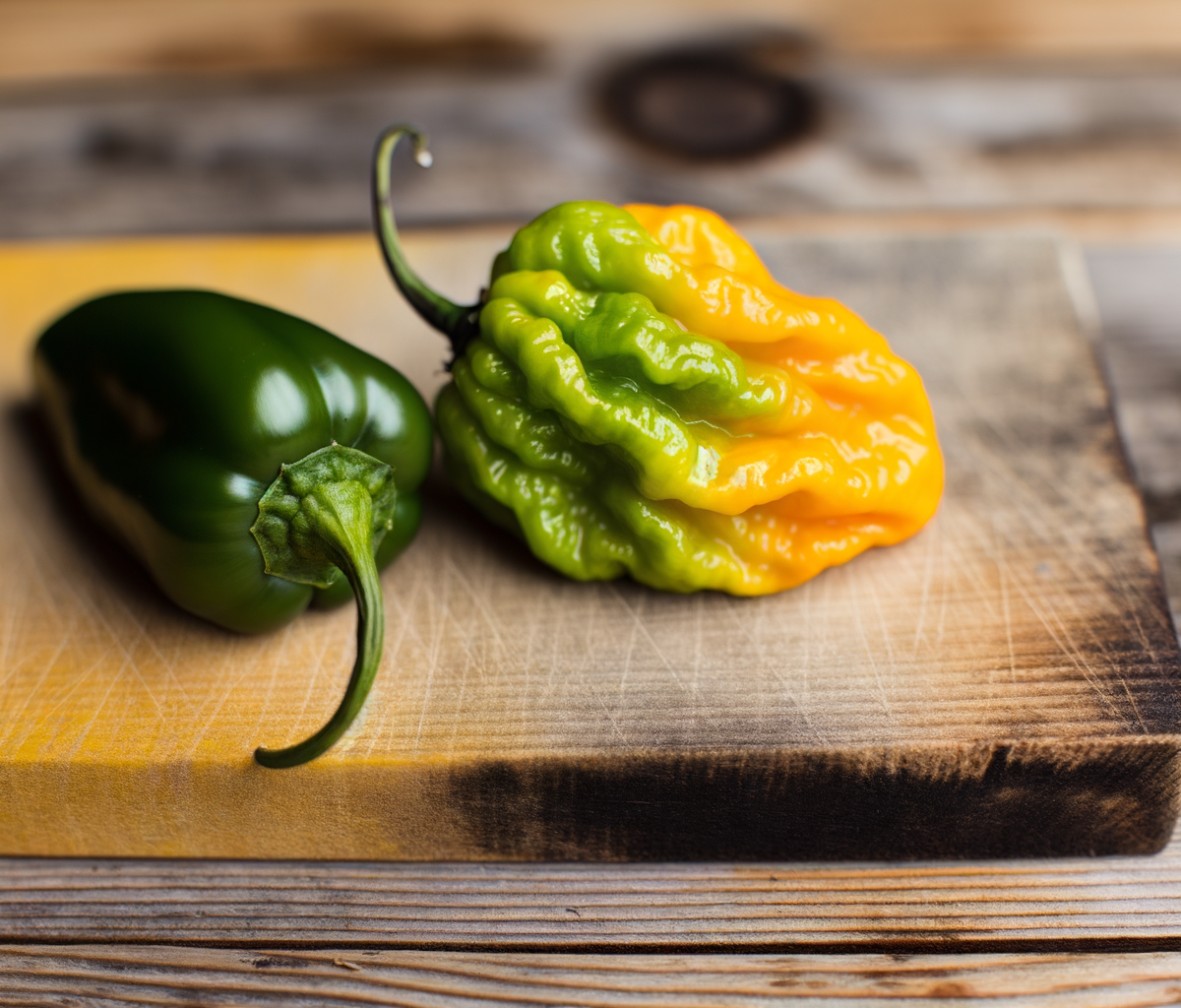
Jalapeño vs Scotch Bonnet: Flavor & Heat Compared
The jalapeño and the Scotch bonnet come from two distinct culinary worlds — Mexican and Caribbean — and the differences between them go well beyond heat. Scotch bonnets can be 40 times hotter than a jalapeño, reaching up to 350,000 SHU, and they bring a uniquely fruity, tropical flavor that jalapeños simply don't have. If you're cooking Caribbean food, there really is no substitute for a Scotch bonnet.
| Feature | Jalapeño | Scotch Bonnet |
|---|---|---|
| Scoville Heat Units | 2,500–8,000 SHU | 100,000–350,000 SHU |
| Shape | Elongated, tapered | Round, bonnet-shaped, crinkled |
| Flavor Notes | Grassy, vegetal, bright | Fruity, tropical, sweet, floral |
| Size | 2–4 inches long | 1–2.5 inches wide |
| Origin | Mexico | Caribbean |
| Primary Cuisines | Mexican, Tex-Mex | Jamaican, Caribbean, West African |
Heat & Scoville Comparison
On the Scoville scale, these peppers are in different weight classes. Jalapeños register between 2,500 and 8,000 SHU, making them a comfortable everyday pepper for most people. Scotch bonnets range from 100,000 to 350,000 SHU, putting them in the same category as their close relative, the habanero.
That means a Scotch bonnet is approximately 12 to 40 times hotter than a jalapeño, depending on the specific peppers being compared. The heat from a Scotch bonnet comes on fast and strong, with an intense burning sensation that spreads across the tongue and lingers for several minutes. If you're accustomed to jalapeño-level heat, approach Scotch bonnets with caution and start with a small amount.
Flavor Profile
This is where the comparison gets really interesting. Jalapeños have a fresh, grassy, slightly vegetal flavor. They taste clean and green with a straightforward peppery bite. It's a flavor that enhances dishes without dominating them.
Scotch bonnets are celebrated for their complex, fruity flavor profile. Before the heat hits, you'll notice tropical notes reminiscent of mango, papaya, and stone fruit, along with a subtle sweetness and floral aroma. This distinctive fruitiness is what makes Scotch bonnets irreplaceable in Caribbean cooking. No other pepper delivers quite the same combination of intense heat and tropical sweetness.
Even the aroma is different. Cut open a jalapeño and you'll smell fresh green pepper. Cut open a Scotch bonnet and you'll be hit with a fragrant, almost perfume-like tropical scent that's immediately recognizable.
Best Uses in Cooking
Jalapeños are workhorses in Mexican and American cooking. They go into green sauces, salsas, poppers, nachos, and pickled toppings. Their mild heat and thick walls make them incredibly versatile — you can stuff them, grill them, fry them, or eat them raw.
Scotch bonnets are the backbone of Caribbean cuisine. They're essential in Jamaican jerk seasoning, where they're blended with allspice, thyme, and other aromatics to create the iconic marinade. They're also used in Caribbean hot sauces, pepper sauces, curried goat, rice and peas, and escovitch fish. In West African cooking, Scotch bonnets appear in jollof rice, pepper soup, and stews.
A popular Caribbean technique is to add a whole, uncut Scotch bonnet to a simmering pot of soup or stew. This infuses the dish with the pepper's fruity flavor without releasing all of the seeds and capsaicin. You remove the whole pepper before serving. This wouldn't work the same way with a jalapeño because you'd miss that essential tropical flavor.
Growing Comparison
Jalapeño plants are compact, reliable, and easy to grow. They mature in 70 to 80 days and produce generously in most warm climates. They're a great choice for beginner gardeners and do well in containers.
Scotch bonnets need more heat and a longer growing season. They require 90 to 120 days to mature and prefer consistently warm temperatures above 75°F. They're native to the Caribbean tropics, so they thrive in hot, humid conditions. In cooler climates, they do best in greenhouses or as container plants that can be moved indoors. The plants are productive once they get going, with each plant yielding 20 to 40 peppers per season.
Both peppers grow well from seed, but Scotch bonnet seeds may be harder to source depending on your location. Caribbean grocery stores sometimes sell fresh Scotch bonnets whose seeds you can save and plant.
Availability & Price
Jalapeños are universally available at grocery stores across North America for $1 to $3 per pound. You'll never struggle to find them.
Scotch bonnets are readily available in areas with Caribbean or West African communities, particularly in cities like Miami, New York, Toronto, and London. They can be harder to find in regions without these communities. Prices range from $3 to $8 per pound. If you can't find Scotch bonnets, habaneros are the closest substitute — they're closely related and share a similar heat level and some of the fruity characteristics, though the flavor isn't identical.
Which Should You Choose?
Choose jalapeños for Mexican, Tex-Mex, and everyday American cooking where you want mild-to-moderate heat with a clean, green pepper flavor. They're the safer bet when cooking for groups or when you want heat without the risk of overpowering a dish.
Choose Scotch bonnets when you're making Caribbean or West African dishes where that specific fruity, tropical heat is essential. Jerk chicken without Scotch bonnets simply isn't authentic jerk chicken. They're also excellent for making Caribbean-style hot sauces and exploring the health benefits of seriously spicy food.
If you enjoy both cuisines, keep both peppers in your kitchen. They serve completely different purposes and aren't truly interchangeable.
FAQ
Are Scotch bonnets the same as habaneros? No, but they're closely related. Both belong to the Capsicum chinense species and share a similar heat range. Scotch bonnets tend to have a sweeter, more fruity flavor and a distinct bonnet-like shape. Habaneros are slightly more pointed and have a more floral heat. In a pinch, they can substitute for each other.
Can I use jalapeños in jerk seasoning instead of Scotch bonnets? You can, but the result will be quite different. You'll get much less heat and you'll miss the fruity, tropical notes that define authentic jerk flavor. If you make the swap, you'll need many more jalapeños and the taste won't be the same.
How do I handle Scotch bonnets safely? Always wear gloves when cutting Scotch bonnets. Their capsaicin content is high enough to cause painful skin irritation that can last for hours. Avoid touching your face or eyes, and wash cutting boards and knives thoroughly after use.
What is the mildest way to use a Scotch bonnet? Add a whole, uncut Scotch bonnet to a simmering liquid. The pepper will release its fruity aroma and mild flavor without unleashing its full heat. Remove it before serving for a gentle Caribbean warmth.
More from the Blog
Jalapeño vs Habanero: How Different Are They Really?
Jalapeños and habaneros are two of the most popular chili peppers in the world, but they couldn't be more different. Here's everything you need to know about how they compare in heat, flavor, and cooking uses.
BlogJalapeño vs Poblano: Choosing the Right Pepper
Jalapeños and poblanos are both Mexican kitchen essentials, but they serve very different purposes. Here's how to choose between them for your next recipe.
BlogJalapeño vs Cayenne: Heat, Flavor & Cooking Uses
Jalapeños and cayenne peppers are both kitchen staples, but one is usually eaten fresh while the other dominates the spice rack. Here's a detailed comparison of heat, flavor, and the best ways to use each.