Jalapeño vs Shishito Pepper: Heat, Flavor, and Uses Compared
Jalapeños bring reliable medium heat while shishitos are mostly mild with the occasional spicy surprise. Learn how these two popular peppers compare in flavor, heat, and kitchen uses.
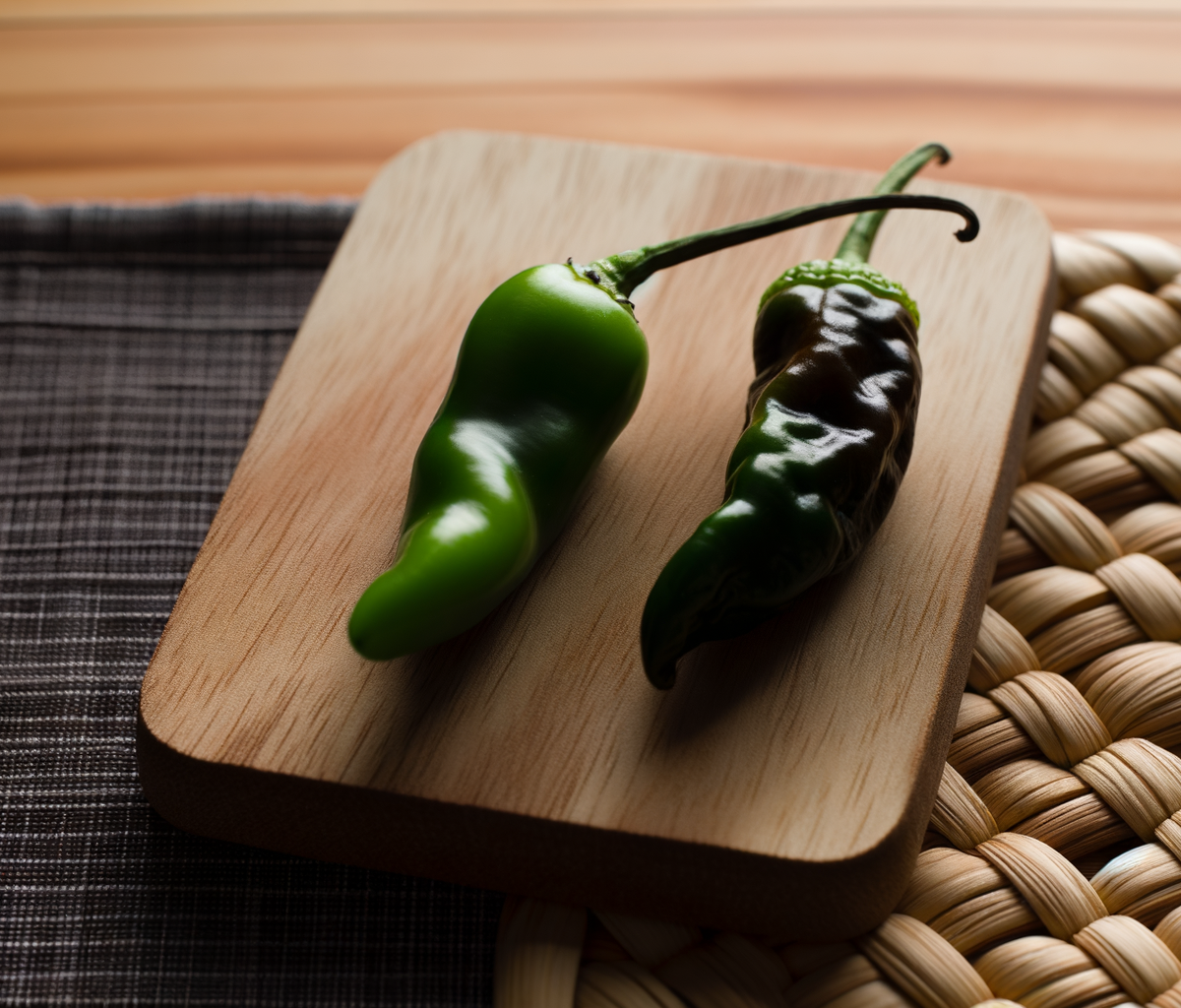
If you've ever bitten into a shishito pepper expecting a mild snack only to get a fiery surprise, you know these little peppers can be unpredictable. But how do they really stack up against the jalapeño? The short answer: jalapeños are significantly hotter and more consistent in their heat, while shishitos offer a mostly mild experience with an occasional spicy kick. Let's break down everything you need to know about these two beloved peppers.
Quick Comparison Table
| Feature | Jalapeño | Shishito |
|---|---|---|
| Scoville Heat Units | 2,500–8,000 SHU | 50–200 SHU |
| Origin | Mexico | Japan |
| Size | 2–3.5 inches | 2–4 inches |
| Flavor | Bright, grassy, crisp | Sweet, slightly smoky, citrusy |
| Heat consistency | Very consistent | ~1 in 10 is spicy |
| Common uses | Salsas, nachos, stuffing | Blistered appetizer, tempura |
| Availability | Year-round, everywhere | Seasonal, specialty stores |
Heat Level Comparison
On the Scoville scale, jalapeños register between 2,500 and 8,000 SHU, putting them firmly in the medium-heat category. Shishitos, by contrast, hover between just 50 and 200 SHU — making them roughly 20 to 40 times milder than a typical jalapeño.
The real twist with shishitos is their unpredictability. About one in every ten shishito peppers packs a surprising punch, sometimes reaching up to 1,000 SHU. This lottery-like quality is part of what makes eating blistered shishitos so fun — you never quite know which one will bite back.
Flavor Profile
Jalapeños deliver a bright, grassy flavor with a clean vegetal crunch when raw. They have a distinctive green pepper taste that most people recognize instantly. When roasted or grilled, jalapeños develop a deeper, slightly sweet character while retaining their signature bite.
Shishitos taste markedly different. They're sweet, thin-walled peppers with subtle smoky and citrusy notes. Their delicate flavor is closer to a mild bell pepper with more complexity. When blistered in a hot pan, shishitos develop a wonderful charred sweetness that makes them irresistible as an appetizer.
Appearance and Texture
Jalapeños are thick-walled, smooth-skinned peppers with a sturdy crunch. They're typically 2 to 3.5 inches long with a rounded, conical shape. They start green and ripen to red if left on the plant long enough.
Shishitos are thinner-walled and more wrinkled, with a slightly twisted, elongated shape. They're typically 2 to 4 inches long with thin skin that blisters beautifully when exposed to high heat. Their thin walls mean they cook quickly and have a more delicate texture.
Best Culinary Uses
Jalapeños shine in:
- Salsas and pico de gallo
- Stuffed jalapeño poppers
- Pickled as a topping for nachos and tacos
- Sliced raw on sandwiches and burgers
- Blended into green sauces and hot sauces
Shishitos shine in:
- Blistered in a hot skillet with oil and sea salt
- Tempura-fried as an appetizer
- Grilled on skewers
- Stuffed with soft cheese
- Added to stir-fries
Growing Differences
Both peppers are relatively easy to grow at home. Jalapeño plants are prolific producers that thrive in warm weather and produce dozens of peppers per plant throughout the growing season. They're one of the most forgiving peppers for beginners.
Shishito plants are similarly productive and actually mature a bit faster than jalapeños. They prefer the same warm conditions but tend to produce thinner-walled peppers that are ready to pick when they're still green and about 3 inches long. Both plants do well in containers and garden beds.
Nutritional Comparison
Both peppers are low in calories and high in vitamins. Jalapeños are particularly rich in vitamin C and contain capsaicin, which has been linked to metabolism-boosting and anti-inflammatory benefits. Shishitos also provide plenty of vitamin C and vitamin A, though their lower capsaicin content means fewer of those specific heat-related health benefits.
Substituting One for the Other
Can you swap shishitos for jalapeños in a recipe? It depends. If you're making a dish where mild pepper flavor is the goal — like a stir-fry or stuffed pepper appetizer — shishitos can stand in nicely. But for salsas, hot sauces, or any dish where you need reliable heat, shishitos won't deliver. A better mild substitute for jalapeños would be an Anaheim pepper, which has more body and a bit more warmth.
Going the other direction, if a recipe calls for shishitos and you only have jalapeños, you can use them but expect a much spicier result. Remove the seeds and membranes to reduce the heat, and consider using fewer peppers.
Frequently Asked Questions
Are shishito peppers hotter than jalapeños? No. Shishitos are significantly milder, averaging 50–200 SHU compared to the jalapeño's 2,500–8,000 SHU. However, about 1 in 10 shishitos can be unexpectedly spicy.
Can I use shishito peppers in salsa instead of jalapeños? You can, but the salsa will be very mild and have a different flavor profile. Shishitos lack the consistent heat and grassy bite that jalapeños bring to salsa.
Why are some shishito peppers spicy and others aren't? Stress factors during growing — including temperature swings, inconsistent watering, and sun exposure — cause some shishito peppers to produce more capsaicin than others. It's a natural variation that makes each pepper a small gamble.
Which pepper is better for beginners who don't like spicy food? Shishitos are the clear winner for heat-sensitive eaters. Their mild flavor and fun blistered preparation make them a great gateway pepper. Just be prepared for the occasional spicy one.
More from the Blog
Jalapeño vs Habanero: How Different Are They Really?
Jalapeños and habaneros are two of the most popular chili peppers in the world, but they couldn't be more different. Here's everything you need to know about how they compare in heat, flavor, and cooking uses.
BlogJalapeño vs Poblano: Choosing the Right Pepper
Jalapeños and poblanos are both Mexican kitchen essentials, but they serve very different purposes. Here's how to choose between them for your next recipe.
BlogJalapeño vs Cayenne: Heat, Flavor & Cooking Uses
Jalapeños and cayenne peppers are both kitchen staples, but one is usually eaten fresh while the other dominates the spice rack. Here's a detailed comparison of heat, flavor, and the best ways to use each.