Jalapeño vs Thai Chili: How They Compare
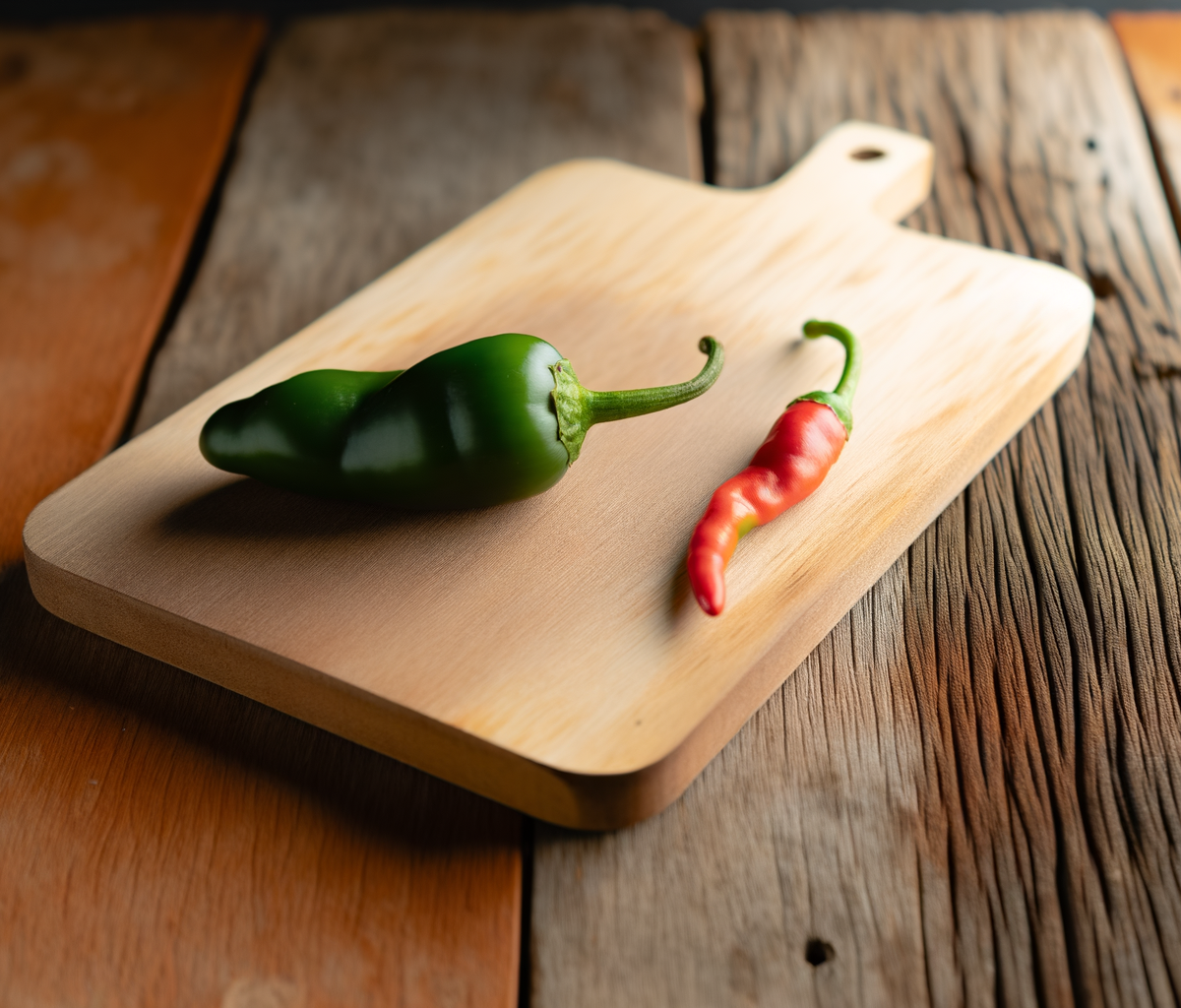
Jalapeño and Thai chili peppers come from completely different culinary traditions, and the heat gap between them is enormous. Here's how these two popular peppers stack up.
Jalapeño vs Thai Chili: How They Compare
If you're wondering whether you can swap a jalapeño for a Thai chili in a recipe, the short answer is: proceed with caution. Thai chilies pack roughly 10 to 20 times the heat of a jalapeño, so a simple one-for-one substitution could turn a mild dish into a fiery experience. These two peppers come from different culinary worlds and bring very different things to the table.
| Feature | Jalapeño | Thai Chili |
|---|---|---|
| Scoville Heat Units | 2,500–8,000 SHU | 50,000–100,000 SHU |
| Size | 2–4 inches long | 1–2 inches long |
| Wall Thickness | Thick, meaty | Thin, papery |
| Origin | Mexico | Southeast Asia |
| Primary Cuisines | Mexican, Tex-Mex, American | Thai, Vietnamese, Indonesian |
| Color When Ripe | Green to red | Green to red |
Heat & Scoville Comparison
The heat difference between these two peppers is dramatic. On the Scoville scale, jalapeños register between 2,500 and 8,000 SHU, placing them firmly in mild-to-moderate territory. Thai chilies, on the other hand, range from 50,000 to 100,000 SHU, which puts them in the same neighborhood as a habanero.
What makes the comparison even more striking is the size difference. Thai chilies are tiny — often just an inch or two long — yet they deliver an intense, searing heat that builds quickly and lingers. Jalapeños are two to four times larger but carry a fraction of the capsaicin. Don't let the small size of a Thai chili fool you; these little peppers mean business.
Flavor Profile
Beyond the heat, jalapeños and Thai chilies taste quite different. Jalapeños have a bright, grassy, slightly vegetal flavor with a clean bite. They're crisp and juicy when fresh, and their thick walls give them a satisfying crunch. The heat is noticeable but doesn't overwhelm the other flavors in a dish.
Thai chilies deliver a sharper, more piercing heat with subtle fruity and citrusy undertones. The flavor is less about the pepper itself and more about the intense capsaicin punch it delivers. When cooked, Thai chilies meld into sauces and curries, contributing a clean, bright heat that complements aromatics like lemongrass, galangal, and kaffir lime.
Best Uses in Cooking
Jalapeños are incredibly versatile in the kitchen. They're perfect for fresh salsas and green sauces, stuffed as poppers, sliced on nachos, or pickled for sandwiches and burgers. Their thick walls make them ideal for stuffing and grilling. In Mexican and Tex-Mex cooking, jalapeños play a foundational role in everything from guacamole to enchilada sauce.
Thai chilies shine in Southeast Asian dishes. They're essential in Thai curries, stir-fries, pad kra pao, and dipping sauces like nam prik. They're also commonly used in Vietnamese pho, Indonesian sambal, and Malaysian laksa. Because they're so potent, you typically only need one or two to heat an entire dish. They work best when sliced thin, minced, or pounded into curry pastes.
Growing Comparison
Both peppers are relatively easy to grow at home, but they have different requirements. Jalapeño plants are compact and bushy, typically reaching 2 to 3 feet tall. They produce large, thick-walled fruits and thrive in warm climates with full sun. Most jalapeño varieties mature in 70 to 80 days and produce abundantly throughout the growing season.
Thai chili plants are prolific producers. A single plant can yield hundreds of small peppers over a season. The plants tend to be slightly taller and more upright than jalapeño plants, and the peppers grow pointing upward on the stem. Thai chilies need warm conditions and a longer growing season — usually 80 to 100 days to maturity. In cooler climates, they do best in containers that can be moved indoors.
Availability & Price
Jalapeños are one of the most widely available peppers in the world. You'll find them at virtually every grocery store in North America year-round, typically priced at $1 to $3 per pound. Their popularity in American cooking means they're never hard to track down.
Thai chilies are readily available at Asian grocery stores and are increasingly stocked at mainstream supermarkets. They're usually sold in small bags or bundles and cost $3 to $6 per pound. If you can't find them fresh, dried Thai chilies are a good substitute and are available online and at specialty stores.
Which Should You Choose?
The choice between jalapeño and Thai chili depends entirely on the cuisine you're cooking and your heat tolerance. If you're making Mexican, Tex-Mex, or American dishes, jalapeños are the natural choice. They provide manageable heat with great flavor and texture. If you're cooking Thai, Vietnamese, or other Southeast Asian recipes, Thai chilies are essential for authentic flavor and heat.
For those who enjoy spicy food and its health benefits, Thai chilies deliver a much bigger capsaicin punch per pepper. But if you're feeding a crowd with mixed heat preferences, jalapeños give you more control over the spice level.
FAQ
Can I substitute Thai chili for jalapeño? You can, but use much less. Start with about one-quarter of the amount and adjust upward. One Thai chili can replace three to four jalapeños in terms of heat.
Are Thai chilies the hottest peppers in Asian cooking? No. While they're quite hot at 50,000 to 100,000 SHU, there are hotter varieties used in some Asian cuisines. However, Thai chilies are among the most commonly used hot peppers in Southeast Asian cooking.
Which pepper is better for hot sauce? Both make excellent hot sauces with very different profiles. Jalapeños produce milder, tangier sauces common in Mexican cuisine. Thai chilies create intensely spicy sauces typical of Southeast Asian condiments.
Do Thai chilies and jalapeños have different nutritional benefits? Both are rich in vitamins A and C, but Thai chilies contain significantly more capsaicin per gram. Higher capsaicin content is linked to stronger metabolic and anti-inflammatory benefits.
More from the Blog
Jalapeño vs Habanero: How Different Are They Really?
Jalapeños and habaneros are two of the most popular chili peppers in the world, but they couldn't be more different. Here's everything you need to know about how they compare in heat, flavor, and cooking uses.
BlogJalapeño vs Poblano: Choosing the Right Pepper
Jalapeños and poblanos are both Mexican kitchen essentials, but they serve very different purposes. Here's how to choose between them for your next recipe.
BlogJalapeño vs Cayenne: Heat, Flavor & Cooking Uses
Jalapeños and cayenne peppers are both kitchen staples, but one is usually eaten fresh while the other dominates the spice rack. Here's a detailed comparison of heat, flavor, and the best ways to use each.