Why Do Jalapeños Turn Red on the Plant? Should You Wait?
When your green jalapeños start turning red, don't panic — they're simply ripening. The real question is whether to pick them green or wait for them to turn fully red.
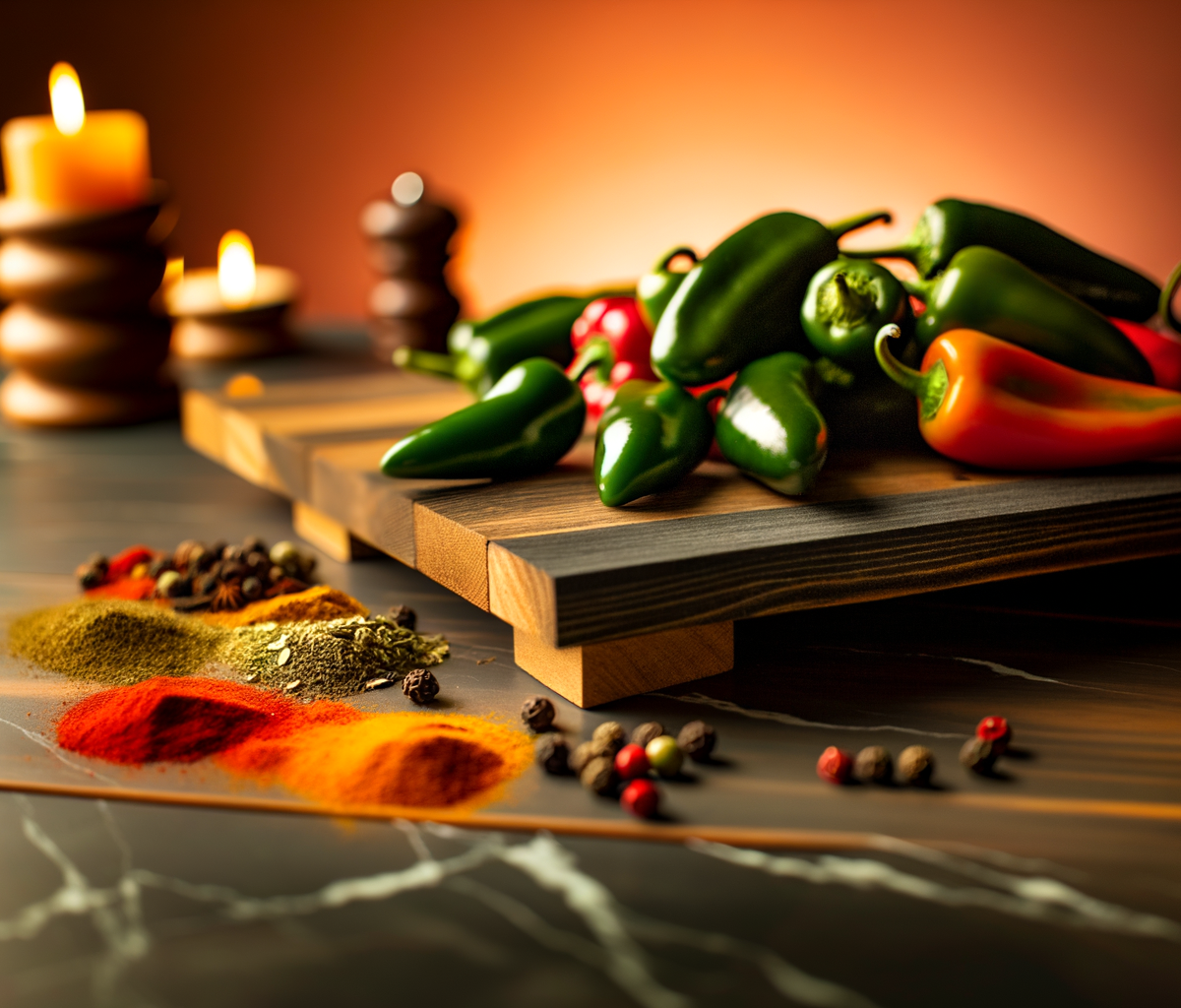
Why Do Jalapeños Turn Red on the Plant? Should You Wait?
If you're growing jalapeños and notice some of your green peppers developing streaks of red or turning fully crimson, there's nothing wrong with your plant. Your jalapeños are simply ripening. Like tomatoes, jalapeños start green and change color as they mature — and yes, that red jalapeño is perfectly safe, delicious, and arguably better than a green one.
The real question isn't "why are they turning red?" but rather "should I wait for them to turn red, or pick them while they're still green?" The answer depends on what you want from your peppers.
The Science of Ripening
All jalapeño peppers go through the same color progression as they mature:
- Dark green — the youngest, most immature stage
- Bright green — the standard "jalapeño green" stage when most peppers are harvested
- Green with dark streaks — early signs of ripening
- Half green, half red — mid-ripening
- Fully red — completely ripe
This color change is caused by the breakdown of chlorophyll (the green pigment) and the development of carotenoids — the same class of pigments responsible for the red in tomatoes and the orange in carrots. Specifically, jalapeños develop capsanthin and capsorubin, two carotenoids that produce a deep red color.
The process typically takes 2-3 weeks from the first signs of color change to fully red. Temperature, sunlight, and the overall health of the plant all influence how quickly ripening occurs.
Green vs Red Jalapeños: What's Different?
Flavor
This is the most significant difference. Green jalapeños have a bright, sharp, grassy flavor — that classic "jalapeño taste" most people recognize. Red jalapeños develop a noticeably sweeter, fruitier flavor. The additional time on the plant allows sugars to develop, giving red jalapeños a complexity that green ones lack.
Think of it like the difference between a green and a ripe tomato. The green version has its own appeal, but the ripe one is fuller and more nuanced.
Heat Level
Red jalapeños are generally slightly hotter than green ones. During the extra ripening time, the pepper continues to produce capsaicin. The difference isn't dramatic — you're not jumping from mild to extreme — but if you measure on the Scoville Scale, red jalapeños tend to land on the higher end of the 2,500-8,000 SHU range.
Nutrition
Red jalapeños contain more vitamins than green ones. The ripening process increases vitamin C content and significantly boosts vitamin A (from those carotenoid pigments). A red jalapeño can have up to twice the vitamin C of a green one.
Texture
The walls of a red jalapeño are slightly softer than a green one, though still firm enough for slicing and dicing. The skin may also be slightly thicker.
Should You Wait? The Trade-Offs
Reasons to Pick Green
- Higher yield: When you pick green jalapeños, the plant redirects energy into producing new flowers and fruit. Regular harvesting throughout the season maximizes your total pepper count. Our harvesting guide covers the best techniques.
- Crispness: Green jalapeños are firmer and snappier — ideal for slicing on nachos, pickling, or any use where crunch matters.
- Classic flavor: Many recipes are built around the specific flavor of green jalapeños. Salsas, green sauces, and guacamole typically call for green peppers.
- Longer storage: Green jalapeños tend to have a slightly longer shelf life than fully ripe red ones.
Reasons to Wait for Red
- Sweeter, more complex flavor: If you appreciate depth and sweetness in your peppers, red jalapeños deliver.
- Making chipotles: Traditional chipotle peppers are made exclusively from red jalapeños. The sugars in ripe peppers develop the characteristic sweetness that defines a good chipotle.
- More nutrition: Higher vitamin C and vitamin A content.
- Slightly more heat: If you want your jalapeños to pack a bigger punch.
- Visual appeal: Red jalapeños add striking color to dishes, salsas, and pepper flakes.
The Middle Ground
Many experienced growers do both. They harvest the majority of their jalapeños at the green stage to keep the plant productive, but let a portion ripen to red for chipotle-making, dried pepper flakes, or special recipes. This balanced approach gives you the best of both worlds.
How to Encourage Ripening
If you want your jalapeños to turn red, these tips can help:
- Leave them on the plant. This is the most straightforward approach. Simply stop harvesting and let nature take its course.
- Provide consistent care. A healthy, well-fed plant ripens fruit more reliably. Follow best practices for soil, water, and sunlight and fertilizer.
- Warm temperatures help. Ripening slows in cool weather. If autumn is approaching, consider covering plants or bringing container-grown plants indoors to a warm, sunny spot.
- Reduce watering slightly. Mild water stress can accelerate ripening (though don't let the plant wilt).
Can Jalapeños Ripen Off the Plant?
Sort of. Jalapeños that have already started to show color — those with red streaks or that are partially turned — will often continue to ripen after picking if kept at room temperature. However, a fully green jalapeño with no color change will not turn red off the plant. It needs to have initiated the ripening process while still connected to the vine.
If you've picked a pepper that's showing early signs of red, place it on a sunny windowsill for a few days. It may not reach the same deep red as a vine-ripened pepper, but it will develop more color and sweetness.
What About Other Colors?
Some specialty jalapeño varieties ripen to colors other than red. The "Purple Jalapeño" turns dark purple before eventually ripening to red. The "NuMex Pumpkin Spice" jalapeño ripens to an orange-brown. These are novelty varieties — the standard jalapeño color progression is always green to red.
If your jalapeño is turning yellow or brown in spots and appears soft or wrinkled, that's not ripening — it's spoilage. A healthy ripening pepper remains firm and smooth as it changes color.
Frequently Asked Questions
Is it safe to eat a red jalapeño?
Absolutely. A red jalapeño is simply a fully ripe green jalapeño. It's safe, delicious, and more nutritious than the green version.
How long does it take for a jalapeño to turn red?
From the first appearance of color to fully red typically takes 2-3 weeks on the plant. The total time from flower to red pepper is roughly 100-120 days, compared to 70-80 days for a green jalapeño.
Will picking green jalapeños hurt the plant?
No. In fact, picking green jalapeños encourages the plant to produce more fruit. Regular harvesting keeps the plant productive and can extend the growing season.
Can I use red jalapeños the same way as green ones?
Yes, though the flavor will be different — sweeter and slightly fruitier. Red jalapeños work well in salsas, hot sauces, stuffed peppers, and anywhere you'd use green jalapeños. They're especially good for making dried pepper flakes and chipotles.
More from the Blog
Why Are Some Jalapeños Hot and Others Not? The Science of Heat
Ever bite into a jalapeño expecting fire and get nothing? The heat of any individual jalapeño depends on genetics, growing conditions, and ripeness. Here's the science behind the variation.
BlogRed vs Green Jalapeños: What's the Difference?
Red and green jalapeños are the same pepper at different stages of ripeness. Here's how they differ in flavor, heat, nutrition, and the best ways to use each one.
BlogScoville Scale Explained: Where Do Jalapeños Rank?
Jalapeños rank between 2,500 and 8,000 SHU on the Scoville scale, placing them in the mild-to-moderate range. Here's what that number actually means and how it compares.