Best Peppers for Container Gardening
Limited space? No problem! These pepper varieties thrive in containers and pots. Perfect for balconies, patios, and small urban gardens.
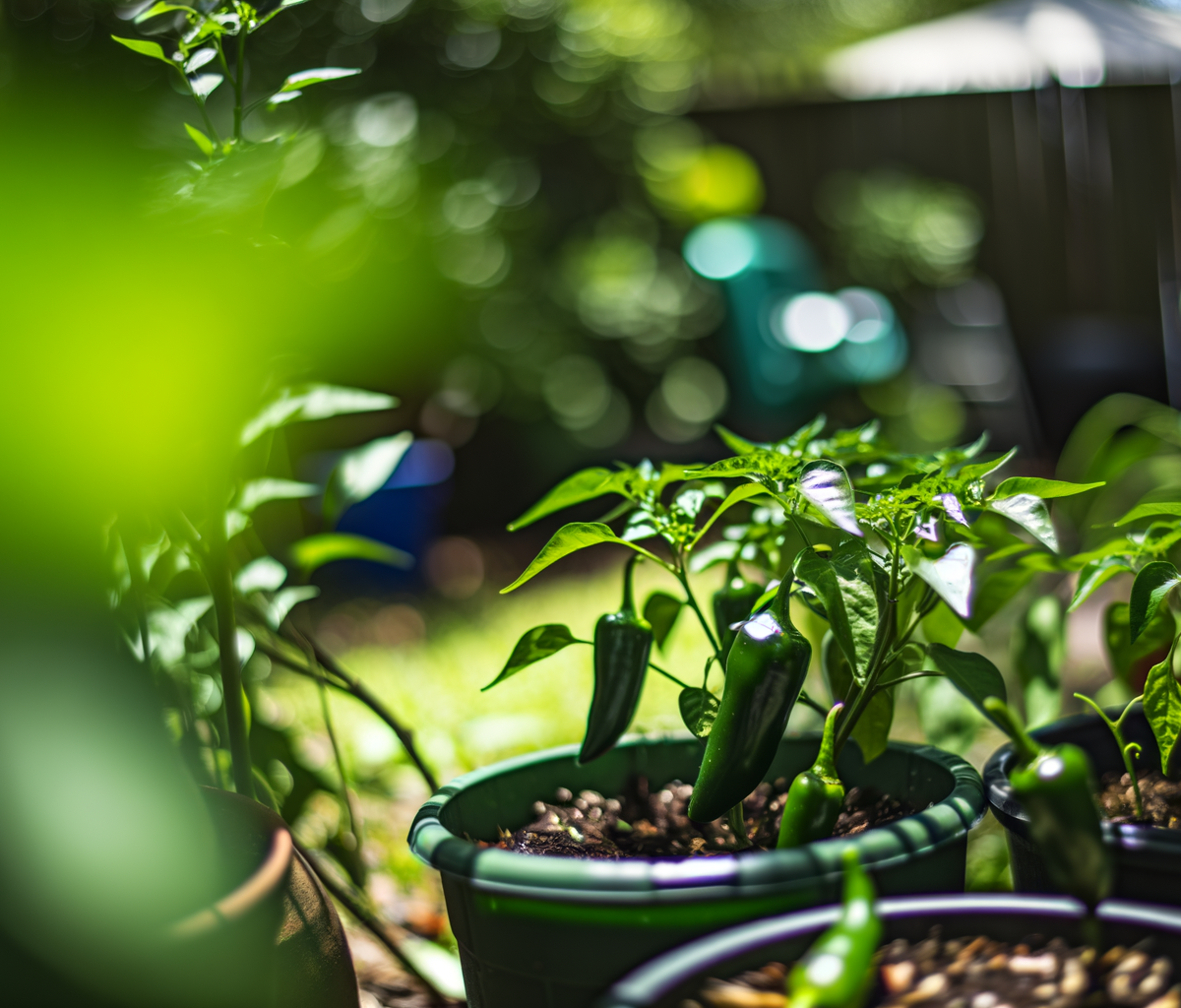
Best Peppers for Container Gardening
Don't have a garden? No problem! Many peppers grow beautifully in containers. Here are the best varieties and how to succeed with container peppers.
Why Grow Peppers in Containers?
Advantages:
- Perfect for apartments and condos
- Moveable for ideal sun exposure
- Better soil control
- Easier pest management
- Extended season (bring indoors when cold)
Best Container Pepper Varieties
1. Jalapeño M
Compact jalapeño variety bred specifically for containers. Produces full-sized peppers on a 2-foot plant.
Container size: 5 gallons
2. Thai Hot
Perfect for small pots. These petite plants produce dozens of fiery little peppers.
Container size: 3-5 gallons
3. Habanero
Surprisingly well-suited to containers. Compact growth with big heat.
Container size: 5 gallons
4. Shishito
These Japanese peppers love containers. Mild with occasional spicy surprise!
Container size: 5 gallons
5. Cayenne
Long, thin peppers on compact plants. Very productive in containers.
Container size: 5 gallons
6. Ornamental Peppers
Beautiful and edible! Black Pearl, Medusa, and Chinese Five Color are stunning.
Container size: 3-5 gallons
Container Requirements
Size Matters
- Small peppers (ornamental, Thai): 3-5 gallons
- Medium peppers (jalapeño, cayenne): 5 gallons
- Large peppers (bell, poblano): 7-10 gallons
Pro tip: Bigger is usually better. Larger containers retain moisture better and give roots room to grow.
Drainage is Critical
Your container must have drainage holes. Peppers sitting in water will develop root rot.
Bottom layer trick: Add 1-2 inches of gravel or broken pottery for extra drainage.
Soil for Container Peppers
Don't use garden soil! It compacts in containers.
Use:
- High-quality potting mix
- Added perlite for drainage
- Compost for nutrients
Recipe: 60% potting mix, 20% compost, 20% perlite
Watering Container Peppers
This is where most people struggle.
The golden rule: Water when the top 2 inches of soil are dry.
Signs of underwatering:
- Wilting leaves
- Dropping flowers/fruits
- Slow growth
Signs of overwatering:
- Yellow leaves
- Musty smell
- Soft, brown roots
Pro tip: Containers dry out faster than ground soil. Check daily in hot weather!
Fertilizing
Container peppers need regular feeding since nutrients wash out with watering.
Schedule:
- Weeks 1-4: Balanced fertilizer (10-10-10)
- Week 5+: Low nitrogen (5-10-10) every 2 weeks
Organic option: Compost tea or fish emulsion weekly
Placement and Sunlight
Peppers need 6-8 hours of direct sun.
Container advantage: You can move them! Start in partial shade, then gradually increase sun exposure.
Best spot: South-facing location with morning sun
Supporting Your Plants
Even in containers, peppers may need support:
- Small tomato cages work well
- Bamboo stakes for single plants
- Prevent heavy fruits from breaking branches
Overwintering Container Peppers
One amazing benefit of container growing: bring plants indoors before frost!
To overwinter:
- Bring indoors before first frost
- Place in sunny window or under grow lights
- Reduce watering
- Don't fertilize during winter
- Prune back in early spring
Peppers are perennials - they can live for years!
Common Container Problems
Problem: Blossom end rot Solution: Consistent watering + calcium supplement
Problem: Stunted growth Solution: Larger container + regular fertilizing
Problem: Pests concentrated on plant Solution: Inspect daily, use neem oil spray
Top Tips for Success
- Choose dwarf or compact varieties - they're bred for containers
- Size up - when in doubt, use a bigger pot
- Water consistently - this is critical for container growing
- Fertilize regularly - containers need more feeding
- Watch for pests - easier to spot and treat on container plants
Start with one or two varieties and see how much you can harvest from a simple container. You might be surprised!
More from the Blog
How to Grow Jalapeños Indoors: Complete Apartment Guide
Everything you need to know about growing jalapeño peppers indoors, from choosing the right containers and soil to hand-pollination and harvesting in your apartment.
BlogWhy Are My Jalapeño Leaves Turning Yellow? 7 Causes & Fixes
Yellowing jalapeño leaves are usually caused by overwatering, nutrient deficiencies, or pest damage. Here are 7 common causes and exactly how to fix each one.
BlogWhen to Pick Jalapeños: The Perfect Harvest Timing Guide
Learn exactly when to pick jalapeños for the best flavor and heat. Covers visual cues like size, color, and corking to help you harvest at the perfect time.