Black Spots on Jalapeño Peppers: What They Mean
Noticing dark patches on your jalapeño peppers? Black spots can signal anything from natural ripening to disease. Learn how to tell the difference and when to worry.
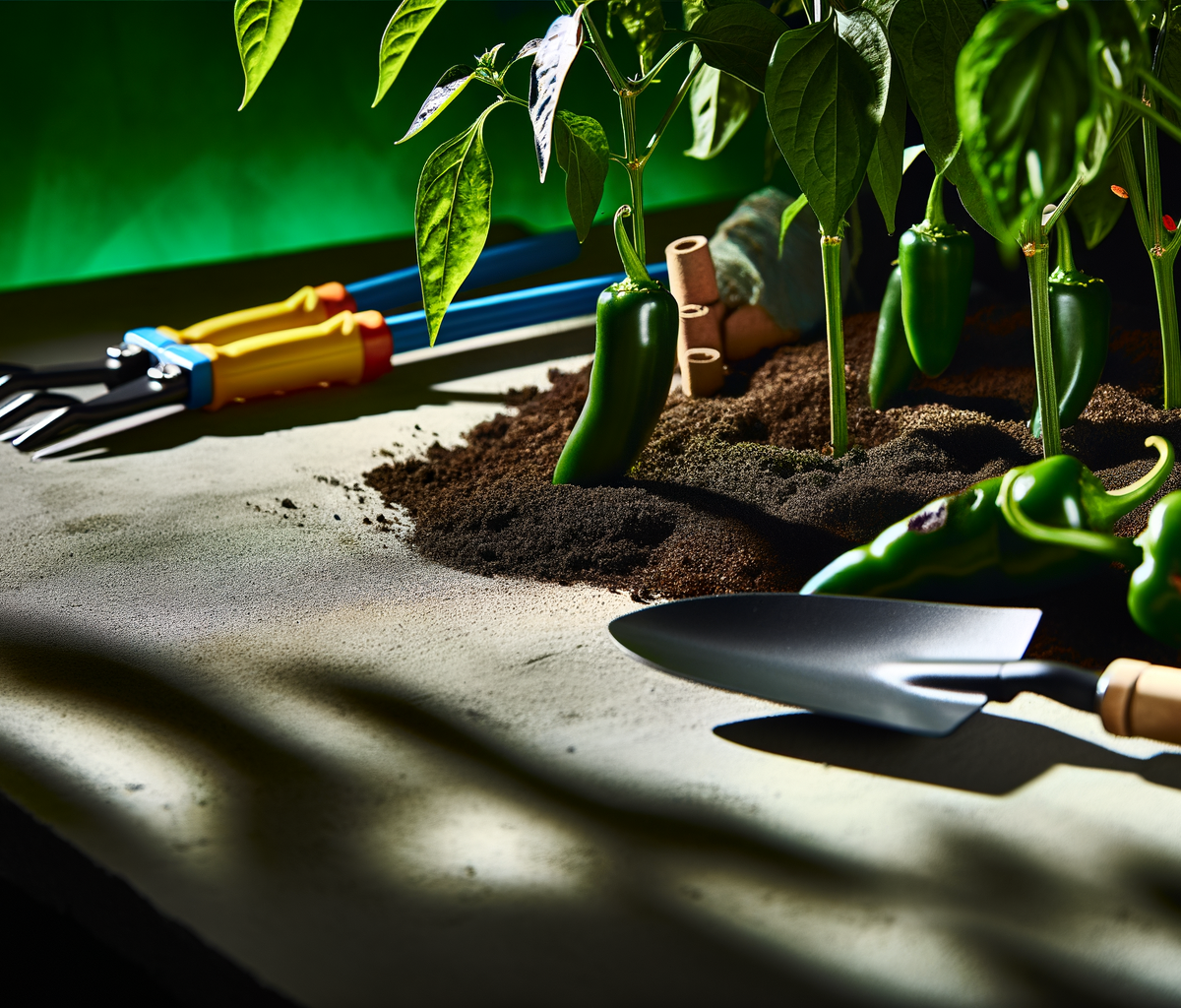
Black Spots on Jalapeño Peppers: What They Mean
If you've noticed dark or black spots appearing on your jalapeño peppers, your first instinct might be to panic. Before you pull out the plant or toss the fruit, take a breath. In many cases, those black spots are completely harmless and even a sign that your pepper is maturing beautifully. However, some types of dark spots do indicate problems that need attention.
The key is learning to tell the difference between natural darkening and spots caused by disease, pests, or environmental stress. This guide walks you through every common cause, shows you what to look for, and explains exactly what to do in each case.
Natural Causes of Black Spots
Corking (Black Lines and Streaks)
Corking appears as dark brown or black lines, streaks, or rough patches on the surface of the pepper. It looks almost like stretch marks on the skin of the fruit. This is completely natural and happens when the pepper grows faster than its skin can keep up with. Many experienced growers actually consider heavy corking a sign of a flavorful, mature pepper.
Corking is especially common on jalapeños and is prized in Mexican cuisine. You'll see it more often on peppers that have been left on the plant longer. These peppers are perfectly safe to eat and often have more heat and deeper flavor than smooth-skinned ones.
Purple or Black Coloring During Ripening
As jalapeños mature, they transition from green to dark green, sometimes developing purple or black patches before eventually turning red. This dark coloring is caused by anthocyanins, natural pigments that develop in response to sunlight exposure. It's the same process that gives some bell peppers and other varieties their purple hues.
If the dark areas are smooth, uniform, and the pepper feels firm, this is simply part of the ripening process and nothing to worry about.
Sunscald
Paradoxically, too much direct sun can cause dark, leathery patches on peppers. Sunscald typically appears as pale, papery spots that may darken over time. It happens most often on the side of the pepper facing the afternoon sun, especially during heat waves. While affected areas may not look appetizing, the rest of the pepper is fine to eat.
Problematic Causes of Black Spots
Blossom End Rot
Blossom end rot creates dark, sunken, leathery patches on the bottom (blossom end) of the pepper. It starts as a small water-soaked spot and gradually enlarges and darkens. This is caused by calcium deficiency in the developing fruit, usually triggered by inconsistent watering rather than a lack of calcium in the soil. For a detailed guide on this specific issue, see our article on jalapeño blossom end rot.
Bacterial Spot
Bacterial spot causes small, raised, dark spots with a water-soaked appearance on both fruit and leaves. The spots may have a slightly raised or scabby texture and sometimes show a yellow halo on leaves. This disease spreads quickly in warm, wet conditions and can devastate a pepper crop if not managed. Our pests and diseases guide covers treatment options in detail.
What to do: Remove and destroy affected plant parts. Avoid overhead watering. Apply copper-based fungicide as a preventative. Rotate crops so peppers aren't planted in the same spot for at least two years.
Anthracnose
Anthracnose is a fungal disease that causes dark, sunken, circular spots on ripening peppers. The spots often develop concentric rings and may produce salmon-colored spore masses in humid conditions. It's more common on ripe or nearly ripe fruit and can spread rapidly through a patch of peppers.
What to do: Remove affected fruit immediately. Improve air circulation between plants. Water at the base rather than overhead. Apply fungicide preventatively during warm, humid stretches.
Pest Damage
Insect feeding can leave behind dark spots where tissue has been damaged and begins to decay. Aphids, stink bugs, and pepper weevils are common culprits. Inspect the fruit and surrounding foliage closely for signs of insect activity.
How to Diagnose Black Spots
Follow this quick diagnostic process:
- Check the texture: Smooth, firm spots are usually natural. Soft, sunken, or mushy spots indicate disease.
- Check the location: Bottom of the fruit suggests blossom end rot. Random spots on the surface could be bacterial or fungal.
- Check the leaves: If leaves also have spots, you're likely dealing with a disease.
- Check for patterns: Corking follows lines and streaks. Disease spots are usually circular or irregular.
- Smell the spot: Rotting or fermented smells indicate decay. Natural spots have no off odor.
Prevention Tips
- Water consistently to avoid the stress that triggers both blossom end rot and disease susceptibility. See our watering guide for best practices.
- Space plants properly (18–24 inches apart) to allow good air circulation and reduce fungal risk.
- Mulch around plants to prevent soil-borne pathogens from splashing onto fruit during rain.
- Rotate crops annually—don't plant peppers, tomatoes, or eggplant in the same spot two years in a row.
- Harvest promptly once peppers reach desired size to reduce the window for disease infection.
- Inspect regularly so you catch problems early before they spread.
Frequently Asked Questions
Are jalapeños with black spots safe to eat?
If the spots are from corking or natural ripening (smooth, firm, no off smell), the peppers are perfectly safe and often more flavorful. If spots are soft, sunken, slimy, or accompanied by mold, discard the affected portions or the entire pepper.
Why do my jalapeños have black streaks but the plant looks healthy?
Black streaks on otherwise healthy fruit are almost certainly corking. This is a natural and desirable trait in jalapeños that indicates good maturity and often correlates with higher capsaicin content. Your peppers are fine.
Can I prevent corking on my jalapeños?
Corking is largely genetic and environmental—there's no reliable way to prevent it, and most growers don't want to. If you prefer smooth peppers, harvest them earlier while they're still small and bright green. Larger, more mature peppers naturally develop more corking.
Do black spots mean my jalapeño is hotter?
Corking and dark ripening colors can correlate with higher heat levels since they indicate a more mature pepper. According to the Scoville scale, jalapeños range from 2,500 to 8,000 SHU, and peppers left on the plant longer to develop corking and color changes tend to land toward the higher end of that range.
More from the Blog
How to Grow Jalapeños Indoors: Complete Apartment Guide
Everything you need to know about growing jalapeño peppers indoors, from choosing the right containers and soil to hand-pollination and harvesting in your apartment.
BlogWhy Are My Jalapeño Leaves Turning Yellow? 7 Causes & Fixes
Yellowing jalapeño leaves are usually caused by overwatering, nutrient deficiencies, or pest damage. Here are 7 common causes and exactly how to fix each one.
BlogWhen to Pick Jalapeños: The Perfect Harvest Timing Guide
Learn exactly when to pick jalapeños for the best flavor and heat. Covers visual cues like size, color, and corking to help you harvest at the perfect time.