Early Jalapeño Pepper: Fastest Variety From Seed to Harvest
The Early Jalapeño matures in just 60 to 65 days after transplanting, making it the fastest jalapeño variety to harvest. Learn why it's ideal for short-season gardeners.
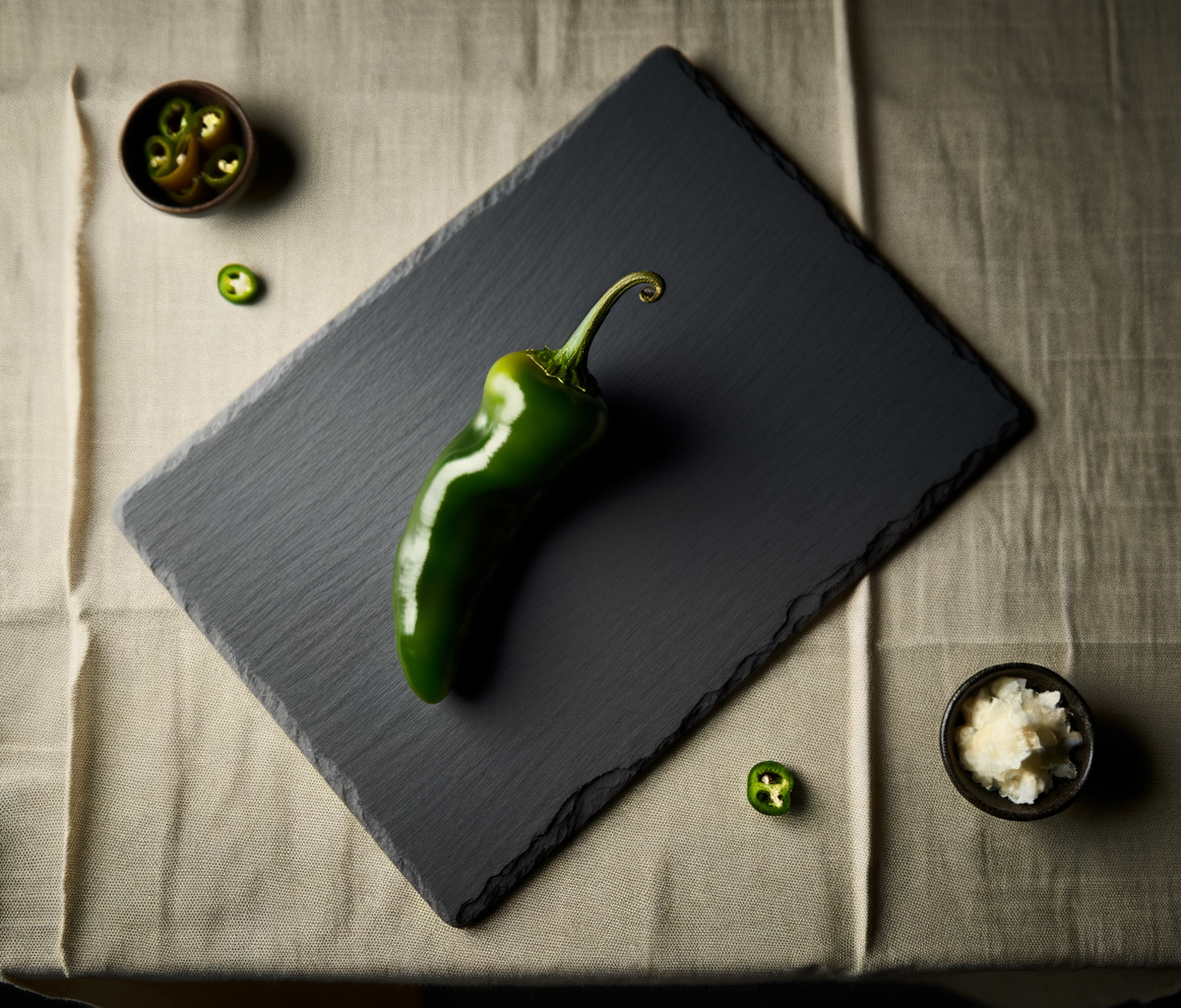
For gardeners in northern climates or anyone who simply can't wait for peppers, the Early Jalapeño is a game-changer. This variety matures in just 60 to 65 days after transplanting — roughly two weeks faster than standard jalapeños. That might not sound like much, but in regions with short growing seasons, those extra two weeks can be the difference between a bountiful harvest and a race against the first frost.
Why Early Jalapeños Exist
Standard jalapeños typically need 70 to 80 days after transplanting to produce ripe fruit, and they prefer long, warm growing seasons. Gardeners in USDA zones 3 through 5 — think Minnesota, Vermont, Montana, and similar northern states — often struggle to get full jalapeño harvests before cool fall weather shuts down production.
The Early Jalapeño was bred to solve this problem. By selecting for faster maturity without sacrificing flavor or heat, plant breeders created a variety that gives northern gardeners reliable jalapeño harvests every year.
Heat and Flavor
Early Jalapeños deliver genuine jalapeño heat, typically ranging from 2,500 to 5,000 SHU on the Scoville scale. This places them at the mild-to-medium end of the jalapeño spectrum. They're slightly milder on average than a standard jalapeño, which can reach 8,000 SHU, but they still pack a solid, satisfying kick.
The flavor is classic jalapeño — bright, grassy, and vegetal with a clean pepper taste. Some growers report that Early Jalapeños have a slightly less complex flavor than varieties that mature more slowly, but the difference is subtle. For all practical cooking purposes, they're interchangeable with standard jalapeños.
Growing Early Jalapeños
The growing process is nearly identical to standard jalapeños, with the key advantage being the compressed timeline.
Starting seeds: Begin indoors 8 to 10 weeks before your last frost date. This is the same timing as standard jalapeños — the time savings come during the fruiting phase, not germination. Seeds germinate in 10 to 14 days at 75 to 85 degrees Fahrenheit.
Transplanting: Move seedlings outdoors after all frost danger has passed. Early Jalapeños tolerate slightly cooler conditions than some other varieties, though they still need daytime temperatures consistently above 65 degrees to thrive.
Spacing: Plant 14 to 18 inches apart. Early Jalapeño plants tend to be slightly more compact than standard varieties, so they work well in smaller gardens and containers.
Care: Full sun (6 to 8 hours minimum), consistent watering, and a balanced fertilizer every two to three weeks. The rapid maturation means the plant needs steady nutrition to support fast fruit development.
Harvest: The magic number is 60 to 65 days after transplanting. Harvest when peppers are firm, dark green, and 2 to 3 inches long. Don't wait for them to reach the size of larger varieties like the Mucho Nacho — Early Jalapeños are naturally a bit smaller.
Size and Appearance
Early Jalapeños produce peppers that are slightly smaller than standard jalapeños, typically 2 to 3 inches long. They have the same smooth, dark green skin and thick walls. The trade-off for faster maturity is modestly smaller fruit, though the plants compensate by being prolific producers.
The plants themselves are compact, usually reaching 18 to 24 inches tall. This smaller stature makes them excellent container peppers and good candidates for raised beds where space is at a premium.
Best Uses
Early Jalapeños work in every application where you'd use a standard jalapeño:
- Salsas and green sauces — Same great flavor in your favorite recipes
- Pickling — The smaller, uniform size actually makes them ideal for pickling whole or in rings
- Poppers — They're a bit smaller than ideal for stuffing, but still workable
- Diced into recipes — Cornbread, mac and cheese, chili, scrambled eggs
- Fresh on sandwiches — Sliced rings add the perfect kick
- Chipotle smoking — Works just as well as standard jalapeños, producing slightly smaller chipotles
Early Jalapeño vs. Standard Jalapeño
| Feature | Early Jalapeño | Standard Jalapeño |
|---|---|---|
| Days to harvest | 60–65 | 70–80 |
| Size | 2–3 inches | 2–3.5 inches |
| Heat (SHU) | 2,500–5,000 | 2,500–8,000 |
| Plant height | 18–24 inches | 24–36 inches |
| Yield | Good to high | High |
| Best for | Short seasons | All climates |
| Flavor | Classic jalapeño | Classic jalapeño |
Who Should Grow Early Jalapeños?
This variety is ideal for:
- Northern gardeners in USDA zones 3 to 5 who need faster maturity
- Impatient gardeners who want jalapeños as soon as possible
- Container growers who appreciate the compact plant size
- Succession planters who want multiple harvests per season — plant a new batch every 3 weeks
- First-time pepper growers who want a forgiving, fast-producing variety
Maximizing Your Short-Season Harvest
For the absolute earliest possible jalapeños, combine Early Jalapeño seeds with these strategies:
- Start seeds early — Begin indoors 10 to 12 weeks before last frost instead of the standard 8
- Use a heat mat — Warm soil speeds germination by several days
- Harden off gradually — Start acclimating seedlings to outdoor conditions a week before transplanting
- Use black plastic mulch — This warms the soil and can advance your harvest by another week
- Consider season extenders — Row covers or cold frames let you transplant a week or two earlier
With these techniques, gardeners in zone 5 can be harvesting jalapeños by late June or early July.
Seed Availability
Early Jalapeño seeds are widely available from major seed companies and garden centers. They're one of the more popular jalapeño varieties, so you shouldn't have trouble finding them. Look for them from Burpee, Ferry-Morse, and most online seed retailers.
Unlike some specialty jalapeño varieties, Early Jalapeño seeds are typically open-pollinated, which means you can save seeds from your best plants to grow next year. This is a nice advantage over hybrid varieties that don't breed true from saved seed.
For a comparison with another popular compact variety, check out our guide to the bell pepper, which shares the Early Jalapeño's container-friendly size.
More from the Blog
Carolina Reaper: The World's Hottest Pepper
Everything you need to know about the Carolina Reaper, including its Scoville rating, flavor profile, growing tips, and safety precautions.
BlogTAM Jalapeño: The Mild Jalapeño Bred for Less Heat
The TAM jalapeño was specifically bred at Texas A&M University to deliver classic jalapeño flavor with significantly less heat. Learn about this mild variety's history, growing tips, and best uses.
BlogPurple Jalapeño Pepper: Growing the Most Beautiful Jalapeño
The purple jalapeño is a stunning ornamental-meets-culinary pepper that produces deep violet fruits. Learn how to grow this eye-catching jalapeño variety and what it tastes like.