Purple Jalapeño Pepper: Growing the Most Beautiful Jalapeño
The purple jalapeño is a stunning ornamental-meets-culinary pepper that produces deep violet fruits. Learn how to grow this eye-catching jalapeño variety and what it tastes like.
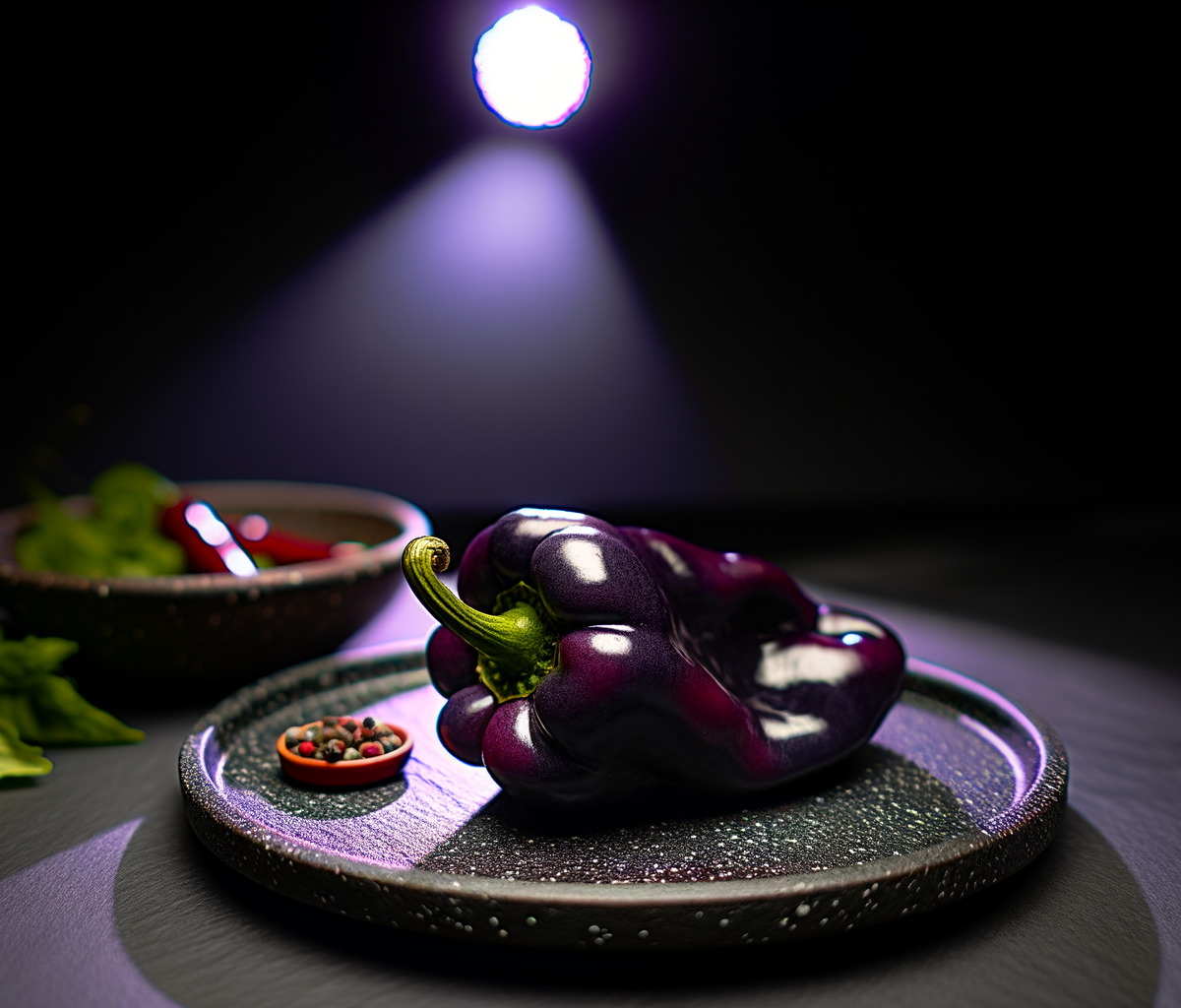
Few peppers turn heads in the garden quite like the purple jalapeño. With its deep violet fruits, dark-tinged foliage, and purple-streaked stems, this variety is as much a showpiece as it is a culinary ingredient. But don't let its beauty fool you — the purple jalapeño is a fully functional, flavorful pepper with real jalapeño heat. Here's everything you need to know about growing and cooking with this gorgeous variety.
What Is the Purple Jalapeño?
The purple jalapeño is a naturally bred variety of Capsicum annuum that produces peppers with deep purple to nearly black skin. It's not a separate species — it's a jalapeño through and through, just with elevated anthocyanin pigments that create the striking purple color. These are the same pigments found in blueberries, red cabbage, and eggplant.
The peppers start green, turn deep purple as they mature, and eventually ripen to a dark red if left on the plant long enough. The purple stage is when most growers harvest them, both for visual impact and because the flavor is excellent at this point.
Heat and Flavor
Purple jalapeños deliver heat comparable to a standard jalapeño, typically ranging from 2,500 to 8,000 SHU on the Scoville scale. Some growers report that purple jalapeños trend toward the middle-to-upper end of this range, but the difference isn't dramatic.
Flavor-wise, purple jalapeños taste like jalapeños — bright, grassy, and vegetal with that familiar clean pepper character. At the purple stage, some people detect a very slight sweetness that standard green jalapeños lack. When fully ripe to red, they develop more pronounced sweetness similar to any red-ripe jalapeño.
Growing Purple Jalapeños
Purple jalapeños are just as easy to grow as standard jalapeños, with the added reward of a visually stunning plant.
Starting seeds: Begin indoors 8 to 10 weeks before your last expected frost. Purple jalapeño seeds germinate in 10 to 21 days at soil temperatures of 75 to 85 degrees Fahrenheit. They can be slightly slower to germinate than standard varieties.
Soil and sun: Full sun is essential — at least 6 to 8 hours daily. Strong sunlight actually intensifies the purple coloring, so don't skimp on sun exposure. Use well-draining soil amended with compost. A slightly acidic to neutral pH (6.0 to 7.0) is ideal.
Spacing: Plant seedlings 14 to 18 inches apart in the garden or use one plant per 5-gallon container. Purple jalapeños make exceptional container plants thanks to their ornamental value.
Watering: Consistent moisture is important. Water deeply when the top inch of soil is dry, but avoid waterlogging. Inconsistent watering can cause blossom end rot and may affect pepper color development.
Fertilizing: Feed with a balanced fertilizer at transplanting, then switch to a lower-nitrogen, higher-phosphorus formula once flowering begins to encourage fruit production.
Harvest timing: Peppers are ready to pick when they've turned fully purple and are firm to the touch, usually 75 to 85 days after transplanting. For the most dramatic color, harvest at peak purple. For sweeter flavor, wait until they begin turning red.
The Ornamental Appeal
What sets the purple jalapeño apart from other varieties is its landscaping potential. The entire plant is attractive — the foliage has a dark green to purple tint, stems show purple streaking, and the flowers have a purple hue. When loaded with dark purple fruits, a mature plant is genuinely beautiful.
This makes purple jalapeños perfect for:
- Container gardens on patios and balconies where you want visual interest
- Mixed ornamental beds alongside flowers
- Kitchen garden borders as an edible edging plant
- Gift plants for gardeners who appreciate unusual varieties
Best Culinary Uses
Purple jalapeños can be used anywhere you'd use a standard jalapeño:
- Fresh salsas — The purple skin adds visual flair to pico de gallo
- Stuffed peppers — Purple jalapeño poppers are a conversation starter
- Pickled — They lose some purple color in the brine but still look unique
- Sliced on dishes — Purple rings on nachos, tacos, and burgers look stunning
- Green sauce — Works just as well, though the color will be different
- Grilled — Beautiful charred purple skin on kebabs
Note that cooking at high temperatures can cause the purple color to fade or shift toward green or brown. For maximum visual impact, use purple jalapeños raw or with minimal cooking.
Purple Jalapeño vs. Standard Jalapeño
| Feature | Purple Jalapeño | Standard Jalapeño |
|---|---|---|
| Heat (SHU) | 2,500–8,000 | 2,500–8,000 |
| Flavor | Grassy, slightly sweet | Grassy, vegetal |
| Color | Purple to red | Green to red |
| Days to harvest | 75–85 | 65–80 |
| Plant appearance | Purple-tinted foliage | Green foliage |
| Ornamental value | High | Moderate |
| Seed availability | Specialty catalogs | Everywhere |
Where to Find Seeds
Purple jalapeño seeds are available from specialty seed companies and online retailers. Look for them under names like "Purple Jalapeño," "Purple Beauty Jalapeño," or simply "Purple Hot Pepper." Baker Creek Heirloom Seeds, Pepper Joe's, and Refining Fire Chiles are reliable sources.
You won't find purple jalapeños at typical grocery stores. Growing your own is really the only way to enjoy them, which makes them a special treat for home gardeners.
Companion Planting
Purple jalapeños pair well with the same companions as standard jalapeños: basil, tomatoes, carrots, and marigolds. Avoid planting near fennel or kohlrabi. The purple plants create a particularly beautiful visual contrast when planted alongside bright green basil or yellow marigolds.
For other jalapeño varieties to consider growing alongside your purple plants, look into the standard jalapeño for reliable production and the poblano for a milder companion pepper.
More from the Blog
Carolina Reaper: The World's Hottest Pepper
Everything you need to know about the Carolina Reaper, including its Scoville rating, flavor profile, growing tips, and safety precautions.
BlogTAM Jalapeño: The Mild Jalapeño Bred for Less Heat
The TAM jalapeño was specifically bred at Texas A&M University to deliver classic jalapeño flavor with significantly less heat. Learn about this mild variety's history, growing tips, and best uses.
BlogMucho Nacho Jalapeño: The Giant Jalapeño Perfect for Stuffing
The Mucho Nacho jalapeño produces peppers up to 4 inches long — significantly larger than standard jalapeños. Learn why this jumbo variety is perfect for poppers and stuffed peppers.