How Many Jalapeños Does One Plant Produce?
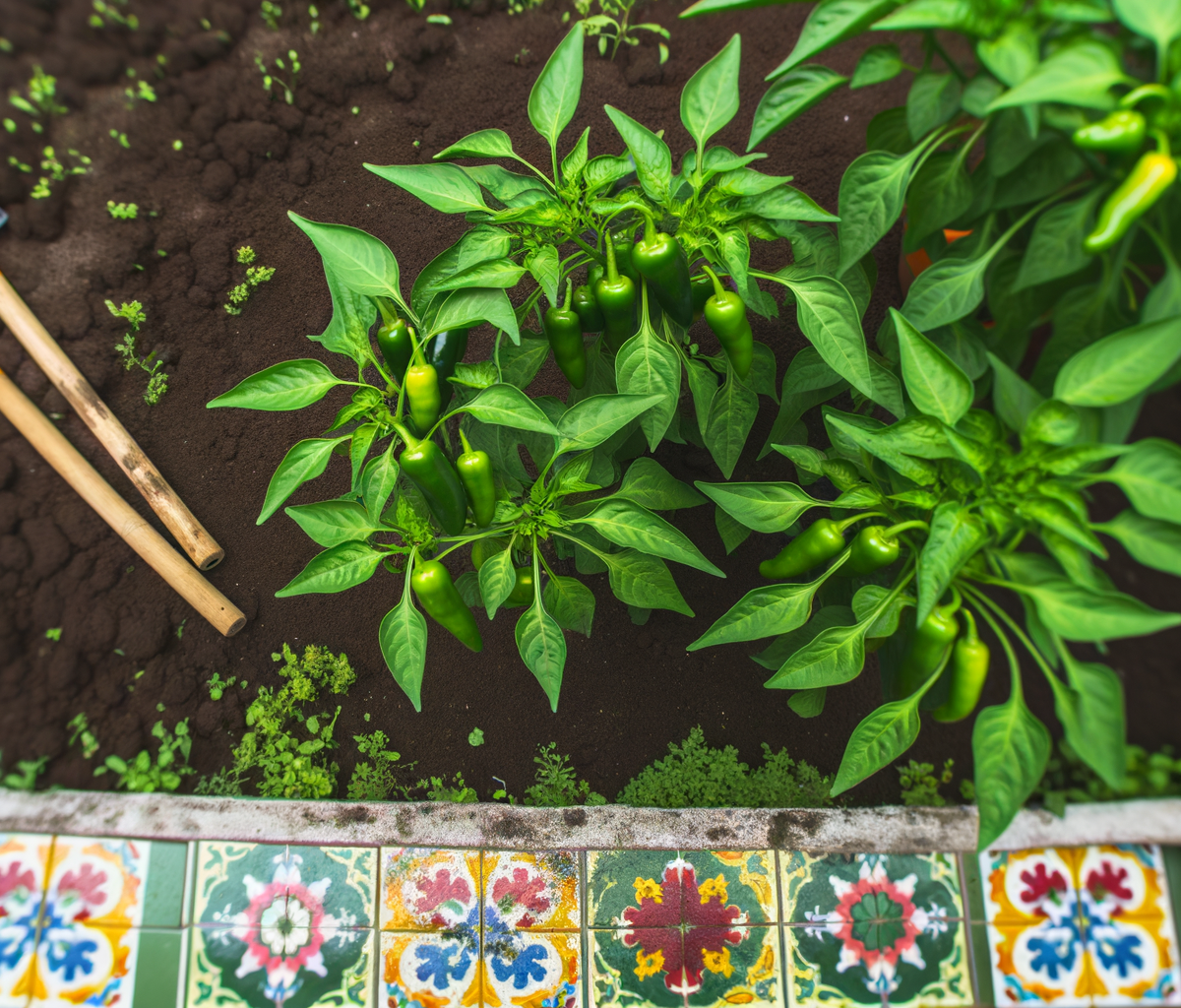
A single jalapeño plant typically produces 25 to 35 peppers per season, but yields of 50 or more are possible with optimal care and growing conditions.
How Many Jalapeños Does One Plant Produce?
A healthy jalapeño plant grown under good conditions will produce between 25 and 35 peppers over the course of a single growing season. With excellent care, optimal sunlight, and consistent feeding, some gardeners report harvesting 50 or more peppers from a single plant. The wide range comes down to several controllable factors including soil quality, watering consistency, fertilizer, sunlight exposure, and how often you harvest ripe fruit.
Understanding what drives yield helps you set realistic expectations and maximize your harvest. Whether you're growing one plant on a balcony or twenty in a backyard garden, the same principles apply.
Average Yield by Growing Conditions
Not all growing situations produce the same results. Here's what to expect based on your setup:
| Growing Conditions | Expected Yield Per Plant |
|---|---|
| Minimal care, poor soil | 10–15 peppers |
| Average garden care | 25–35 peppers |
| Optimized care, ideal conditions | 40–50+ peppers |
| Greenhouse or extended season | 50–75+ peppers |
These numbers assume a standard jalapeño variety like Early Jalapeño or Jalapeño M. Smaller varieties may produce more individual fruits, while larger varieties like Jalapeño Gigante produce fewer but bigger peppers.
Factors That Increase Yield
Sunlight
Jalapeños need at least 6 to 8 hours of direct sunlight per day. Plants receiving the full 8 hours consistently outperform those in partial shade. Southern exposure is ideal in the Northern Hemisphere. Our soil, water, and sunlight guide covers site selection in detail.
Consistent Watering
Irregular watering is one of the most common yield killers. Jalapeños need about 1 to 2 inches of water per week, delivered deeply and consistently. Drought stress causes blossom drop, where flowers fall off before setting fruit. Overwatering leads to root rot. The sweet spot is keeping soil evenly moist but never waterlogged.
Proper Fertilization
Jalapeños are moderate feeders. Start with a balanced fertilizer when transplanting, then switch to a formula higher in phosphorus and potassium once flowering begins. Too much nitrogen encourages leafy growth at the expense of fruit production. Feed every 2 to 3 weeks during the growing season. See our fertilizer guide for specific product recommendations and schedules.
Frequent Harvesting
This is the single easiest way to boost your total yield. When you leave ripe peppers on the plant, it signals the plant that its reproductive job is done and it slows flower production. Picking peppers as soon as they reach full size — typically 3 to 4 inches — tells the plant to keep producing. Check your plants every 2 to 3 days during peak season and harvest anything that's ready.
Container Size
If you're growing in containers, size matters significantly. A jalapeño in a 2-gallon pot might produce 10 to 15 peppers. The same plant in a 5-gallon pot could produce 25 to 35. A 10-gallon container with rich soil can support yields of 40 or more. Our container growing guide explains how to maximize production in pots.
Factors That Reduce Yield
Temperature Extremes
Jalapeños set fruit best when daytime temperatures are between 70°F and 85°F. Above 90°F, pollen becomes less viable and flowers may drop without setting fruit. This is called heat-induced blossom drop. Below 55°F at night, growth slows dramatically. If you live in a region with extreme summer heat, expect a midsummer lull in production with a rebound in early fall.
Poor Pollination
Jalapeño flowers are self-pollinating, but they still benefit from wind and insect activity to move pollen effectively. Plants grown indoors or in very sheltered locations may have pollination issues. Gently shaking plants or using a small paintbrush to transfer pollen between flowers can help.
Overcrowding
Planting jalapeños too close together reduces air circulation, increases disease pressure, and forces plants to compete for nutrients and water. Space plants 14 to 18 inches apart for best results.
Pest and Disease Pressure
Aphids, hornworms, and bacterial leaf spot can all reduce yields significantly. Catch problems early by inspecting plants regularly. Our pests and diseases guide covers prevention and treatment.
How to Track Your Harvest
Keeping a simple harvest log helps you understand your plants' productivity and identify what's working. Record the date, number of peppers picked, and approximate weight. Over a full season, you'll see production ramp up in midsummer, potentially dip during the hottest weeks, and then surge again in early fall before tapering off.
A typical production timeline looks like this:
- Weeks 1–2 after first fruit: 2–5 peppers per pick
- Peak production (weeks 3–8): 5–10 peppers per pick, every 3–4 days
- Late season (weeks 9–12): 2–4 peppers per pick, slowing gradually
How Many Plants Do You Need?
For a household that uses jalapeños regularly in cooking, 2 to 4 plants is usually sufficient for fresh use. If you plan to make hot sauce, pickle jalapeños, or preserve them, you'll want 6 to 10 plants or more. Here's a rough guide:
| Use Case | Recommended Plants |
|---|---|
| Occasional fresh use | 1–2 plants |
| Regular cooking | 3–4 plants |
| Salsa and pickling | 5–8 plants |
| Hot sauce production | 8–12+ plants |
One healthy plant producing 30 peppers at roughly 1 ounce each gives you nearly 2 pounds of jalapeños per season. Ten plants under good conditions could yield 15 to 20 pounds total.
Frequently Asked Questions
Do jalapeño plants produce more in their second year?
Jalapeños are perennial in frost-free climates and can be overwintered indoors in colder regions. Second-year plants often produce earlier and more heavily because they have established root systems. However, most gardeners in temperate climates grow them as annuals since overwintering requires effort and space.
Will pruning increase my jalapeño yield?
Topping young jalapeño plants — pinching off the growing tip when they reach 8 to 10 inches tall — encourages branching and can lead to more flower sites. This may delay your first harvest by a week or two but often increases total yield by 10 to 20 percent.
Why is my jalapeño plant flowering but not producing fruit?
The most common causes are temperature extremes, poor pollination, or over-fertilization with nitrogen. If daytime temps exceed 90°F or drop below 60°F, blossom drop is likely. Try gently shaking plants to improve pollination and reduce nitrogen in your fertilizer.
How long does a jalapeño plant keep producing?
In temperate climates, jalapeño plants produce from midsummer until the first frost, typically a 3 to 4 month window. In tropical or subtropical climates, plants can produce year-round. Greenhouse growers can extend production to 8 months or more with supplemental lighting and heat.
More from the Blog
How to Grow Jalapeños Indoors: Complete Apartment Guide
Everything you need to know about growing jalapeño peppers indoors, from choosing the right containers and soil to hand-pollination and harvesting in your apartment.
BlogWhy Are My Jalapeño Leaves Turning Yellow? 7 Causes & Fixes
Yellowing jalapeño leaves are usually caused by overwatering, nutrient deficiencies, or pest damage. Here are 7 common causes and exactly how to fix each one.
BlogWhen to Pick Jalapeños: The Perfect Harvest Timing Guide
Learn exactly when to pick jalapeños for the best flavor and heat. Covers visual cues like size, color, and corking to help you harvest at the perfect time.