How to Make Jalapeño Cream Sauce for Pasta and Tacos
This versatile jalapeño cream sauce takes 15 minutes to make and works beautifully on pasta, tacos, grilled chicken, rice bowls, and more.
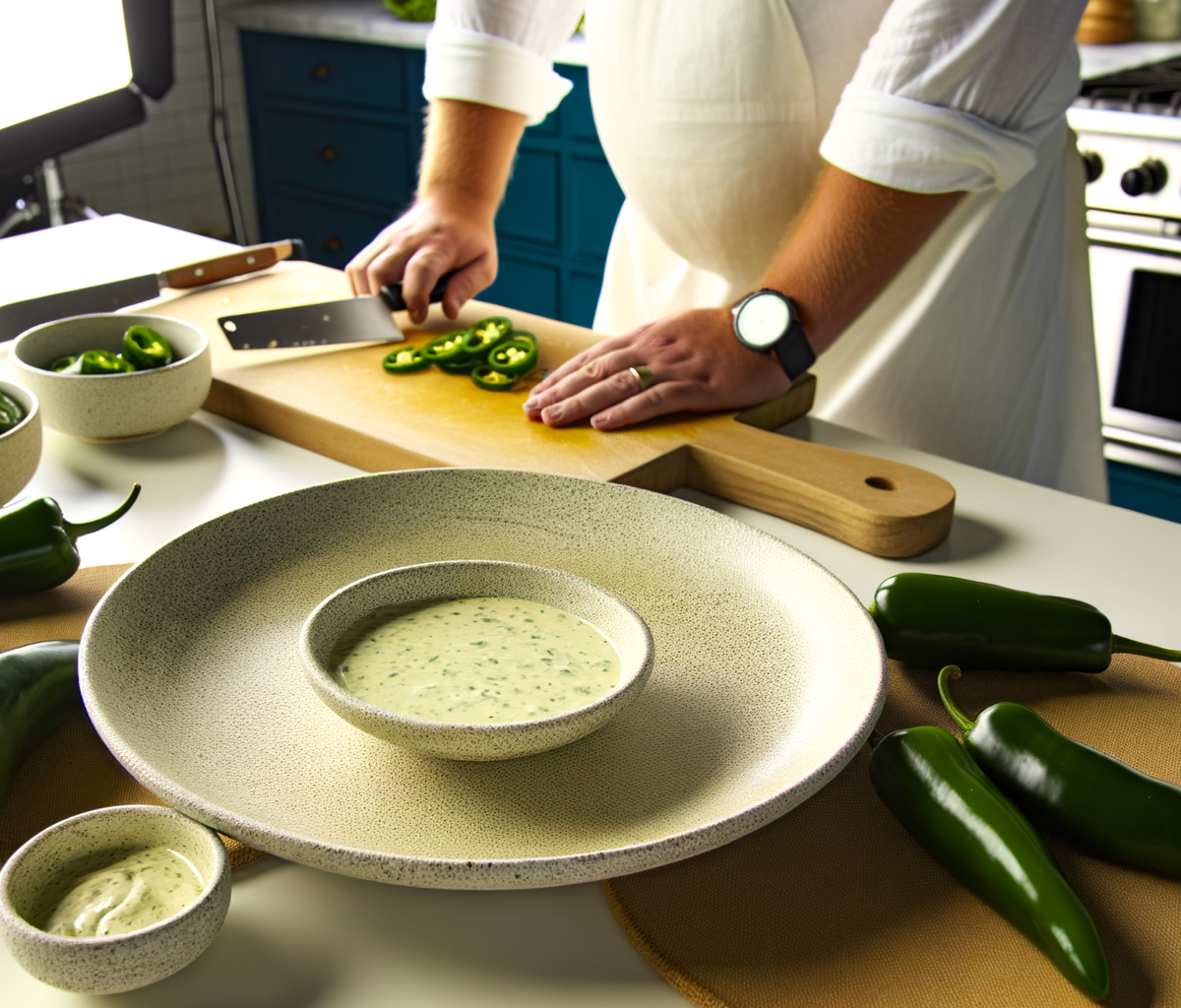
How to Make Jalapeño Cream Sauce for Pasta and Tacos
Jalapeño cream sauce is one of those recipes that sounds fancy but takes about 15 minutes and requires just a handful of ingredients. It's a creamy, mildly spicy sauce with a vibrant green color that works on practically everything — toss it with pasta, drizzle it over tacos, spoon it onto grilled chicken, or use it as a dip. Once you learn the base recipe, you can adjust the heat, thickness, and flavor in countless ways.
The foundation is simple: sautéed jalapeños blended with a cream base and aromatics. The jalapeños provide heat and a bright, grassy pepper flavor that cuts through the richness of the cream. The result is balanced, flavorful, and adaptable to dozens of dishes.
Base Recipe: Classic Jalapeño Cream Sauce
Yield: About 1.5 cups (enough for 1 pound of pasta or 8 to 10 tacos)
Time: 15 minutes
Ingredients
- 4 medium jalapeños, stems removed, roughly chopped (seeds removed for mild, kept for medium heat)
- 1 tablespoon olive oil or butter
- 3 cloves garlic, minced
- 1 cup heavy cream
- 1/4 cup chicken or vegetable broth
- 1/4 cup fresh cilantro leaves (optional)
- 1 tablespoon lime juice
- 1/2 teaspoon cumin
- Salt to taste (start with 1/2 teaspoon)
Instructions
Sauté the jalapeños: Heat olive oil or butter in a medium saucepan over medium heat. Add the chopped jalapeños and cook for 3 to 4 minutes, stirring occasionally, until they soften and develop light golden spots
Add garlic: Add the minced garlic and cook for 30 seconds until fragrant. Don't let it brown
Add liquids: Pour in the heavy cream and broth. Bring to a gentle simmer — not a full boil — and cook for 5 minutes. The cream will thicken slightly and absorb the jalapeño flavor
Blend: Transfer the mixture to a blender. Add cilantro, lime juice, cumin, and salt. Blend on high for 30 to 60 seconds until completely smooth. The sauce should be pourable but coat the back of a spoon
Adjust: Taste and add more salt, lime juice, or heat as needed. If the sauce is too thick, thin with a tablespoon of broth at a time. If too thin, return to the pan and simmer for 2 to 3 more minutes
Variations and Customizations
Hotter Version
Keep the jalapeño seeds and ribs in, or add one serrano pepper to the sauté. For serious heat, add half a habanero — but be careful, a little habanero goes a long way.
Milder Version
Remove all seeds and ribs from the jalapeños, or substitute 2 of the 4 jalapeños with Anaheim peppers or poblano peppers for a gentler warmth.
Dairy-Free Version
Replace heavy cream with full-fat coconut cream. The coconut flavor is subtle and works surprisingly well with the jalapeño and lime. You can also use cashew cream — blend 1 cup soaked raw cashews with 1/2 cup water until smooth.
Roasted Jalapeño Version
For deeper, smokier flavor, roast the jalapeños under a broiler or char them on a gas stove before making the sauce. The charring adds complexity that's especially good in taco applications. You can also use chipotle peppers (smoked dried jalapeños) for an intensely smoky variation.
Cheesy Jalapeño Sauce
After blending, return the sauce to the pan over low heat and stir in 1/2 cup shredded Monterey Jack, Pepper Jack, or sharp white cheddar. Stir until melted and smooth. This version is thicker and richer — perfect for nachos, baked potatoes, and mac and cheese.
Best Pairings
Pasta
Toss the sauce with freshly cooked penne, rigatoni, or fettuccine. Add grilled chicken or shrimp and a squeeze of lime. Top with crumbled cotija cheese and cilantro. This is the dish that converts people who think jalapeño cream sauce is "just for Mexican food."
Tacos
Drizzle over any taco — fish, shrimp, carnitas, chicken, or roasted vegetable. The sauce replaces multiple condiments at once, adding creaminess, acidity, and heat in every drizzle.
Grilled Meats
Spoon over grilled chicken breasts, steak, or pork chops. The sauce acts like a flavored compound butter, melting slightly from the heat of the meat and creating a rich, spicy glaze.
Rice and Grain Bowls
Drizzle over rice bowls with black beans, corn, avocado, and grilled protein. The sauce ties all the components together.
Eggs
Drizzle over scrambled eggs, omelets, huevos rancheros, or breakfast burritos. The combination of creamy eggs and spicy sauce is outstanding.
As a Dip
Serve warm alongside tortilla chips, raw vegetables, or breadsticks. For a party dip, make the cheesy version and keep it warm in a small slow cooker.
Storage and Make-Ahead Tips
Jalapeño cream sauce stores and reheats well:
- Refrigerator: Store in an airtight container for up to 5 days. The sauce will thicken as it cools — thin with a splash of cream or broth when reheating
- Freezer: Freeze in ice cube trays, then transfer frozen cubes to a freezer bag. Keeps for up to 3 months. Thaw in the refrigerator overnight or defrost in a saucepan over low heat
- Reheating: Warm gently over medium-low heat, stirring frequently. Don't boil or the cream may separate. Add a splash of liquid if needed to restore consistency
Troubleshooting
Sauce is too thin: Return to the pan and simmer for 3 to 5 minutes to reduce. Alternatively, blend in 2 tablespoons of cream cheese for instant thickening.
Sauce is too thick: Add broth or cream one tablespoon at a time until you reach the desired consistency.
Not enough jalapeño flavor: The cream can mute the pepper flavor. Add a tablespoon of the classic jalapeño green sauce or blend in one additional raw jalapeño for brightness.
Sauce separated after reheating: You likely boiled it. Rescue by blending again with a tablespoon of cold cream — the emulsion usually comes back together.
Too spicy: Stir in an extra 2 tablespoons of heavy cream or a tablespoon of sour cream. Dairy proteins (casein) bind to capsaicin and reduce perceived heat. A pinch of sugar also helps balance.
Nutritional Information (Per 1/4 Cup Serving)
| Nutrient | Amount |
|---|---|
| Calories | 145 |
| Fat | 14g |
| Saturated Fat | 8g |
| Carbohydrates | 3g |
| Protein | 1g |
| Sodium | 180mg |
Frequently Asked Questions
Can I use canned jalapeños instead of fresh?
You can, but the flavor will be different. Canned (pickled) jalapeños add a vinegary tang that changes the sauce profile. If using canned, reduce the lime juice to 1 teaspoon and skip the sautéing step — just blend the drained jalapeños directly with the simmered cream.
How do I make the sauce bright green?
The cilantro is the key to a vibrant green color. Without it, the sauce will be a muted pale green. For even brighter color, add a small handful of fresh spinach leaves to the blender — they add color without changing the flavor noticeably.
Can I make this sauce ahead for a dinner party?
Absolutely. Make the sauce up to 2 days ahead and refrigerate. Reheat gently on the stove, adding a splash of cream to restore consistency. It actually benefits from resting as the flavors meld together in the refrigerator.
What if I don't have a blender?
An immersion (stick) blender works well — just blend directly in the saucepan. A food processor also works but may not get the sauce as silky smooth. In a pinch, you can mince the jalapeños very finely instead of blending, though the texture will be chunkier rather than smooth.
More from the Blog
How to Roast Jalapeños: 4 Methods Compared
From oven broiler to air fryer, here are four tried-and-true methods for roasting jalapeños to smoky, blistered perfection — with temps, times, and pros and cons for each.
BlogHow to Reduce Jalapeño Heat Without Losing Flavor
Too much jalapeño burn? These six techniques tame the heat while keeping the pepper flavor you love — from seed removal to acid balancing and smart substitutions.
BlogHow to Make Chipotles at Home: Smoke Your Own Jalapeños
Turn ripe red jalapeños into rich, smoky chipotles at home using a smoker, charcoal grill, or even your oven. Plus, learn how to make your own adobo sauce from scratch.