How to Overwinter Jalapeño Plants Successfully
Jalapeño plants are perennials that can survive winter indoors with the right care. Learn how to prune, transition, and maintain your plants through the cold months for a faster harvest next year.
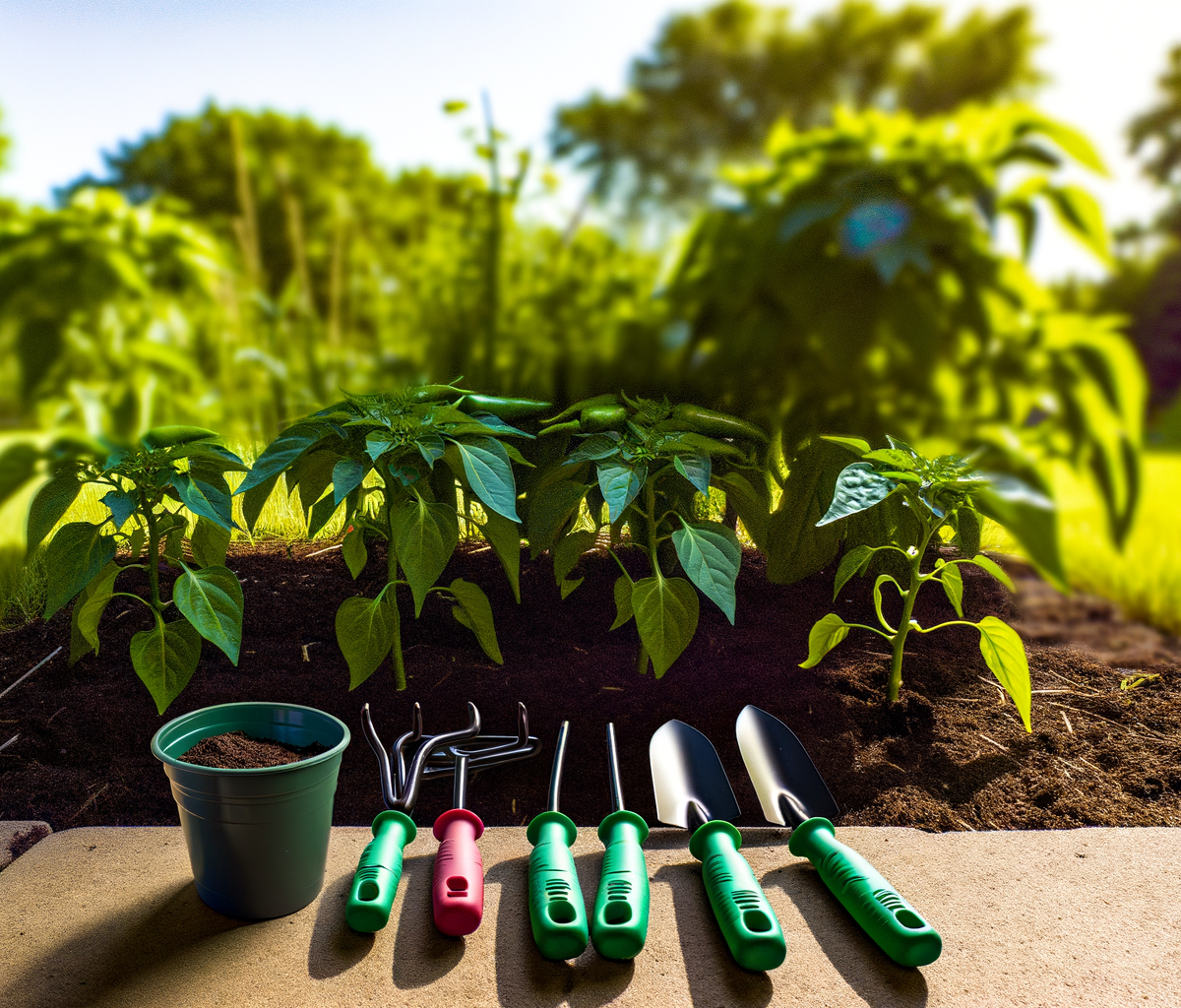
How to Overwinter Jalapeño Plants Successfully
Most gardeners treat jalapeño plants as annuals — grow them for one season, then pull them out and start fresh in spring. But jalapeños are actually short-lived perennials that can survive for 3 to 5 years if protected from freezing temperatures. Overwintering your jalapeño plants means bringing them indoors before the first frost and keeping them alive in a dormant or semi-dormant state until spring.
Why bother? An overwintered plant has a massive root system already in place. When spring arrives, it doesn't need to spend weeks building roots and stems from scratch. Instead, it explodes with new growth and can begin producing peppers 4 to 8 weeks earlier than a plant started from seed.
When to Bring Plants Inside
Timing is critical. You need to bring your jalapeño plants indoors before nighttime temperatures drop below 50°F (10°C) consistently. A single hard frost at 32°F (0°C) will kill the plant outright.
Watch your local forecast starting in early fall. The ideal window is when nighttime lows are between 50–55°F (10–13°C). This gives you time to transition the plant before cold damage occurs.
If your plants are in the ground rather than containers, you'll need to dig them up carefully, preserving as much of the root ball as possible, and pot them into containers at least 5 gallons in size.
Step 1: Inspect and Clean
Before bringing any plant indoors, thoroughly inspect it for pests. Aphids, spider mites, and whiteflies love to hitch a ride inside where they'll thrive without natural predators.
- Check the undersides of all leaves
- Look along stems and branch joints
- Inspect the soil surface for fungus gnats
Spray the entire plant with insecticidal soap or a neem oil solution. Let it dry completely before bringing it inside. If you find significant pest problems, treat them over the course of a week before the move. Our pests and diseases guide covers identification and treatment options.
Step 2: Prune Hard
This step feels brutal but it's essential. Cut the plant back to 6 to 8 inches tall, leaving just the main stem and a few primary branch nodes. Remove all remaining peppers, flowers, and most of the foliage.
Why prune so aggressively? The plant can't support a full canopy of leaves in low-light indoor conditions. Trying to keep all the foliage leads to leggy, weak growth and increased susceptibility to pests and disease. Hard pruning forces the plant into a controlled dormancy.
Use clean, sharp pruning shears. Make cuts just above a leaf node — that's where new growth will emerge in spring.
Step 3: Choose the Right Overwintering Spot
You have two main approaches: active overwintering (keeping the plant growing slowly) or dormant overwintering (letting it go mostly dormant). The dormant approach is easier and more reliable for most gardeners.
Dormant Overwintering
Place the pruned plant in a cool, dimly lit location such as:
- An unheated garage that stays above 40°F (4°C)
- A cool basement
- A spare room kept at 50–60°F (10–15°C)
The plant doesn't need much light in this state — a nearby window or even ambient room light is sufficient. The goal is to keep it alive, not actively growing.
Active Overwintering
If you want to keep the plant producing (slowly) through winter, place it under grow lights providing 12 to 14 hours of light daily in a warm room at 65–75°F (18–24°C). This approach requires more attention but can yield a small winter harvest. It works especially well for plants in containers that are already sized appropriately.
Step 4: Adjust Watering Dramatically
This is where most people fail at overwintering. A dormant plant needs very little water — far less than you think.
- Water only when the soil is completely dry at least 2 inches deep
- For most dormant plants, this means watering once every 2 to 3 weeks
- Use room-temperature water and don't let the pot sit in standing water
- Actively overwintered plants need slightly more, roughly once a week
Overwatering dormant plants is the number one killer. The roots are barely active and can't process excess moisture, leading to root rot.
Step 5: Stop Fertilizing
Dormant plants need zero fertilizer from November through February. The plant isn't growing and can't use the nutrients, which build up as harmful salts in the soil. For actively overwintered plants, feed lightly once a month with quarter-strength balanced fertilizer at most.
Step 6: Monitor Through Winter
Check on your plants weekly. Some leaf drop is normal — total defoliation is fine as long as stems are green and firm. Scratch a small area of bark with your fingernail to check: green means alive, brown and dry means that branch should be pruned off. Watch for pests and mold on the soil surface, and treat immediately if spotted.
Step 7: Spring Transition
This is the most rewarding part. Around 6 to 8 weeks before your last expected frost date, begin waking your plant up.
- Move the plant to a warm, brightly lit location or under grow lights
- Increase temperature to 70–75°F (21–24°C)
- Water thoroughly and begin a regular watering schedule
- Start feeding with a balanced fertilizer at half strength
- Within 1 to 2 weeks, you should see new green shoots emerging from the nodes
Once new growth is 2 to 3 inches long, gradually harden off the plant over 7 to 10 days before moving it back outside permanently. Start with 1 to 2 hours of outdoor time in a sheltered spot, increasing daily. For full hardening off details, see our starting from seed guide which covers the transition process.
Is Overwintering Worth the Effort?
For most home gardeners, yes. The time investment is minimal — maybe 15 minutes per week during winter. In return, you get:
- Peppers 4 to 8 weeks earlier in the season
- A larger, more productive plant from day one
- No need to start seeds or buy transplants
- The satisfaction of a multi-year pepper plant
The one caveat is that overwintered plants can become more susceptible to disease over multiple years. If a plant looks chronically unhealthy in its third or fourth year, it may be time to start fresh.
FAQ
How cold can a jalapeño plant survive indoors?
An overwintered jalapeño can tolerate temperatures as low as 40°F (4°C) for short periods but will die if exposed to freezing temperatures of 32°F (0°C) or below. Aim to keep the plant above 45°F (7°C) throughout winter.
Will an overwintered jalapeño produce as many peppers as a new plant?
Generally more. Second-year plants often produce 30 to 50% more fruit than first-year plants because of their established root system and larger framework. Production typically peaks in years 2 and 3.
Can I overwinter a jalapeño plant that was grown in the ground?
Yes, but you'll need to dig it up, pot it, and give it a week or two to recover from transplant shock before bringing it inside. Dig a wide root ball to minimize root damage.
My overwintered plant looks dead — is it?
Possibly not. Scratch the main stem with your fingernail. If you see green tissue underneath the bark, the plant is alive. Give it warmth, light, and water, and wait 2 to 3 weeks for new growth to appear before giving up.
More from the Blog
How to Grow Jalapeños Indoors: Complete Apartment Guide
Everything you need to know about growing jalapeño peppers indoors, from choosing the right containers and soil to hand-pollination and harvesting in your apartment.
BlogWhy Are My Jalapeño Leaves Turning Yellow? 7 Causes & Fixes
Yellowing jalapeño leaves are usually caused by overwatering, nutrient deficiencies, or pest damage. Here are 7 common causes and exactly how to fix each one.
BlogWhen to Pick Jalapeños: The Perfect Harvest Timing Guide
Learn exactly when to pick jalapeños for the best flavor and heat. Covers visual cues like size, color, and corking to help you harvest at the perfect time.