Jalapeño Flowers Falling Off: Why and How to Stop Blossom Drop
Blossom drop is one of the most frustrating problems jalapeño growers face. Learn the common causes of flower drop and proven strategies to keep your peppers setting fruit.
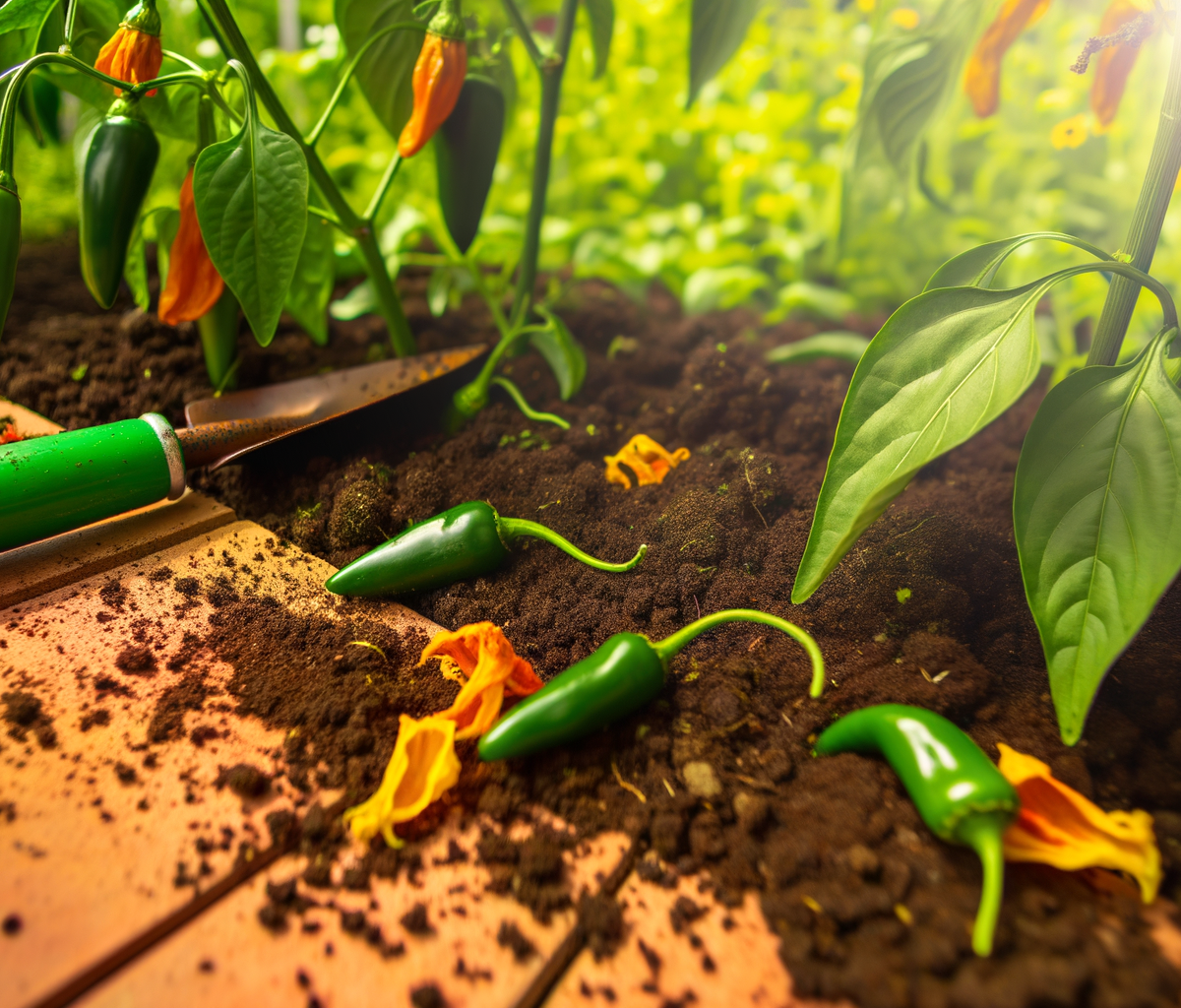
Jalapeño Flowers Falling Off: Why and How to Stop Blossom Drop
Few things are more disheartening than watching your jalapeño plant produce beautiful white flowers only to see them shrivel up and fall off before setting fruit. This condition, known as blossom drop, is one of the most common complaints among pepper growers. The good news is that it's almost always caused by environmental stress, and once you identify the trigger, you can take steps to fix it.
Blossom drop happens when the plant decides conditions aren't right for fruit production. Rather than wasting energy on peppers it can't support, the plant sheds its flowers as a survival mechanism. Understanding this helps frame every solution: your goal is to create the most stable, comfortable environment possible for your jalapeño plant.
What Causes Jalapeño Flowers to Fall Off?
Temperature Extremes
Temperature is the number one cause of blossom drop in jalapeños and other pepper varieties like serranos and cayenne peppers. Jalapeños prefer daytime temperatures between 70°F and 85°F (21–29°C) and nighttime temperatures between 60°F and 70°F (15–21°C).
When daytime temperatures climb above 90°F (32°C), pollen becomes less viable and flowers abort. Similarly, nighttime temperatures above 75°F (24°C) or below 55°F (13°C) disrupt the pollination process. Even a short heatwave lasting two or three days can trigger a round of blossom drop.
Inconsistent Watering
Jalapeño plants need consistent moisture to support flower and fruit development. Both overwatering and underwatering cause stress that leads to dropped blossoms. When the soil dries out too much between waterings, the plant redirects its limited water supply to keeping leaves alive rather than supporting flowers. Overwatering, on the other hand, can suffocate roots and create the same stress response.
For detailed watering guidance, check out our soil, water, and sunlight guide.
Poor Pollination
Jalapeño flowers are self-pollinating, but they still need help from wind or insects to move pollen from the anthers to the stigma. Indoor plants and plants in sheltered locations may not get enough air movement for effective pollination. Without pollination, the flowers have no reason to stay on the plant.
Nutrient Imbalances
Too much nitrogen encourages lush, green foliage at the expense of flowers and fruit. If your plant looks incredibly healthy with dark green leaves but keeps dropping flowers, excess nitrogen could be the culprit. On the other hand, a deficiency in phosphorus or calcium can also contribute to poor flower retention. Our fertilizer guide covers the ideal nutrient ratios for fruiting peppers.
Humidity Problems
Extremely low humidity (below 35%) can dry out pollen before it has a chance to do its job. Very high humidity (above 80%) can make pollen too sticky to transfer properly. Either extreme can lead to failed pollination and subsequent blossom drop.
How to Stop Blossom Drop
Manage Temperature
If heat is the issue, provide afternoon shade using shade cloth (30–50% density) or by positioning taller plants on the west side. For container-grown jalapeños, move pots to a shadier spot during heat waves. Mulch around the base of plants with 2–3 inches of straw or wood chips to keep roots cool.
For cold snaps, use row covers, cloches, or bring container plants indoors overnight. Avoid planting outdoors too early in the season when nighttime temperatures are still unpredictable.
Water Consistently
Water deeply and regularly, aiming for about 1–2 inches per week. Water at the base of the plant in the morning so foliage dries before evening. Use mulch to maintain even soil moisture. Stick your finger an inch into the soil—if it's dry at that depth, it's time to water.
Help with Pollination
Gently shake or flick flowering branches once a day to distribute pollen. A small paintbrush or cotton swab can also be used to manually transfer pollen between flowers. For outdoor plants, planting flowers nearby that attract bees and other pollinators makes a big difference. Consider companion planting with herbs like basil or marigolds to draw in beneficial insects.
Balance Your Fertilizer
Switch to a fertilizer with lower nitrogen and higher phosphorus once flowering begins. Look for formulas labeled for tomatoes or peppers, often with ratios like 5-10-10 or similar. Avoid heavy nitrogen feeds after the plant has reached a good size and started blooming.
Optimize Humidity
For dry climates, mist plants lightly in the morning or group container plants together to create a slightly more humid microclimate. For excessively humid environments, ensure good air circulation by spacing plants properly and pruning dense interior growth.
Prevention Tips
- Start strong: Healthy seedlings grown from quality seed starts handle stress better.
- Harden off transplants gradually over 7–10 days to avoid transplant shock.
- Mulch early: Apply mulch as soon as you transplant to stabilize soil temperature and moisture.
- Feed on schedule: Begin fertilizing two weeks after transplanting and switch to bloom-focused fertilizer at first flower.
- Monitor conditions: A simple outdoor thermometer helps you anticipate temperature-related blossom drop before it happens.
Frequently Asked Questions
Is it normal for some jalapeño flowers to fall off?
Yes. It's completely normal for jalapeño plants to drop some flowers, especially the first flush of blooms. A healthy plant may drop 10–20% of its flowers naturally. It becomes a problem only when most or all flowers are falling off consistently over several weeks.
How long does blossom drop last?
Blossom drop typically resolves on its own once the stressor is removed. After a heat wave passes or watering becomes consistent, new flowers should begin setting fruit within one to two weeks. The plant doesn't suffer permanent damage from temporary blossom drop.
Can I use Epsom salt to prevent blossom drop?
Epsom salt (magnesium sulfate) is often recommended, but it only helps if your soil is actually deficient in magnesium, which is relatively uncommon. A soil test is the only reliable way to know. Indiscriminate use of Epsom salt can create nutrient imbalances that make problems worse.
Should I remove flowers to stop blossom drop?
Removing flowers won't stop blossom drop because the underlying environmental stress is still present. However, some growers pinch early flowers to redirect the plant's energy into root and stem development, which can lead to a stronger plant that handles stress better later in the season.
More from the Blog
How to Grow Jalapeños Indoors: Complete Apartment Guide
Everything you need to know about growing jalapeño peppers indoors, from choosing the right containers and soil to hand-pollination and harvesting in your apartment.
BlogWhy Are My Jalapeño Leaves Turning Yellow? 7 Causes & Fixes
Yellowing jalapeño leaves are usually caused by overwatering, nutrient deficiencies, or pest damage. Here are 7 common causes and exactly how to fix each one.
BlogWhen to Pick Jalapeños: The Perfect Harvest Timing Guide
Learn exactly when to pick jalapeños for the best flavor and heat. Covers visual cues like size, color, and corking to help you harvest at the perfect time.