Jalapeño Plant Not Producing? 10 Reasons & Solutions
Is your jalapeño plant full of leaves but no peppers? Here are the 10 most common reasons jalapeño plants stop producing fruit and exactly how to fix each one.
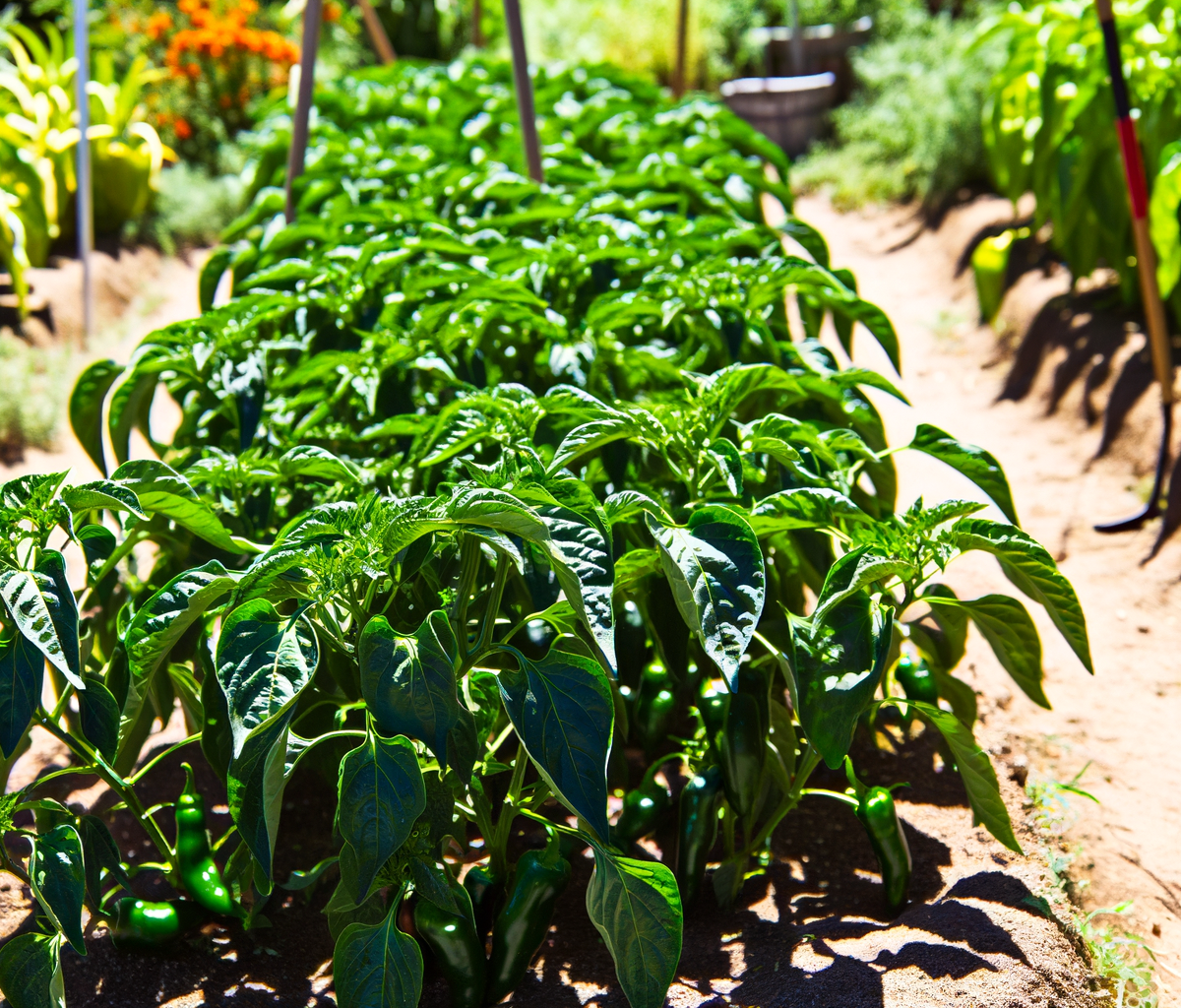
Jalapeño Plant Not Producing? 10 Reasons & Solutions
A jalapeño plant covered in lush green foliage but no peppers is one of the most frustrating experiences for home gardeners. If your plant looks healthy but refuses to produce fruit, the problem almost always comes down to environmental stress, pollination failure, or a nutrient imbalance. The good news is that every one of these issues is fixable.
Before you give up on your plant, work through these 10 causes in order. Most gardeners find their answer within the first three or four.
1. Temperature Is Too High (or Too Low)
Jalapeño peppers are picky about temperature when it comes to setting fruit. The sweet spot for fruit set is daytime temperatures between 70–85°F (21–29°C) and nighttime temperatures between 60–70°F (15–21°C).
When daytime temps exceed 90°F (32°C), flowers drop before they can be pollinated. Similarly, nighttime temperatures below 55°F (13°C) prevent proper fruit development.
Solution: If you're in a hot climate, use shade cloth during the hottest part of the afternoon. In cool climates, use row covers or bring container plants indoors overnight. Be patient — when temperatures return to the ideal range, production usually resumes within 1 to 2 weeks.
2. Poor Pollination
Jalapeños are self-pollinating, meaning each flower contains both male and female parts. However, they still need help from wind, vibration, or insects to transfer pollen within the flower.
Indoor plants, greenhouse plants, and gardens in urban areas with low pollinator activity often struggle with this.
Solution: Hand-pollinate by gently shaking each flower cluster or using a small paintbrush to dab the inside of each blossom. An oscillating fan aimed at the plants for a few hours daily can also simulate wind pollination. Do this during mid-morning when humidity is moderate.
3. Too Much Nitrogen
This is one of the most common pepper growing mistakes. If your jalapeño plant has massive dark green leaves but no flowers, you're likely over-feeding with nitrogen. High nitrogen pushes vegetative growth and suppresses flowering.
Solution: Stop all nitrogen-heavy fertilizers immediately. Switch to a bloom-boosting formula with a higher middle number (phosphorus), such as a 5-10-10 or 2-8-4 ratio. It can take 2 to 3 weeks for the plant to shift into flowering mode. Check our fertilizer guide for recommended feeding schedules.
4. Inconsistent Watering
Both overwatering and underwatering stress jalapeño plants and can cause flower and fruit drop. Waterlogged roots can't absorb nutrients properly, while drought-stressed plants abort flowers to conserve energy.
Solution: Water deeply and consistently, providing about 1 to 2 inches per week. Let the top inch of soil dry between waterings. Mulch around the base of the plant to maintain even soil moisture. Container plants may need daily watering in hot weather. For more detail, see our soil, water, and sunlight guide.
5. Not Enough Light
Jalapeños need a minimum of 6 to 8 hours of direct sunlight per day. Plants in partial shade will grow foliage but produce far fewer flowers and fruit. Even 5 hours instead of 7 can make a noticeable difference in production.
Solution: If your plant is in the ground, consider transplanting it to a sunnier spot next season. For container plants, move them to the brightest location available. Supplemental grow lights can help indoor plants — aim for at least 12 hours of artificial light daily with full-spectrum LED panels.
6. The Plant Is Too Young
This is the most overlooked reason. Jalapeño plants typically don't begin flowering until they're 8 to 12 weeks old from transplant. If you transplanted in late spring, don't expect peppers until mid to late summer.
Solution: Be patient. If your plant is healthy, growing, and under 10 weeks old, it may simply need more time. First-time growers often panic too early. Mark your transplant date on a calendar and give the plant at least 10 weeks before troubleshooting.
7. Overcrowding
Plants spaced too close together compete for light, water, and nutrients. This competition stresses the plants and reduces fruit production. Jalapeño plants need 18 to 24 inches of spacing in all directions.
Solution: If plants are already established, thin them rather than try to transplant mid-season. For future plantings, respect the spacing requirements. In containers, use one plant per 5-gallon pot minimum — see our container growing guide for sizing recommendations.
8. Pest or Disease Problems
Aphids, whiteflies, and spider mites can weaken plants enough to reduce flowering. Diseases like bacterial leaf spot or mosaic virus can also stunt production. Inspect the undersides of leaves and look for discolored spots, sticky residue, or tiny insects.
Solution: Treat pest infestations with insecticidal soap or neem oil. Remove and destroy severely diseased plants to prevent spread. Regular inspection is your best defense — catching problems early makes them much easier to manage. See our pests and diseases guide for identification and treatment.
9. Wrong Variety Expectations
Not all jalapeño varieties produce at the same rate or on the same schedule. Some ornamental or specialty varieties produce fewer but larger peppers, while others are bred for heavy production. If you're growing a variety you haven't tried before, check its expected days to maturity.
Solution: For reliable heavy production, stick with proven varieties like 'Early Jalapeño,' 'Jalapeño M,' or 'TAM Jalapeño.' These have been bred specifically for consistent yields in home garden conditions.
10. No Pruning of Early Flowers
Some experienced growers pinch off the first round of flowers when the plant is still small. This redirects energy into building a larger, stronger plant that ultimately produces more fruit. If you didn't do this and your plant is small and spindly with just a few peppers, that may be why overall production seems low.
Solution: For next season, pinch off flowers until the plant is at least 12 inches tall and has a sturdy branching structure. This season, focus on proper feeding and watering to support whatever fruit the plant does set.
When to Worry vs. When to Wait
Not every fruitless plant has a problem. Here's a quick decision guide:
- Plant is under 10 weeks from transplant: Wait. It's probably too young.
- Plant is flowering but flowers are dropping: Check temperature and pollination.
- Plant has zero flowers: Check nitrogen levels and light exposure.
- Plant looks unhealthy with yellowing or wilting: Investigate water, pests, and disease.
- Plant looks great but just isn't producing: Most likely temperature or pollination issue.
FAQ
How long does it take for a jalapeño plant to start producing?
Most jalapeño varieties begin flowering 8 to 12 weeks after transplanting outdoors. From first flower to pickable pepper is another 4 to 6 weeks. If your plant hasn't flowered by week 14, something is likely off.
Will my jalapeño plant produce more if I pick peppers regularly?
Yes. Harvesting ripe peppers signals the plant to produce more. Leaving overripe peppers on the plant slows down new fruit production because the plant shifts energy toward seed maturation.
Can a jalapeño plant recover after a period of no production?
Absolutely. Once you identify and correct the underlying issue, most healthy plants bounce back within 2 to 3 weeks and begin flowering again. Jalapeños are resilient and can produce well into fall if given the chance.
Should I remove flowers that aren't turning into peppers?
Dropped flowers remove themselves. If flowers are staying on the plant but not developing into fruit, the issue is most likely poor pollination. Try hand-pollinating and see if the next round of flowers sets fruit.
More from the Blog
How to Grow Jalapeños Indoors: Complete Apartment Guide
Everything you need to know about growing jalapeño peppers indoors, from choosing the right containers and soil to hand-pollination and harvesting in your apartment.
BlogWhy Are My Jalapeño Leaves Turning Yellow? 7 Causes & Fixes
Yellowing jalapeño leaves are usually caused by overwatering, nutrient deficiencies, or pest damage. Here are 7 common causes and exactly how to fix each one.
BlogWhen to Pick Jalapeños: The Perfect Harvest Timing Guide
Learn exactly when to pick jalapeños for the best flavor and heat. Covers visual cues like size, color, and corking to help you harvest at the perfect time.