Jalapeño vs Anaheim Pepper: Mild vs Medium Heat
Jalapeños and Anaheim peppers are both popular and versatile, but they differ in heat, size, and best cooking applications. Here's how to decide which one your recipe needs.
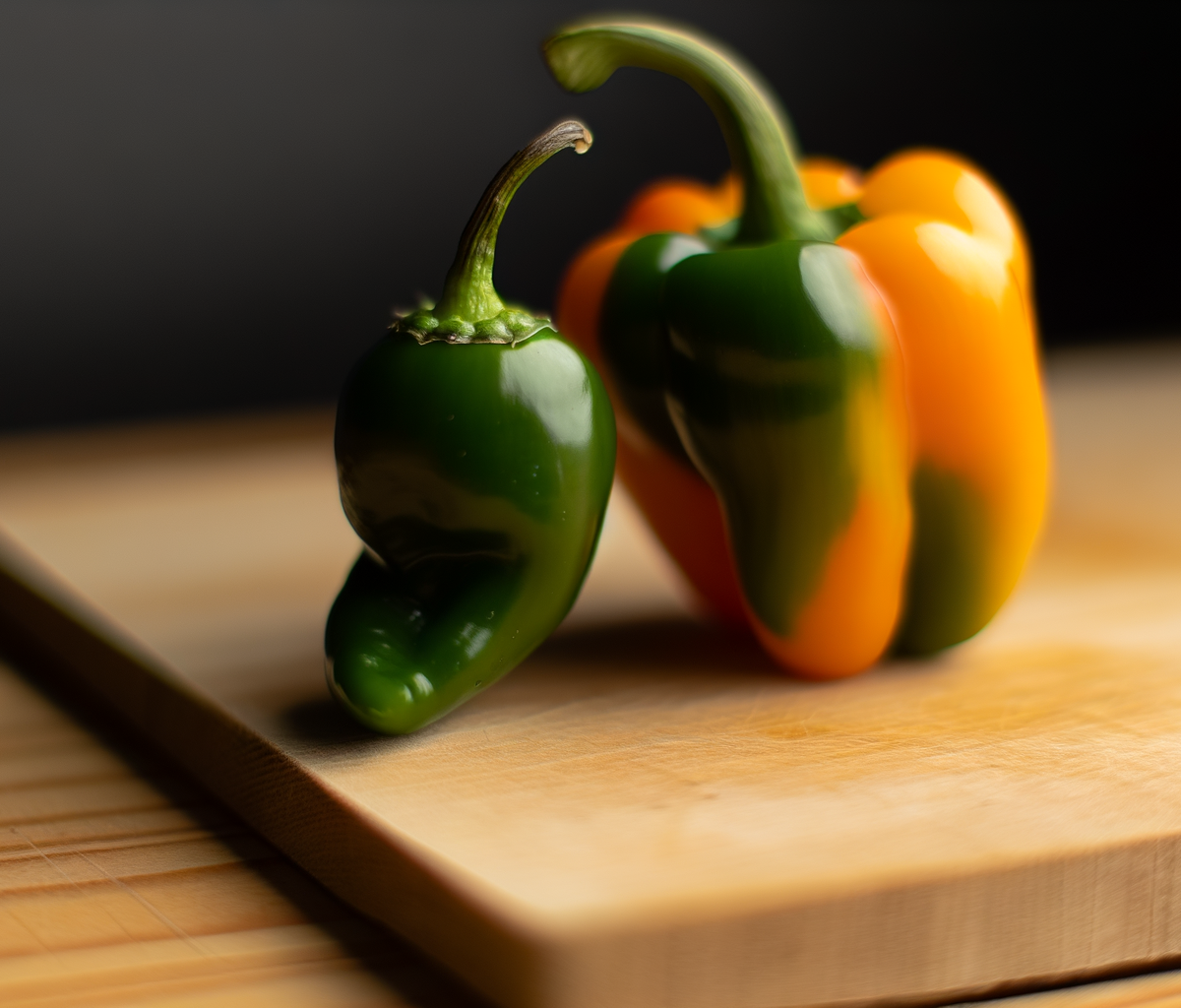
Jalapeño vs Anaheim Pepper: Mild vs Medium Heat
The jalapeño and Anaheim pepper are two of the most approachable chili peppers you'll find, but they fill different niches in the kitchen. Jalapeños are compact and pack a solid medium heat at 2,500–8,000 SHU. Anaheim peppers are larger, milder (500–2,500 SHU), and built for roasting and stuffing. If you're choosing between them, the answer usually comes down to whether you want heat or whether you want the pepper to be the main vessel for a dish.
Quick Comparison
| Feature | Jalapeño | Anaheim Pepper |
|---|---|---|
| Scoville Heat Units | 2,500–8,000 SHU | 500–2,500 SHU |
| Heat Level | Medium | Mild |
| Flavor | Grassy, bright, vegetal | Sweet, mildly earthy, smoky when roasted |
| Size | 2–3.5 inches | 6–10 inches |
| Wall Thickness | Thick | Medium-thick |
| Common Color | Green (red when ripe) | Green (red when ripe) |
| Common Uses | Salsas, poppers, nachos | Roasting, chiles rellenos, green chile stew |
Heat & Scoville Comparison
On the Scoville scale, jalapeños sit at 2,500–8,000 SHU while Anaheim peppers register only 500–2,500 SHU. The hottest Anaheim barely reaches the mildest jalapeño, so there's a clear heat distinction. Jalapeños deliver an unmistakable kick; Anaheims provide gentle warmth that even heat-averse eaters can enjoy.
It's worth noting that Anaheim peppers grown in the Hatch Valley of New Mexico (marketed as "Hatch chiles") can sometimes reach the higher end of their range and occasionally slightly beyond, depending on the specific cultivar. But generally, if you're looking for real heat, jalapeños are the choice.
Flavor Profile
Jalapeños have that signature bright, grassy flavor — clean, green, and sharp with a pleasant vegetal bite. They add freshness and a lively quality to everything they touch.
Anaheim peppers have a sweeter, more mellow personality. Raw, they're gently crisp with mild earthiness. But Anaheims truly come alive when roasted — the heat blisters and loosens the skin while the flesh develops a sweet, smoky depth that's addictive. Roasted Anaheim flavor is the foundation of New Mexican cuisine, from green chile stew to smothered burritos. There's a warmth and richness to roasted Anaheims that no other pepper quite replicates.
Best Uses in Cooking
Jalapeños are the versatile everyday pepper. Dice them into salsa, slice them onto nachos, stuff them into poppers, blend them into a classic green sauce, or pickle them for tacos and sandwiches. Their compact size makes them a garnish and accent ingredient — they add heat and flavor to a dish without becoming the focus.
Anaheim peppers are built to be the star. Their large size (6–10 inches) makes them the most accessible pepper for stuffing — chiles rellenos made with roasted Anaheims are a New Mexican institution. They're essential in green chile stew, green chile cheeseburgers, and smothered enchiladas. Roasted, peeled, and chopped Anaheims can go into omelets, quiches, soups, and pasta sauces. In the American Southwest, fire-roasted Anaheim (Hatch) chiles are a seasonal obsession — people buy them by the bushel and freeze them for year-round use.
Because Anaheims are so mild, they also work well as a vegetable side dish — simply roasted, peeled, and served with a squeeze of lime and a pinch of salt.
Growing Comparison
Jalapeños are compact, prolific plants that produce 25–35 peppers per plant in 70–80 days. They're among the easiest peppers to grow and do well in containers.
Anaheim peppers need more space since the plants and peppers are both larger. Expect 15–25 peppers per plant, maturing in 75–85 days. The plants grow taller (up to 2–3 feet) and benefit from staking. They're nearly as easy to grow as jalapeños and are particularly well-suited to hot, arid climates similar to their New Mexico homeland. In humid regions, watch for fungal issues on the large fruit.
Both are excellent garden peppers. If you have space, growing both gives you a mild roasting pepper and a medium-heat fresh pepper from the same garden.
Availability & Price
Jalapeños are universally available in grocery stores year-round, typically $1.50–$3.00 per pound.
Anaheim peppers are widely available but slightly less ubiquitous than jalapeños. Most well-stocked supermarkets carry them, and they're easy to find in the Southwest and at Mexican grocery stores. They usually cost $2.00–$4.00 per pound. During Hatch chile season (August–September), roasted Hatch Anaheim peppers are sold at farmers' markets, grocery stores, and roadside stands across the Southwest — and increasingly shipped nationwide.
Canned green chiles in the grocery aisle are almost always Anaheim peppers, giving you year-round access to their flavor even when fresh ones aren't available.
Which Should You Choose?
Choose jalapeños when you want noticeable heat and a fresh, bright pepper flavor. They're the better pick for salsas, snacking, and any dish where spice is a feature. Their compact size makes them ideal as an ingredient within a dish rather than the dish itself.
Choose Anaheim peppers when you want a mild, large pepper for roasting, stuffing, or building a dish around. They're essential for Southwestern and New Mexican cooking, and their gentle heat makes them family-friendly. If you've never had a freshly roasted Anaheim chile, you're missing one of the great simple pleasures of pepper cooking.
For a poblano-style stuffed pepper with slightly more heat, the Anaheim is an excellent choice. And for many Southwestern recipes, there's simply no substitute.
FAQ
What's the difference between an Anaheim pepper and a Hatch chile? Hatch chiles are Anaheim-type peppers grown specifically in the Hatch Valley of New Mexico. The terroir of the region — its soil, altitude, and climate — is said to give Hatch chiles a more complex, slightly hotter flavor. Think of it like champagne vs sparkling wine: same grape, different origin and character.
Can I use Anaheim peppers instead of jalapeños in salsa? Yes, but the result will be much milder and sweeter. Roasted Anaheim salsa is a legitimate and delicious thing — it's just a completely different product from a fresh jalapeño salsa. For the best of both worlds, combine roasted Anaheims with a jalapeño or two for a salsa that has depth, sweetness, and kick.
Are Anaheim peppers the same as New Mexico chiles? They're very closely related. New Mexico chiles are a broader category that includes Anaheim-type peppers along with hotter varieties like Sandia and Big Jim. The Anaheim pepper itself originated from New Mexico chile seeds brought to Anaheim, California, in 1894.
Which pepper is better for chiles rellenos? Anaheim peppers and poblanos are both traditional choices for chiles rellenos. Anaheims are more common in New Mexican-style preparations, while poblanos dominate in central Mexican versions. Both work beautifully — Anaheims are slightly sweeter and thinner, while poblanos are earthier and sturdier. Jalapeños are too small for traditional rellenos but can be stuffed for appetizer-sized poppers.
More from the Blog
Jalapeño vs Habanero: How Different Are They Really?
Jalapeños and habaneros are two of the most popular chili peppers in the world, but they couldn't be more different. Here's everything you need to know about how they compare in heat, flavor, and cooking uses.
BlogJalapeño vs Poblano: Choosing the Right Pepper
Jalapeños and poblanos are both Mexican kitchen essentials, but they serve very different purposes. Here's how to choose between them for your next recipe.
BlogJalapeño vs Cayenne: Heat, Flavor & Cooking Uses
Jalapeños and cayenne peppers are both kitchen staples, but one is usually eaten fresh while the other dominates the spice rack. Here's a detailed comparison of heat, flavor, and the best ways to use each.