Jalapeño vs Banana Pepper: Side-by-Side Comparison
Jalapeños and banana peppers are often confused at the grocery store, but they differ significantly in heat, flavor, and best uses. Here's how to tell them apart and when to use each.
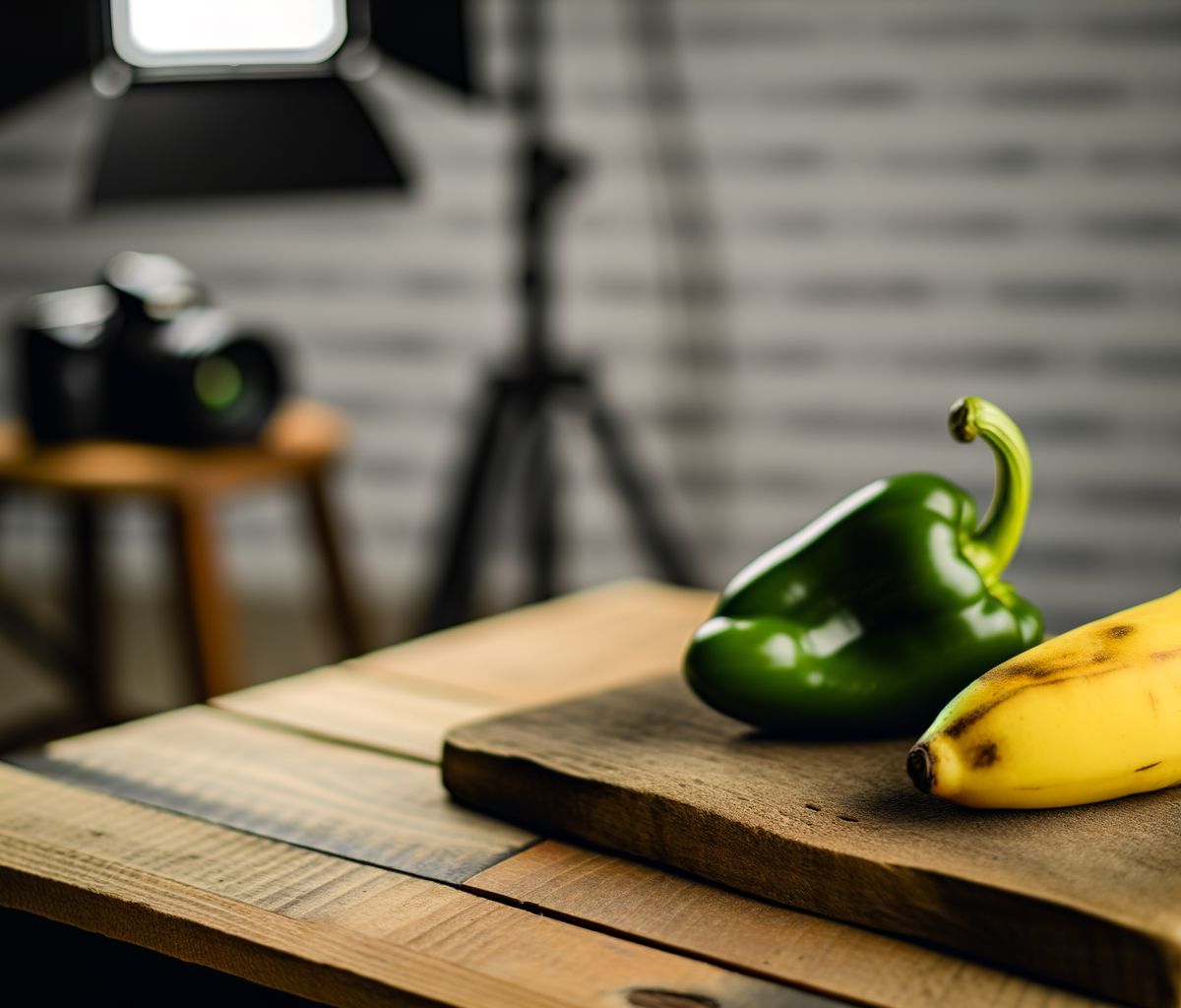
Jalapeño vs Banana Pepper: Side-by-Side Comparison
People mix up jalapeños and banana peppers all the time — they're similar in size and both show up on pizza and sandwiches. But bite into each and you'll immediately know the difference. Jalapeños pack a medium heat punch at 2,500–8,000 SHU, while banana peppers are nearly heatless at 0–500 SHU. They're really two completely different ingredients that happen to look somewhat similar.
Quick Comparison
| Feature | Jalapeño | Banana Pepper |
|---|---|---|
| Scoville Heat Units | 2,500–8,000 SHU | 0–500 SHU |
| Heat Level | Medium | Very mild to none |
| Flavor | Grassy, bright, slightly sharp | Mild, tangy, slightly sweet |
| Size | 2–3.5 inches | 4–6 inches |
| Shape | Bullet-shaped, thick | Long, curved, tapered |
| Common Color | Green (red when ripe) | Yellow (orange/red when ripe) |
| Common Uses | Salsas, poppers, nachos | Pickled rings, sandwiches, pizza |
Heat & Scoville Comparison
This is the biggest difference between these two peppers, and it isn't close. On the Scoville scale, jalapeños register 2,500–8,000 SHU — a genuine medium heat that you'll definitely feel. Banana peppers max out at a mere 500 SHU, which is barely perceptible to most people. Many banana peppers have literally zero heat.
To put it plainly: a jalapeño is a chili pepper that happens to also taste good. A banana pepper is a sweet pepper that happens to be shaped like a chili. If you're looking for any kind of spicy kick, the banana pepper will leave you disappointed. But if you're feeding people who can't handle any heat at all, banana peppers give you that "pepper on top" look and tangy flavor without any burn.
Flavor Profile
Jalapeños deliver a familiar bright, grassy flavor with a clean vegetal bite. There's a pleasant sharpness to them, especially raw, that makes them interesting beyond just their heat. They taste distinctly like a pepper — green, lively, and slightly herbaceous.
Banana peppers are mild and tangy with a subtle sweetness. They have a gentle, slightly acidic flavor that's pleasant but not particularly complex. Pickled banana peppers develop a vinegary tang that makes them addictive on sandwiches and salads. Fresh banana peppers are crisp and watery with a flavor somewhere between a bell pepper and a mild Italian frying pepper.
Best Uses in Cooking
Jalapeños shine where you want flavor and heat working together. They're the classic choice for fresh salsa, green sauces, jalapeño poppers, nachos, and anywhere you want a noticeable pepper presence. Pickled jalapeños add both tang and heat to tacos, burgers, and sandwiches. They're also excellent roasted, grilled, and stuffed.
Banana peppers are the mild-mannered alternative. Pickled banana pepper rings are a staple topping at sub shops and pizzerias — they add tang, crunch, and color without heat. Fresh banana peppers can be stuffed with cheese and baked for a family-friendly appetizer. They're great in antipasto salads, on Greek salads, and in mild pepper relishes. Some cooks sauté them with Italian sausage and onions for a classic sandwich filling.
Growing Comparison
Jalapeños are prolific producers that mature in 70–80 days, yielding 25–35 peppers per plant. They're compact, container-friendly, and among the easiest peppers to grow.
Banana peppers are similarly easy and productive. They mature in 60–75 days and produce generously — often 25–40 peppers per plant. The plants tend to be slightly taller than jalapeño plants. Banana peppers are excellent for beginners who want a big harvest without any fuss. They do particularly well in slightly cooler conditions compared to hotter pepper varieties.
Both are great choices for first-time pepper growers. If you want a low-maintenance garden that produces peppers for pickling, banana peppers are hard to beat.
Availability & Price
Both peppers are widely available and affordable. Jalapeños are found in every grocery store year-round at $1.50–$3.00 per pound. Banana peppers are nearly as common, typically priced at $2.00–$3.50 per pound. Both are also widely available in pickled jars — in fact, most Americans encounter banana peppers in their pickled form before ever seeing them fresh.
A common source of confusion: banana peppers and pepperoncini are not the same thing, though they look similar. Pepperoncini are slightly more wrinkled, tangier, and are the pickled peppers you typically find at Italian restaurants. Banana peppers are smoother and milder.
Which Should You Choose?
Choose jalapeños when you want actual heat and bold pepper flavor. They're the right pick for any recipe where spice is part of the appeal — salsas, spicy appetizers, and anywhere you want your food to have a kick.
Choose banana peppers when you want pepper flavor, tang, and crunch without any heat. They're perfect for people who are sensitive to spice, for kid-friendly meals, and as a vinegary topping on sandwiches and pizzas.
If you're hosting a crowd with mixed spice tolerances, put out both: pickled jalapeños for the heat seekers and pickled banana peppers for everyone else. Problem solved.
FAQ
Can I substitute banana peppers for jalapeños? Only if you don't mind losing all the heat. Banana peppers will give you a mild, tangy pepper flavor but zero spice. If you need a milder substitute for jalapeños that still has some heat, try Anaheim peppers or poblanos.
Why do banana peppers and jalapeños look similar? Both belong to the Capsicum annuum species, which is why they share a similar shape. However, banana peppers are longer, more curved, thinner-walled, and typically yellow, while jalapeños are shorter, thicker, and green. With practice, they're easy to tell apart.
Are banana peppers healthy? Yes. Banana peppers are low in calories, high in vitamin C, and contain decent amounts of vitamin A and fiber. However, they lack the significant capsaicin content found in jalapeños, so they don't provide the same capsaicin-related health benefits.
Which is better on pizza? It depends on your heat tolerance. Banana pepper rings are the traditional pizza topping — tangy and mild. Jalapeño slices are for people who want their pizza spicy. Many pizza lovers use both for the best of both worlds.
More from the Blog
Jalapeño vs Habanero: How Different Are They Really?
Jalapeños and habaneros are two of the most popular chili peppers in the world, but they couldn't be more different. Here's everything you need to know about how they compare in heat, flavor, and cooking uses.
BlogJalapeño vs Poblano: Choosing the Right Pepper
Jalapeños and poblanos are both Mexican kitchen essentials, but they serve very different purposes. Here's how to choose between them for your next recipe.
BlogJalapeño vs Cayenne: Heat, Flavor & Cooking Uses
Jalapeños and cayenne peppers are both kitchen staples, but one is usually eaten fresh while the other dominates the spice rack. Here's a detailed comparison of heat, flavor, and the best ways to use each.