Jalapeño vs Cherry Pepper: Mild Heat, Big Flavor
Cherry peppers and jalapeños both sit in the mild-to-medium heat range, but their flavors and best uses are surprisingly different. Compare these popular peppers side by side.
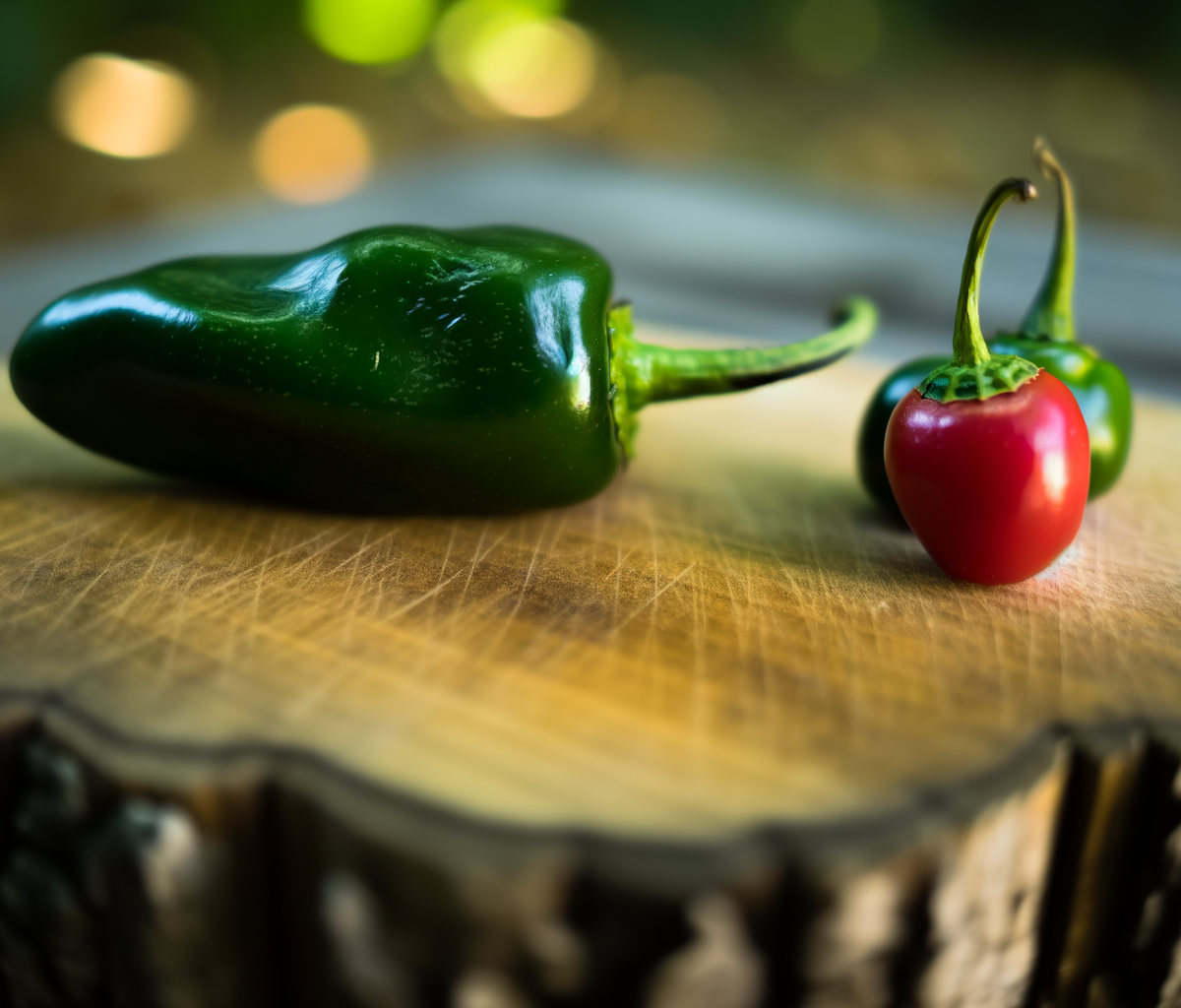
Cherry peppers and jalapeños are both popular, approachable peppers that won't overwhelm most palates. Their heat levels even overlap on the Scoville scale. But despite this similarity, they look, taste, and cook quite differently. Cherry peppers are round, sweet, and most often enjoyed stuffed or pickled, while jalapeños are elongated, grassy, and incredibly versatile. Let's compare every detail.
Quick Comparison Table
| Feature | Jalapeño | Cherry Pepper |
|---|---|---|
| Scoville Heat Units | 2,500–8,000 SHU | 2,500–5,000 SHU |
| Shape | Elongated, conical | Round, cherry-shaped |
| Size | 2–3.5 inches long | 1–2 inches diameter |
| Flavor | Bright, grassy, vegetal | Sweet, tangy, mild |
| Wall thickness | Thick | Very thick |
| Best form | Fresh, pickled, cooked | Stuffed, pickled |
| Other names | Chile jalapeño | Pimento, cherry bomb |
Heat Levels
These two peppers sit in a similar range on the Scoville scale. Jalapeños measure 2,500 to 8,000 SHU, while cherry peppers (also known as hot cherry peppers or cherry bomb peppers) come in between 2,500 and 5,000 SHU. That means they overlap significantly, though jalapeños can reach higher.
It's worth noting that sweet cherry peppers — the kind commonly sold stuffed with cheese — have essentially zero heat. The hot cherry pepper variety is what falls in the 2,500–5,000 SHU range. Make sure you know which variety you're buying, as the difference is dramatic.
Compared to a jalapeño, hot cherry peppers feel slightly milder on average. Both are manageable for most people who enjoy a little kick.
Flavor Comparison
Jalapeños have their signature bright, grassy, slightly bitter flavor with a clean pepper taste. They're vegetal and crisp when raw, developing a roasted sweetness when cooked. The flavor is bold and distinctly "green pepper."
Cherry peppers are notably sweeter. They have a mild, fruity sweetness with just a hint of tanginess. Their flavor is closer to a sweet bell pepper with a spicy kick. This sweetness makes them excellent for stuffing and pickling, where their natural sugars complement briny and cheesy fillings.
Shape and Texture
The most obvious difference is their shape. Cherry peppers are round or slightly oblate, resembling large cherries or small tomatoes. They're typically 1 to 2 inches in diameter with very thick, meaty walls that create a perfect pocket for stuffing.
Jalapeños are elongated and conical, 2 to 3.5 inches long with thick walls but a narrower cavity. While jalapeños are also great for stuffing (hello, poppers), their shape lends itself to slicing and dicing in ways that round cherry peppers don't.
Best Culinary Uses
Jalapeños are ideal for:
- Salsas and pico de gallo
- Jalapeño poppers
- Classic green sauce
- Pickled rounds for nachos
- Diced into recipes for heat
- Smoky chipotle BBQ sauce
Cherry peppers are ideal for:
- Stuffed with prosciutto and provolone
- Antipasto platters
- Pickled whole as a condiment
- Sliced on Italian subs and hoagies
- Pizza topping
- Chopped into pasta salads
The Italian Connection
Cherry peppers are a staple of Italian-American cuisine. If you've ever had a classic Italian sub with those small, round, stuffed peppers, those were cherry peppers. They're ubiquitous in Italian delis, on antipasto platters, and in jars at the grocery store labeled as "hot cherry peppers" or "cherry pepper shooters" (stuffed with cheese).
Jalapeños, by contrast, are rooted in Mexican cuisine and have become the default pepper in Tex-Mex and American cooking. Their cultural contexts rarely overlap, which means you'll encounter them in very different restaurant settings and recipe traditions.
Stuffing Showdown
Both peppers are excellent for stuffing, but the approach differs. Cherry peppers' round shape and thick walls make them natural vessels — just core them and fill with cheese, meat, or a combination. They're often stuffed raw and pickled, or stuffed and baked.
Jalapeño poppers involve halving the pepper, filling it with cream cheese or cheddar, and typically battering and frying or baking. The elongated shape works well for this boat-style approach.
Both are crowd-pleasers at parties, but they bring different vibes — cherry peppers feel more elegant and Italian, while jalapeño poppers are pub food classics.
Growing Notes
Both peppers grow well in home gardens. Jalapeños are among the most popular home garden peppers, producing prolifically in warm weather. Cherry pepper plants are compact and productive, making them excellent for container gardening. The round peppers are fun to grow and ripen from green to a vibrant red.
Frequently Asked Questions
Are cherry peppers hotter than jalapeños? Not usually. Hot cherry peppers range from 2,500 to 5,000 SHU, while jalapeños go up to 8,000 SHU. Sweet cherry peppers have no heat at all, so make sure you know which type you have.
Can I use cherry peppers in salsa? You can, but the flavor will be sweeter and less grassy than a traditional jalapeño-based salsa. Cherry peppers work better in Italian-style preparations than in Mexican salsas.
What are cherry pepper shooters? Cherry pepper shooters are hot cherry peppers stuffed with prosciutto and provolone cheese, then pickled. They're a popular appetizer in Italian-American delis and restaurants.
Are pimentos the same as cherry peppers? Pimentos are a type of cherry pepper, but not all cherry peppers are pimentos. Pimento peppers are the sweet variety, while hot cherry peppers (cherry bombs) have noticeable heat. The familiar pimento found in stuffed olives is the sweet type.
More from the Blog
Jalapeño vs Habanero: How Different Are They Really?
Jalapeños and habaneros are two of the most popular chili peppers in the world, but they couldn't be more different. Here's everything you need to know about how they compare in heat, flavor, and cooking uses.
BlogJalapeño vs Poblano: Choosing the Right Pepper
Jalapeños and poblanos are both Mexican kitchen essentials, but they serve very different purposes. Here's how to choose between them for your next recipe.
BlogJalapeño vs Cayenne: Heat, Flavor & Cooking Uses
Jalapeños and cayenne peppers are both kitchen staples, but one is usually eaten fresh while the other dominates the spice rack. Here's a detailed comparison of heat, flavor, and the best ways to use each.