Jalapeño vs Datil Pepper: Southern Heat Showdown
The datil pepper from St. Augustine, Florida packs habanero-level heat at 100,000–300,000 SHU — far beyond the jalapeño's mild 2,500–8,000 SHU. Compare these two in this Southern heat showdown.
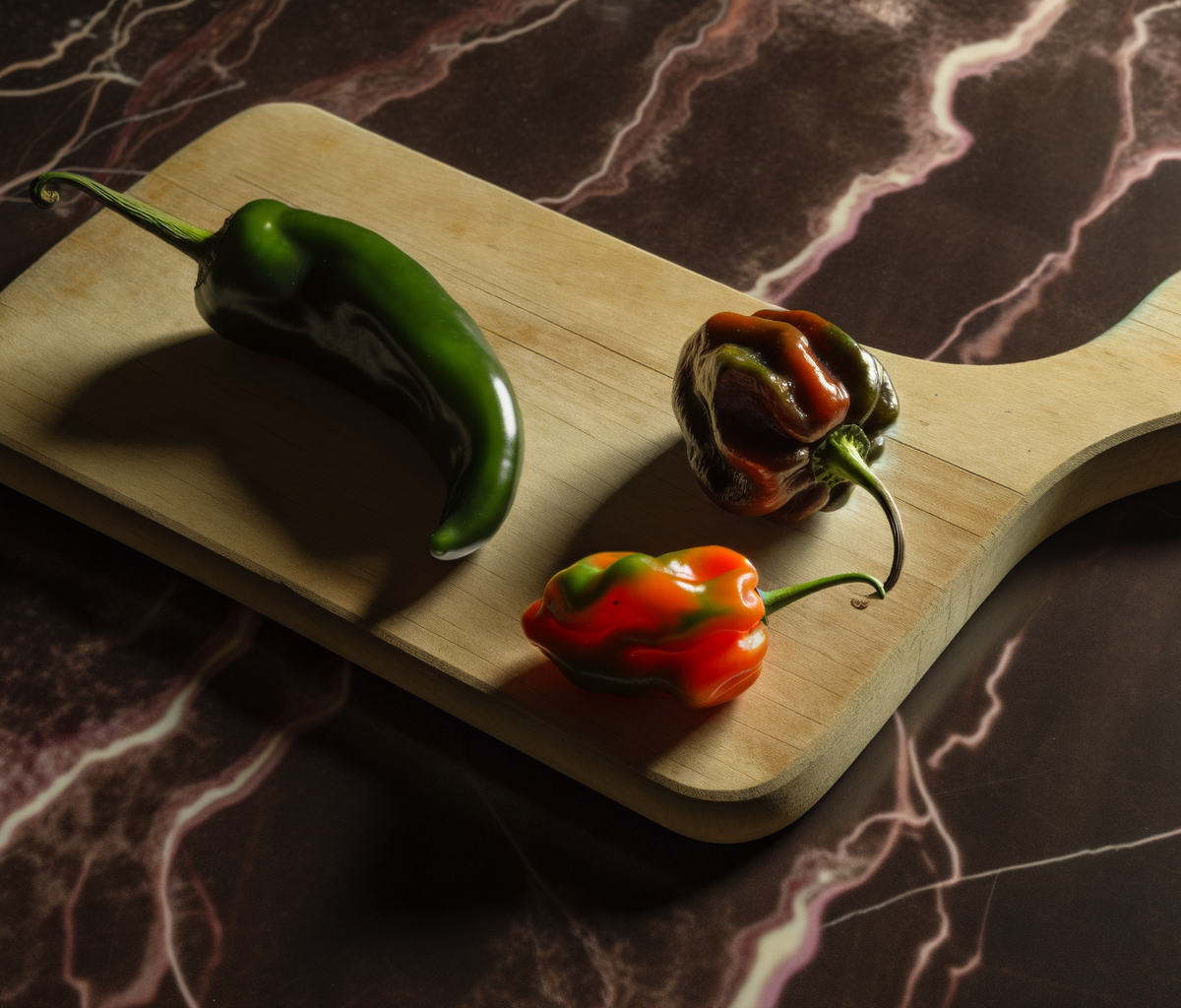
The datil pepper is one of America's best-kept spicy secrets, a regional treasure from St. Augustine, Florida that flies under the radar compared to the ubiquitous jalapeño. But don't let its obscurity fool you — the datil is a serious pepper, packing 100,000 to 300,000 Scoville Heat Units compared to the jalapeño's modest 2,500 to 8,000 SHU. That makes datils up to 120 times hotter. Here's the full breakdown of this Southern heat showdown.
Quick Comparison Table
| Feature | Jalapeño | Datil Pepper |
|---|---|---|
| Scoville Heat Units | 2,500–8,000 SHU | 100,000–300,000 SHU |
| Origin | Mexico | St. Augustine, Florida |
| Size | 2–3.5 inches | 1–3.5 inches |
| Flavor | Bright, grassy, vegetal | Sweet, fruity, tropical |
| Heat level | Medium | Very hot |
| Availability | Everywhere | Regional, specialty |
| Related to | Serrano, poblano | Habanero, Scotch bonnet |
Heat Comparison
The heat gap between these two peppers is enormous. On the Scoville scale, jalapeños top out at 8,000 SHU, while datils start at 100,000 SHU. At their hottest, datils reach 300,000 SHU, which places them in the same tier as the habanero and Scotch bonnet.
To put this in practical terms, if you can comfortably eat a raw jalapeño, you are not prepared for a raw datil pepper. The jump in heat is comparable to going from a warm bath to a hot spring. Datil heat is intense, immediate, and lingering.
Flavor Profile
This is where the datil pepper truly stands out. Despite its extreme heat, the datil has a remarkably sweet, fruity flavor with tropical notes of mango, papaya, and citrus. Many datil enthusiasts describe it as having a more pleasant flavor than the habanero, with a sweeter, less harsh heat.
Jalapeños offer their familiar bright, grassy flavor — clean, vegetal, and straightforward. They're reliable and recognizable but don't have the exotic fruit-forward complexity that makes datils special.
The St. Augustine Connection
The datil pepper is deeply tied to St. Augustine, Florida, where it has been cultivated for over 100 years. Local legend attributes its arrival to either Minorcan settlers from the Mediterranean or to jelly makers from the Caribbean. Regardless of its origins, the datil has become a cultural icon in northeast Florida.
Local restaurants, hot sauce makers, and home gardeners in the St. Augustine area treat the datil as a regional treasure. Datil pepper sauce, datil pepper jelly, and datil-infused everything can be found throughout the city. It's become as closely associated with St. Augustine as the jalapeño is with Mexican cuisine.
Culinary Uses
Jalapeños are used for:
- Salsas, guacamole, and green sauces
- Stuffed jalapeño poppers
- Pickled toppings for nachos and tacos
- Sliced raw on sandwiches
- Smoked to make chipotle
Datil peppers are used for:
- Datil pepper hot sauce (St. Augustine specialty)
- Datil pepper jelly (sweet and fiery)
- Minorcan clam chowder (a St. Augustine classic)
- Tropical fruit salsas
- Marinades for seafood and chicken
- Fermented hot sauces (using datil-specific recipes)
Growing Comparison
Jalapeños are among the easiest peppers to grow, thriving in gardens across the United States with minimal fuss. They produce heavily and tolerate a range of conditions.
Datil peppers are more finicky. They prefer the warm, humid conditions of Florida and have a longer growing season requirement. They can be grown in other warm climates but may struggle in areas with cool summers or short growing seasons. The plants are productive once established, though seeds can be harder to germinate than jalapeño seeds.
Availability
This is the biggest practical difference. Jalapeños are available in every grocery store in America year-round. Datil peppers are almost exclusively available in the St. Augustine area, through specialty online retailers, or from home gardeners. Datil pepper hot sauces and jellies can be ordered online, but fresh datils require some effort to source.
If you can't find datils, habaneros are the closest widely available substitute in terms of both heat level and fruity flavor profile.
Substitution Notes
Substituting jalapeños for datils will leave your dish dramatically under-seasoned in terms of heat and missing the tropical fruit notes that define datil-based recipes. If you must substitute, a habanero with a splash of mango juice comes closer.
Going the other way, using datils in place of jalapeños requires extreme caution. Use a tiny fraction of the amount — perhaps one-tenth — and expect a fruitier, sweeter heat profile. For jalapeño-style heat and flavor, a serrano pepper is a better option.
Frequently Asked Questions
How much hotter is a datil pepper than a jalapeño? Datil peppers are roughly 12 to 120 times hotter than jalapeños, with datils ranging from 100,000 to 300,000 SHU versus the jalapeño's 2,500 to 8,000 SHU.
What does a datil pepper taste like? Datils have a sweet, tropical, fruity flavor with notes of mango and citrus. Despite their intense heat, they're known for a pleasantly sweet flavor profile that many people prefer over habaneros.
Where can I buy datil peppers? Fresh datils are primarily available in the St. Augustine, Florida area. Datil pepper sauces, jellies, and dried datils can be ordered from specialty online retailers.
Can I grow datil peppers outside of Florida? Yes, but they require warm conditions and a long growing season. Gardeners in USDA zones 9 and above have the best luck, though container growing allows you to bring plants indoors in cooler climates.
More from the Blog
Jalapeño vs Habanero: How Different Are They Really?
Jalapeños and habaneros are two of the most popular chili peppers in the world, but they couldn't be more different. Here's everything you need to know about how they compare in heat, flavor, and cooking uses.
BlogJalapeño vs Poblano: Choosing the Right Pepper
Jalapeños and poblanos are both Mexican kitchen essentials, but they serve very different purposes. Here's how to choose between them for your next recipe.
BlogJalapeño vs Cayenne: Heat, Flavor & Cooking Uses
Jalapeños and cayenne peppers are both kitchen staples, but one is usually eaten fresh while the other dominates the spice rack. Here's a detailed comparison of heat, flavor, and the best ways to use each.