Jalapeño vs Guajillo Pepper: Fresh vs Dried Heat Compared
Jalapeños are fresh peppers with 2,500–8,000 SHU while guajillos are dried chilies at 2,500–5,000 SHU. Learn how these essential Mexican peppers differ in flavor, heat, and cooking uses.
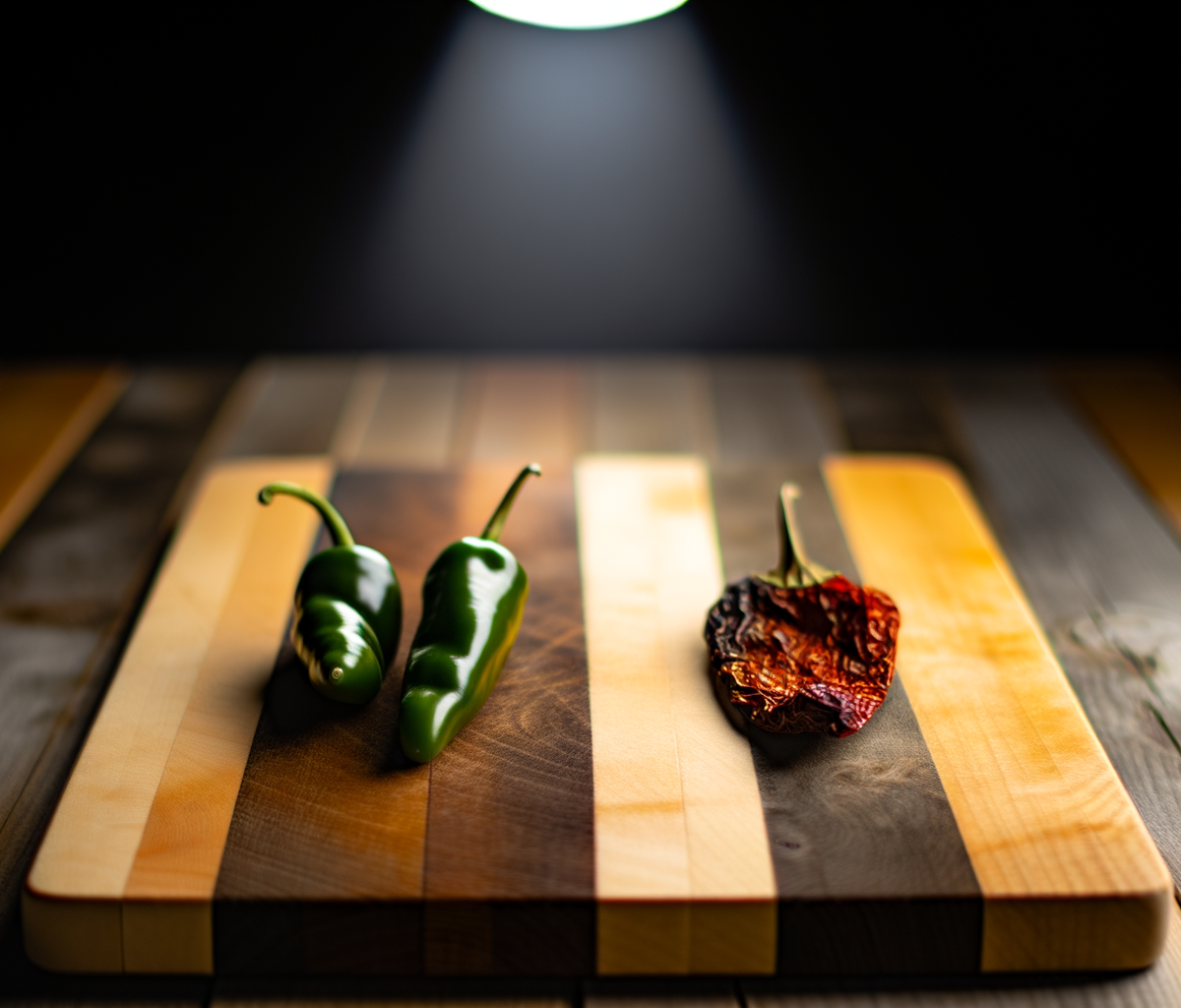
Jalapeños and guajillo peppers are both pillars of Mexican cuisine, but they play completely different roles in the kitchen. The key distinction isn't just about heat — it's about form. Jalapeños are typically used fresh with a bright, grassy bite, while guajillos are always used dried and bring a complex, fruity sweetness to sauces and stews. Their Scoville ranges actually overlap, but the flavor experience is worlds apart.
Quick Comparison Table
| Feature | Jalapeño | Guajillo |
|---|---|---|
| Scoville Heat Units | 2,500–8,000 SHU | 2,500–5,000 SHU |
| Form | Fresh (or pickled/smoked) | Dried |
| Origin | Mexico | Mexico |
| Size | 2–3.5 inches | 4–6 inches (dried) |
| Flavor | Bright, grassy, vegetal | Sweet, fruity, tangy, smoky |
| Skin | Smooth, thick | Leathery, translucent when held to light |
| Primary use | Salsas, toppings, poppers | Sauces, moles, adobos |
Heat Level Comparison
Surprisingly, these two peppers occupy similar territory on the Scoville scale. Jalapeños range from 2,500 to 8,000 SHU, while guajillos sit between 2,500 and 5,000 SHU. This makes guajillos slightly milder on average, but the overlap is significant.
However, the way you experience their heat differs considerably. A fresh jalapeño delivers an immediate, sharp bite that you feel right away. Guajillo heat is more gradual and mellow, building slowly as the dried pepper's capsaicin rehydrates and disperses through a sauce. Many people find guajillo heat more approachable even at comparable SHU levels.
The Fresh vs. Dried Distinction
This is the most fundamental difference between these peppers. Jalapeños are harvested and used fresh, giving them a crisp texture and bright, raw flavor. They can also be pickled, roasted, or smoked (becoming chipotle peppers), but their identity is rooted in freshness.
Guajillos are the dried form of the mirasol chili pepper. The drying process concentrates their sugars and develops complex flavor compounds that don't exist in fresh peppers. When you toast and rehydrate a guajillo, you unlock a rich, fruity depth that forms the backbone of countless Mexican sauces.
Flavor Deep Dive
Jalapeños taste green, grassy, and vegetal with a clean pepper flavor. There's a pleasant brightness to them that works equally well raw or cooked. Their flavor is straightforward and universally recognizable.
Guajillos are far more complex. They have a fruity sweetness reminiscent of berries or cranberries, with undertones of green tea and a mild tanginess. Some people detect hints of cherry or plum. This complexity is why guajillos are the most commonly used dried chili in Mexican cooking — they provide depth without overwhelming other flavors.
Culinary Applications
Jalapeños excel in:
- Fresh salsas and pico de gallo
- Classic jalapeño green sauce
- Stuffed poppers and nachos
- Pickled as condiments
- Raw as a topping or garnish
Guajillos excel in:
- Enchilada sauce (the classic red sauce base)
- Mole sauces (combined with other dried chilies)
- Adobo marinades for meats
- Pozole and birria
- Chili con carne with authentic depth
How to Use Guajillos
If you're familiar with jalapeños but new to guajillos, here's the basic technique: remove the stems and seeds from the dried guajillos, toast them in a dry skillet for about 30 seconds per side until fragrant, then soak them in hot water for 15 to 20 minutes. Blend the rehydrated peppers with the soaking liquid and other ingredients to create a smooth, rich sauce.
This is fundamentally different from jalapeño preparation, which typically involves simply chopping, slicing, or roasting the fresh pepper.
Can You Substitute One for the Other?
These peppers are not interchangeable in most recipes. A fresh jalapeño cannot replicate the deep, fruity complexity that a guajillo brings to a mole or enchilada sauce. Similarly, a rehydrated guajillo won't give you the fresh, crunchy bite of a jalapeño on nachos.
If you need a substitute for guajillos, dried ancho chilies or dried Anaheim peppers come closer in flavor and heat. For jalapeño substitutes, serrano peppers work well with a bit more heat.
Using Them Together
Some of the best Mexican dishes use both jalapeños and guajillos. A rich guajillo-based sauce might be finished with fresh jalapeño for brightness. Or a salsa might combine rehydrated guajillos for depth with fresh jalapeños for that green, punchy kick. Learning to layer dried and fresh peppers is one of the keys to authentic Mexican cooking.
Buying and Storage
Jalapeños are available fresh in virtually every grocery store year-round. Look for firm, smooth peppers without soft spots or wrinkles.
Guajillos are sold dried in the Mexican food aisle of most supermarkets, or in bags at Latin grocery stores where they're much cheaper. Dried guajillos keep for months in a cool, dark place. Look for peppers that are still pliable rather than brittle, which indicates freshness.
Frequently Asked Questions
Are guajillo peppers hotter than jalapeños? No. Guajillos are slightly milder on average at 2,500–5,000 SHU compared to jalapeños at 2,500–8,000 SHU. Their heat also feels more gradual and mellow.
Can I use guajillo peppers raw? Guajillos are always sold dried, so they need to be toasted and rehydrated before use. They aren't eaten raw like a fresh pepper.
What is the fresh version of a guajillo pepper? The fresh form of the guajillo is called a mirasol chili. However, mirasol peppers are rarely sold fresh in the United States.
Which pepper is more important in Mexican cooking? Both are essential, but for different reasons. Jalapeños are the go-to fresh pepper for salsas and toppings. Guajillos are the backbone of most red sauces and moles. A well-stocked Mexican kitchen has both.
More from the Blog
Jalapeño vs Habanero: How Different Are They Really?
Jalapeños and habaneros are two of the most popular chili peppers in the world, but they couldn't be more different. Here's everything you need to know about how they compare in heat, flavor, and cooking uses.
BlogJalapeño vs Poblano: Choosing the Right Pepper
Jalapeños and poblanos are both Mexican kitchen essentials, but they serve very different purposes. Here's how to choose between them for your next recipe.
BlogJalapeño vs Cayenne: Heat, Flavor & Cooking Uses
Jalapeños and cayenne peppers are both kitchen staples, but one is usually eaten fresh while the other dominates the spice rack. Here's a detailed comparison of heat, flavor, and the best ways to use each.