Jalapeño vs Hatch Chile: What's the Difference?
Jalapeños are available everywhere year-round, but Hatch chiles are a seasonal New Mexico specialty prized for their earthy, roasted flavor. Here's how these two peppers compare.
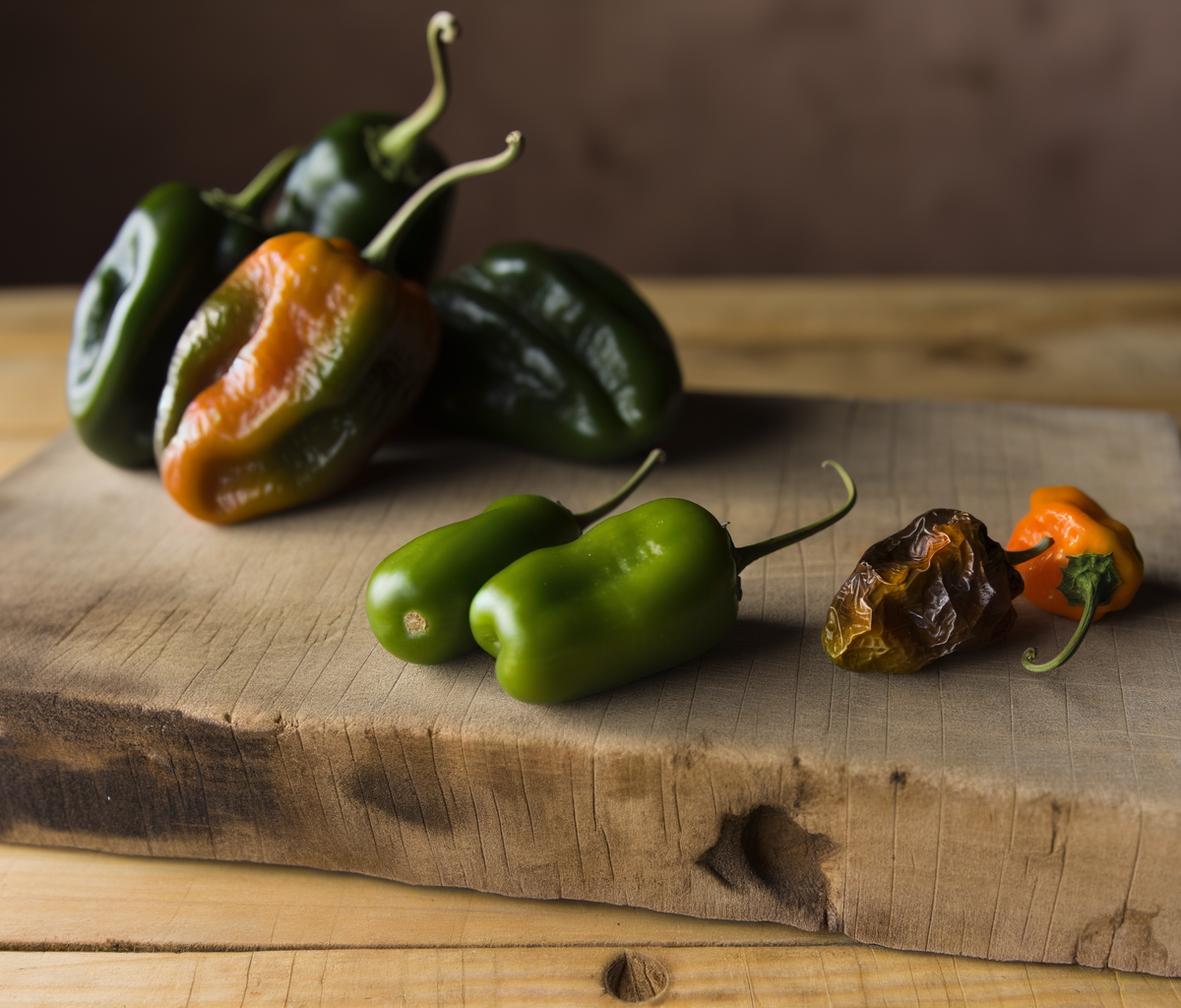
Jalapeño vs Hatch Chile: What's the Difference?
While jalapeños are the most widely recognized pepper in America, Hatch chiles hold a special, almost cult-like status among pepper enthusiasts. Grown exclusively in New Mexico's Hatch Valley, these chiles are celebrated for their earthy, complex flavor — especially when fire-roasted. The two peppers overlap in heat range but deliver very different culinary experiences, and availability is where the biggest difference lies.
| Feature | Jalapeño | Hatch Chile |
|---|---|---|
| Scoville Heat Units | 2,500–8,000 SHU | 1,000–8,000 SHU |
| Size | 2–4 inches | 5–9 inches |
| Shape | Short, thick-walled | Long, tapered, thinner walls |
| Flavor | Bright, grassy, crisp | Earthy, smoky, slightly sweet |
| Availability | Year-round, everywhere | Seasonal (Aug–Sept), limited |
| Origin | Mexico | Hatch Valley, New Mexico |
Heat & Scoville Comparison
Interestingly, jalapeños and Hatch chiles occupy a very similar range on the Scoville scale. Jalapeños measure 2,500 to 8,000 SHU, while Hatch chiles range from about 1,000 to 8,000 SHU depending on the variety. Hatch chiles come in mild, medium, and hot designations, so you can choose your heat level at purchase.
The mildest Hatch chiles are gentler than most jalapeños, similar to an Anaheim pepper (which makes sense, as some Hatch varieties are closely related to Anaheims). The hottest Hatch chiles match jalapeños in intensity. This similar heat range means either pepper can work in recipes where moderate heat is desired, though the flavor they contribute is quite different.
Flavor Profile
Jalapeños have a clean, bright, grassy taste with a crisp bite. They're fresh and vegetal, tasting distinctly of green pepper with a moderate kick. The flavor is straightforward and works well in a wide range of dishes without dominating other ingredients.
Hatch chiles are prized for their earthy, complex flavor profile. Raw, they have a mild, slightly sweet taste. But the magic happens when they're fire-roasted — a tradition in New Mexico where entire bushels are roasted in large rotating drums every fall. Roasting transforms Hatch chiles into something deeply earthy, with smoky, slightly nutty undertones and a subtle sweetness. The roasted flesh becomes soft and silky, perfect for peeling and adding to dishes.
The flavor of a roasted Hatch chile is unique and hard to replicate. It's the reason people drive hours to buy them during Hatch chile season and why New Mexicans are so passionate about their state pepper.
Best Uses in Cooking
Jalapeños are versatile everyday peppers. They're used in fresh salsas and green sauces, stuffed as poppers, pickled for toppings, sliced raw on nachos, and cooked into countless Mexican and Tex-Mex dishes. Their thick walls and crisp texture make them great for eating fresh or stuffing.
Hatch chiles are most commonly used after fire-roasting. Roasted Hatch chiles are chopped and added to green chile stew (a New Mexico staple), enchiladas, cheeseburgers, omelets, and cornbread. They're blended into creamy green chile sauces that are poured over burritos and tamales. Hatch chiles are also popular stuffed into chiles rellenos, layered into casseroles, and stirred into queso dip.
One of the most iconic uses is New Mexico green chile sauce — a simple but deeply flavorful sauce made from roasted Hatch chiles, garlic, onion, and broth. This sauce appears on nearly everything in New Mexico, from breakfast to dinner. It's distinctly different from jalapeño-based green sauces, offering a rounder, earthier heat.
Growing Comparison
Jalapeños grow well across most of the United States and are among the easiest peppers to cultivate. They mature in 70 to 80 days, produce abundantly, and adapt to various growing conditions including containers. They're an excellent choice for beginner gardeners.
Hatch chiles are a different story. True Hatch chiles are defined by their terroir — the specific soil, climate, and growing conditions of the Hatch Valley in southern New Mexico. The region's hot days, cool nights, and mineral-rich soil contribute to the chile's distinctive flavor. You can grow the same seed varieties elsewhere, but purists argue that the result won't be a true "Hatch" chile, much like how champagne must come from the Champagne region of France.
That said, the varieties commonly used for Hatch chiles (such as New Mexico 6-4, Big Jim, and Sandia) can be grown in other warm climates. They need a long growing season of 80 to 100 days, full sun, and warm soil. The plants grow larger than jalapeño plants and produce long, tapered peppers that are best harvested in late summer.
Availability & Price
This is the most significant practical difference between these peppers. Jalapeños are available at virtually every grocery store in North America, year-round, for $1 to $3 per pound. You never have to plan around jalapeño availability.
Hatch chiles are intensely seasonal. The harvest runs from August through September, and that brief window is when you'll find them fresh. During Hatch chile season, many grocery stores — especially in the Southwest — set up outdoor roasting stations where you can buy freshly roasted chiles by the bushel. Outside of season, you can find frozen roasted Hatch chiles at specialty stores and online retailers, typically for $8 to $15 per pound.
The seasonal scarcity is part of what makes Hatch chiles special. Each fall, devoted fans buy cases of freshly roasted chiles to freeze for the year ahead. It's a beloved annual tradition across the American Southwest.
Which Should You Choose?
For everyday cooking with wide availability, jalapeños are the practical choice. They're always in season, easy to find, affordable, and deliver reliable heat and flavor for Mexican, Tex-Mex, and American dishes.
For authentic New Mexican cuisine, special-occasion cooking, or if you're lucky enough to find them in season, Hatch chiles are worth seeking out. Their roasted flavor is truly special and creates dishes you simply can't achieve with jalapeños. If you're a pepper enthusiast who loves exploring different peppers on the Scoville scale, trying fresh-roasted Hatch chiles should be on your bucket list.
A smart approach: use jalapeños as your year-round staple, and stock up on roasted Hatch chiles during the fall season. Roasted Hatch chiles freeze beautifully and maintain their flavor for up to a year.
FAQ
Can I substitute jalapeños for Hatch chiles? In terms of heat, yes. But the flavor will be different. Roasted poblanos are a closer flavor substitute for Hatch chiles than jalapeños, as they share some of that earthy, roasted character.
What makes Hatch chiles special compared to other New Mexico chiles? Hatch chiles are grown specifically in the Hatch Valley region of southern New Mexico, where unique soil and climate conditions produce a distinctive flavor. The name "Hatch" refers to the growing region, not a specific variety. Several chile varieties are grown there, from mild to hot.
Can I roast jalapeños like Hatch chiles? You can certainly roast jalapeños, and they're delicious that way. However, roasted jalapeños retain more of their bright, grassy character and don't develop the same deep, earthy, smoky-sweet flavor that Hatch chiles are known for. They're different experiences.
How do I store Hatch chiles? Fresh Hatch chiles keep for about a week in the refrigerator. For long-term storage, roast them first, let them cool, and freeze them in sealed bags. Frozen roasted Hatch chiles maintain excellent flavor and texture for up to 12 months.
More from the Blog
Jalapeño vs Habanero: How Different Are They Really?
Jalapeños and habaneros are two of the most popular chili peppers in the world, but they couldn't be more different. Here's everything you need to know about how they compare in heat, flavor, and cooking uses.
BlogJalapeño vs Poblano: Choosing the Right Pepper
Jalapeños and poblanos are both Mexican kitchen essentials, but they serve very different purposes. Here's how to choose between them for your next recipe.
BlogJalapeño vs Cayenne: Heat, Flavor & Cooking Uses
Jalapeños and cayenne peppers are both kitchen staples, but one is usually eaten fresh while the other dominates the spice rack. Here's a detailed comparison of heat, flavor, and the best ways to use each.