Jalapeño vs Hungarian Wax Pepper: Which Is Hotter?
Hungarian wax peppers and jalapeños have overlapping Scoville ranges, but wax peppers can reach up to 15,000 SHU. Compare heat, flavor, and culinary uses of these two popular peppers.
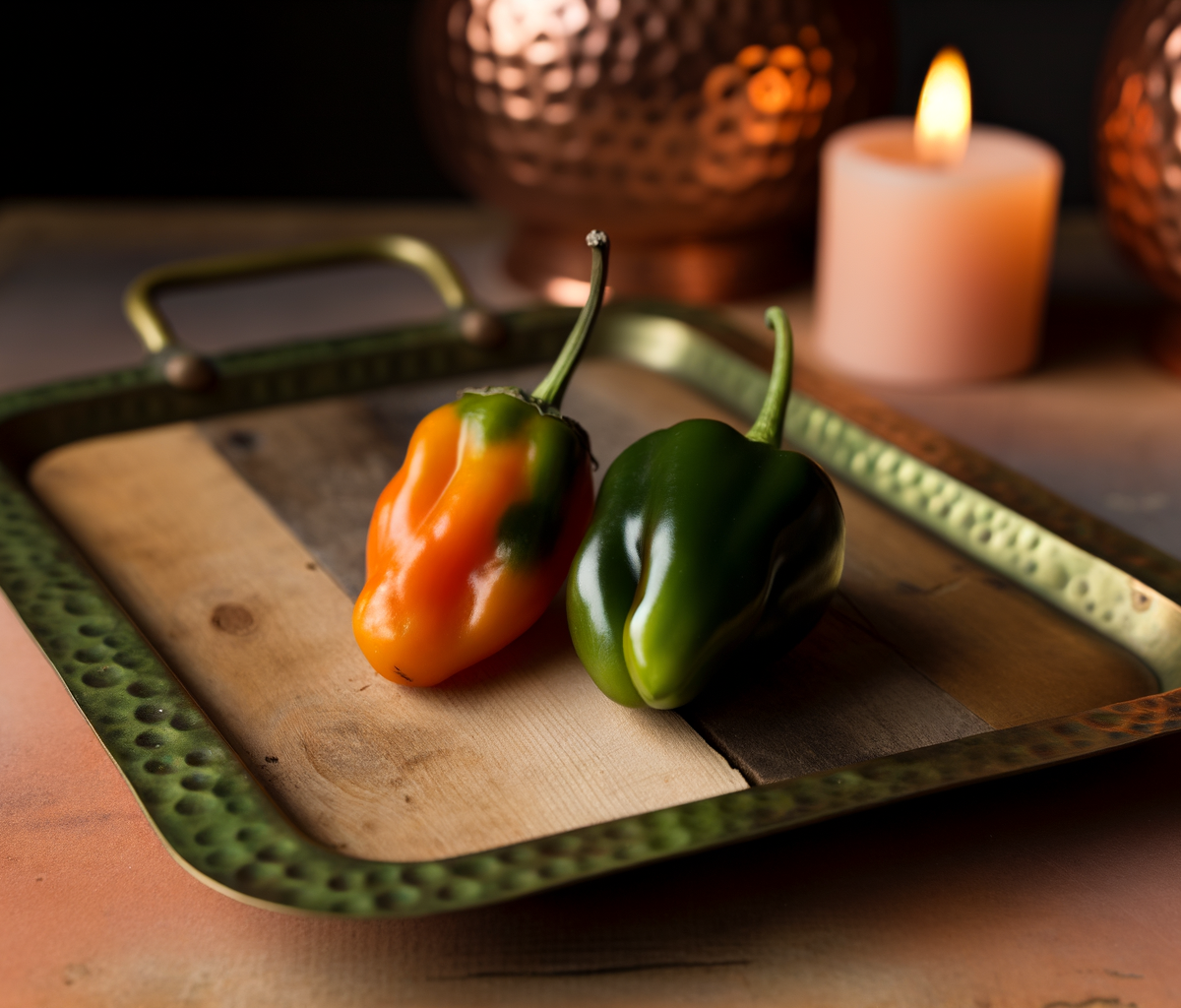
The Hungarian wax pepper and the jalapeño are closer in heat than many people realize, with overlapping Scoville ranges that make them near neighbors on the heat scale. But the Hungarian wax pepper can actually surpass the jalapeño, reaching up to 15,000 SHU compared to the jalapeño's 8,000 SHU ceiling. Beyond heat, these peppers bring very different flavors and textures to the table.
Quick Comparison Table
| Feature | Jalapeño | Hungarian Wax Pepper |
|---|---|---|
| Scoville Heat Units | 2,500–8,000 SHU | 1,000–15,000 SHU |
| Origin | Mexico | Hungary |
| Size | 2–3.5 inches | 4–6 inches |
| Shape | Conical, rounded | Long, tapered, curved |
| Flavor | Bright, grassy, vegetal | Tangy, waxy, slightly sweet |
| Wall thickness | Thick | Medium |
| Color when used | Typically green | Yellow to orange |
| Common confusion | None | Often confused with banana pepper |
Heat Level Analysis
The Scoville scale shows a wider range for Hungarian wax peppers (1,000–15,000 SHU) compared to jalapeños (2,500–8,000 SHU). This means that the mildest Hungarian wax pepper is actually gentler than the mildest jalapeño, but at the top end, a hot wax pepper nearly doubles the jalapeño's maximum.
In practice, most Hungarian wax peppers fall in the 5,000 to 10,000 SHU range, making them comparable to or slightly hotter than an average jalapeño. The variability is greater with wax peppers, so you might get a mild one or a surprisingly spicy one from the same batch.
Flavor Differences
Jalapeños deliver their trademark bright, grassy flavor — clean and vegetal with a recognizable green pepper character. They're crisp when raw and develop a roasted sweetness when cooked.
Hungarian wax peppers have a distinctly different flavor profile. They're tangier and waxier with a slight sweetness that intensifies as they ripen from yellow to orange to red. The flavor has a pleasant tartness that sets them apart from the jalapeño's earthy grassiness. Their waxy texture gives them a smooth, almost buttery mouthfeel.
Appearance
These peppers look quite different. Jalapeños are short, smooth, and dark green with a rounded conical shape. Hungarian wax peppers are long and curved, typically 4 to 6 inches, with a waxy, pale yellow skin that turns orange and then red as they mature.
Hungarian wax peppers are frequently confused with banana peppers due to their similar yellow color and elongated shape. However, banana peppers are much milder (0–500 SHU) and have thinner walls. If you pick up a yellow pepper at the grocery store thinking it's a mild banana pepper but it's actually a Hungarian wax, you're in for a spicy surprise.
Culinary Uses
Jalapeños work best in:
- Mexican salsas and green sauces
- Stuffed jalapeño poppers
- Pickled for nachos and tacos
- Diced into cornbread and chili
- Smoked as chipotle
Hungarian wax peppers work best in:
- Pickled whole or in rings (a Hungarian tradition)
- Stuffed with meat and rice
- Fried or sautéed as a side dish
- Hungarian stews and paprikash
- Fresh in salads and sandwiches
- Fermented for hot sauce
The Pickling Connection
Both peppers are excellent pickled, but the tradition is different. Pickled jalapeños (jalapeños en escabeche) are a Mexican staple, usually sliced into rings and pickled with carrots and onions in a vinegar brine.
Pickled Hungarian wax peppers are a Central European tradition, often pickled whole in a sweet-and-sour brine. They're a common condiment in Hungarian cuisine and can be found in many Eastern European delis. The tanginess of the wax pepper makes it particularly well-suited to pickling.
Growing Comparison
Both peppers are straightforward to grow in home gardens. Jalapeños are compact, productive plants that do well in most warm climates. Hungarian wax pepper plants tend to be slightly taller and produce fewer but larger peppers.
One advantage of Hungarian wax peppers for gardeners in cooler climates is that they mature relatively quickly and can tolerate slightly cooler temperatures than jalapeños. They're a good option for northern gardeners who want a pepper with real heat.
Substituting Between Them
Jalapeños and Hungarian wax peppers can substitute for each other in many recipes, though the flavor will shift. A jalapeño in place of a wax pepper will bring grassier, more vegetal notes. A wax pepper in place of a jalapeño will add a tangier, waxier quality.
For heat purposes, they're close enough to swap one-for-one in most dishes. If you want a milder option than either, try an Anaheim pepper. For more heat, step up to a serrano or cayenne.
Hungarian Wax vs. Banana Pepper
Since this confusion is so common, it bears emphasizing: Hungarian wax peppers and banana peppers are not the same thing. Banana peppers are very mild (0–500 SHU) with a sweet, tangy flavor and thin walls. Hungarian wax peppers are significantly hotter (up to 15,000 SHU) with thicker walls and more pungent flavor. At the grocery store, they're sometimes mislabeled, so taste a small piece before adding liberally to a dish.
Frequently Asked Questions
Are Hungarian wax peppers hotter than jalapeños? They can be. Hungarian wax peppers range from 1,000 to 15,000 SHU, while jalapeños range from 2,500 to 8,000 SHU. A hot wax pepper can be nearly double the heat of the hottest jalapeño.
Are Hungarian wax peppers the same as banana peppers? No. They look similar but banana peppers are much milder (0–500 SHU) while Hungarian wax peppers can reach 15,000 SHU. They're frequently confused at grocery stores.
Can I use Hungarian wax peppers in salsa? Absolutely. They make a tangier, slightly different salsa compared to jalapeño-based versions. The wax pepper's tartness can be a pleasant change of pace.
What is the best way to eat Hungarian wax peppers? Pickled is the most traditional preparation. They're also excellent stuffed with a meat-and-rice mixture and baked, or simply sautéed in butter as a side dish in the Hungarian style.
More from the Blog
Jalapeño vs Habanero: How Different Are They Really?
Jalapeños and habaneros are two of the most popular chili peppers in the world, but they couldn't be more different. Here's everything you need to know about how they compare in heat, flavor, and cooking uses.
BlogJalapeño vs Poblano: Choosing the Right Pepper
Jalapeños and poblanos are both Mexican kitchen essentials, but they serve very different purposes. Here's how to choose between them for your next recipe.
BlogJalapeño vs Cayenne: Heat, Flavor & Cooking Uses
Jalapeños and cayenne peppers are both kitchen staples, but one is usually eaten fresh while the other dominates the spice rack. Here's a detailed comparison of heat, flavor, and the best ways to use each.