Jalapeño vs Pepperoncini: How They Differ in Heat and Flavor
Jalapeños pack 2,500–8,000 SHU while pepperoncini stay mild at 100–500 SHU. Discover the flavor, heat, and culinary differences between these two popular peppers.
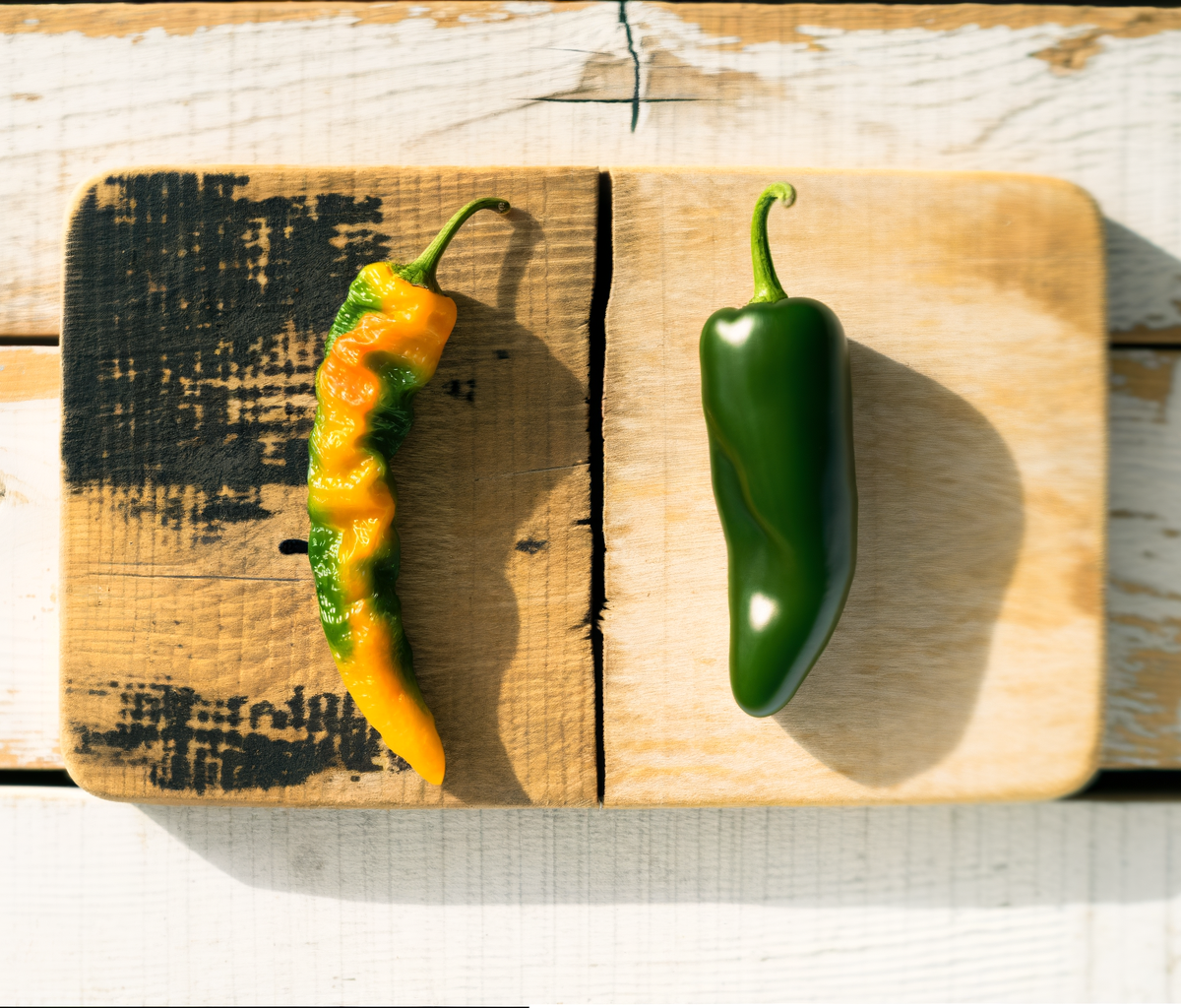
Pepperoncini and jalapeños are two of the most commonly encountered peppers in American kitchens, yet they deliver very different experiences. If you're wondering which to reach for, here's the quick answer: jalapeños are roughly 5 to 80 times hotter than pepperoncini and have a crisper, grassier flavor, while pepperoncini are tangy, mild, and almost always enjoyed pickled. Let's explore every angle of this comparison.
Quick Comparison Table
| Feature | Jalapeño | Pepperoncini |
|---|---|---|
| Scoville Heat Units | 2,500–8,000 SHU | 100–500 SHU |
| Origin | Mexico | Italy/Greece |
| Size | 2–3.5 inches | 2–5 inches |
| Flavor | Bright, grassy, vegetal | Tangy, sweet, mild |
| Wall thickness | Thick | Thin |
| Most common form | Fresh, pickled, or cooked | Pickled |
| Typical use | Salsas, poppers, toppings | Pizza, salads, sandwiches |
Heat Level Breakdown
On the Scoville scale, jalapeños measure between 2,500 and 8,000 SHU, which places them solidly in medium-heat territory. Pepperoncini clock in at just 100 to 500 SHU, making them one of the mildest chili peppers available.
To put this in perspective, even the mildest jalapeño is about five times hotter than the spiciest pepperoncini. Most people who are sensitive to heat will notice a clear and immediate difference between the two. Pepperoncini deliver a gentle tingle at most, while jalapeños provide a real kick that lingers.
Flavor Comparison
Jalapeños have a clean, bright, grassy flavor with a satisfying crunch when raw. Their taste is distinctly "pepper" — vegetal and slightly earthy with moderate heat that builds. Cooked jalapeños mellow somewhat and develop a roasted sweetness.
Pepperoncini are known for their tangy, slightly sweet flavor that comes primarily from the pickling process. Fresh pepperoncini have a mild, sweet pepper taste, but since almost all pepperoncini sold in the US come pickled in vinegar brine, most people associate them with that signature tangy zip. Their thin walls absorb the brine beautifully.
Appearance and Texture
Jalapeños are compact, thick-walled peppers with smooth, shiny skin. They feel substantial in your hand and have a satisfying snap when bitten.
Pepperoncini are longer, thinner, and more wrinkled with a slight curve. Their skin is thinner and more delicate, which is why they work so well for pickling — the brine permeates the flesh thoroughly. Fresh pepperoncini are lighter green than jalapeños and have a waxier appearance.
Culinary Uses
Best uses for jalapeños:
- Fresh salsas and green sauces
- Jalapeño poppers (stuffed and fried)
- Pickled for nachos and tacos
- Diced into cornbread and mac and cheese
- Smoked to make chipotle peppers
Best uses for pepperoncini:
- Pizza topping (classic pairing)
- Antipasto platters and charcuterie boards
- Submarine sandwiches and Italian hoagies
- Greek salads
- Mississippi pot roast (a viral recipe staple)
- Garnish for Bloody Marys
The Pickling Factor
While both peppers can be pickled, pepperoncini are almost exclusively consumed in their pickled form in the United States. The vinegar brine amplifies their natural tanginess and creates the signature flavor most people know.
Pickled jalapeños, on the other hand, are one of several popular ways to enjoy the pepper. Jalapeños are equally at home fresh, roasted, stuffed, smoked, or dried. This versatility gives jalapeños an edge in the kitchen for cooks who want options.
Can You Substitute One for the Other?
Substituting pepperoncini for jalapeños will dramatically reduce the heat and change the flavor profile. It can work in salads and sandwiches where you want pepper flavor without the burn, but it won't work in salsas or hot sauces where jalapeño heat is essential.
Going the other way, pickled jalapeños can replace pepperoncini on pizza or sandwiches if you want more heat. Just be aware that the flavor is different — jalapeños are grassier and less tangy than pepperoncini. An Anaheim pepper might be a closer substitute in terms of mild heat level.
Nutritional Notes
Both peppers are low in calories and provide vitamin C. Jalapeños have more capsaicin, which research has linked to potential metabolic and anti-inflammatory benefits. However, pickled pepperoncini can be high in sodium due to their brine, so keep that in mind if you're watching salt intake.
Growing Comparison
Jalapeños are one of the easiest peppers to grow at home, producing abundant fruit in warm weather. Pepperoncini are also straightforward to grow and actually mature a bit faster than jalapeños. Both thrive in full sun with consistent watering. If you enjoy pickling, growing your own pepperoncini and making your own brine can yield superior results to store-bought jars.
Frequently Asked Questions
Are pepperoncini hotter than jalapeños? No. Pepperoncini are much milder at 100–500 SHU compared to jalapeños at 2,500–8,000 SHU. Jalapeños are roughly 5 to 80 times hotter.
Are pepperoncini the same as banana peppers? No, though they're often confused. Banana peppers are slightly longer and have a milder, more neutral flavor. Pepperoncini are tangier with thinner walls. They have a similar heat range, though.
Can I use pepperoncini in salsa instead of jalapeños? You can, but the salsa will be very mild and will have a tangy pickled note. For salsa with real heat, stick with jalapeños or try a serrano pepper for even more kick.
Why are pepperoncini always pickled? Fresh pepperoncini are delicate and spoil quickly. Pickling preserves them while enhancing their natural tanginess, which is why the pickled version became the standard in American markets.
More from the Blog
Jalapeño vs Habanero: How Different Are They Really?
Jalapeños and habaneros are two of the most popular chili peppers in the world, but they couldn't be more different. Here's everything you need to know about how they compare in heat, flavor, and cooking uses.
BlogJalapeño vs Poblano: Choosing the Right Pepper
Jalapeños and poblanos are both Mexican kitchen essentials, but they serve very different purposes. Here's how to choose between them for your next recipe.
BlogJalapeño vs Cayenne: Heat, Flavor & Cooking Uses
Jalapeños and cayenne peppers are both kitchen staples, but one is usually eaten fresh while the other dominates the spice rack. Here's a detailed comparison of heat, flavor, and the best ways to use each.