Mucho Nacho Jalapeño: The Giant Jalapeño Perfect for Stuffing
The Mucho Nacho jalapeño produces peppers up to 4 inches long — significantly larger than standard jalapeños. Learn why this jumbo variety is perfect for poppers and stuffed peppers.
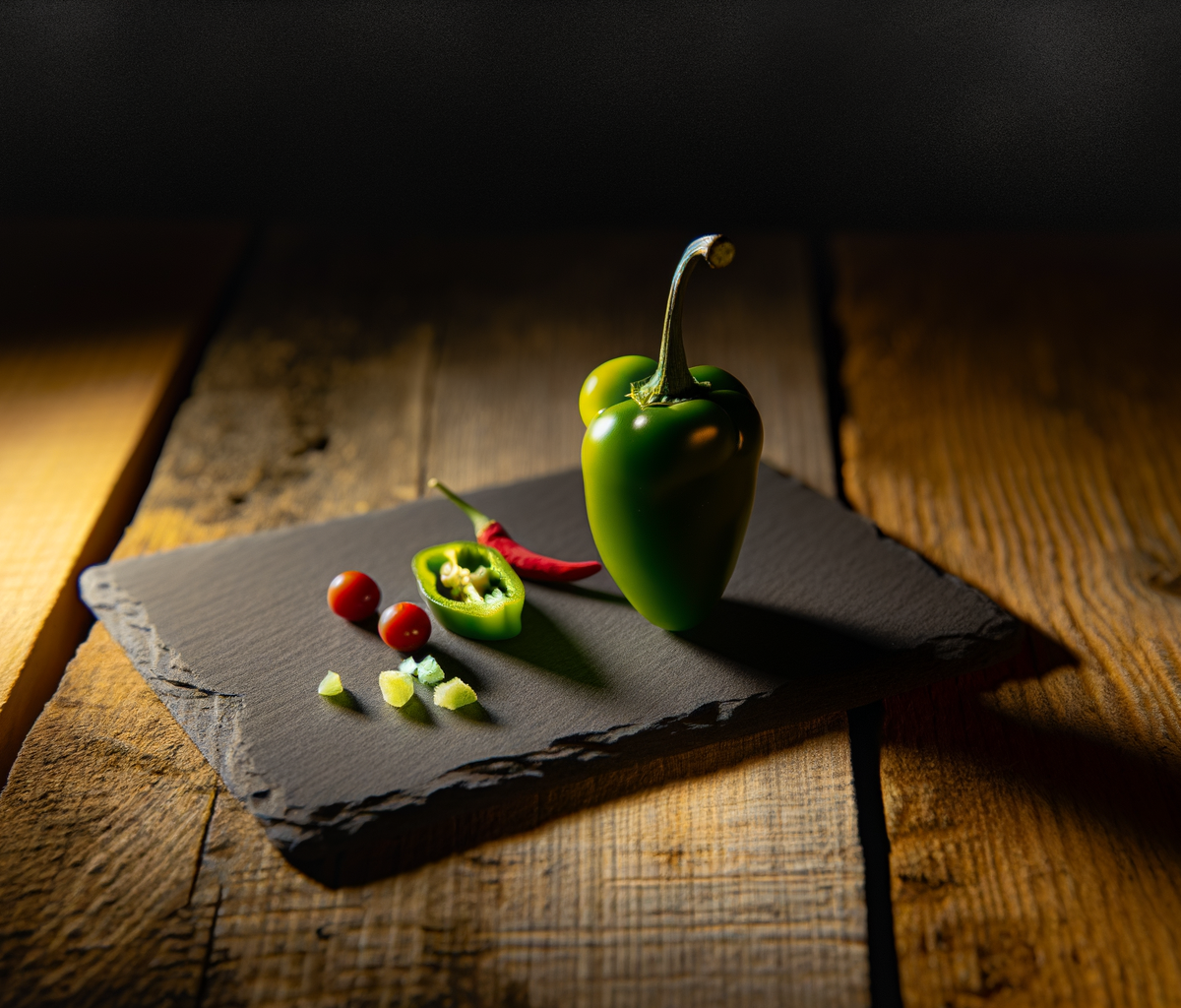
If you've ever tried to stuff a standard jalapeño and wished for more room to work with, the Mucho Nacho jalapeño is about to become your new favorite variety. These jumbo jalapeños grow up to 4 inches long and 1.5 inches wide, giving you substantially more space for fillings while delivering the same great heat and flavor you expect from a jalapeño. Here's why serious popper lovers and home gardeners should know about this impressive variety.
What Makes Mucho Nacho Special?
The Mucho Nacho is a hybrid jalapeño variety developed specifically for larger fruit size. While a typical jalapeño measures 2 to 3.5 inches, Mucho Nachos consistently produce peppers 3.5 to 4 inches long with a wider girth. That might not sound like a huge difference on paper, but when you're holding the two side by side, the Mucho Nacho looks like a jalapeño on steroids.
The extra size translates directly into more usable space for stuffing. The wider cavity means you can pack in more cream cheese, cheddar, sausage, or whatever your preferred filling might be. It also means thicker walls, which hold up better during baking or grilling without collapsing.
Heat Level
Mucho Nacho jalapeños are true jalapeños in heat, ranging from 4,000 to 8,000 SHU on the Scoville scale. This puts them in the medium range, matching or slightly exceeding the average heat of a standard jalapeño. They're hotter than mild varieties like the TAM jalapeño but well below peppers like the serrano or habanero.
The heat distributes evenly through the thick walls, and the seeds and membranes carry the most capsaicin as with any jalapeño. For stuffed preparations, removing the seeds and membranes tames the heat significantly while keeping plenty of jalapeño flavor.
Flavor Profile
Flavor-wise, Mucho Nachos taste like a classic jalapeño — bright, grassy, vegetal, and slightly sweet. The thicker walls provide a meatier texture and a more pronounced crunch when eaten raw. When cooked, they have a satisfying substance that thinner-walled peppers lack.
Some growers note that Mucho Nachos can develop corking (those white stretch marks on jalapeños) more readily than standard varieties. This corking is actually a sign of a mature pepper and is associated with a slightly sweeter, more developed flavor.
Growing Mucho Nacho Jalapeños
Mucho Nacho plants are vigorous growers that produce impressively large harvests.
Starting: Begin seeds indoors 8 to 10 weeks before your last frost date. Germination takes 10 to 14 days at 75 to 85 degrees Fahrenheit.
Transplanting: Move outdoors after all frost danger passes. These plants benefit from slightly wider spacing than standard jalapeños — 18 to 24 inches apart — because the plants tend to be larger and more branching.
Support: Unlike standard jalapeño plants, Mucho Nacho plants may benefit from staking or caging once they're loaded with heavy fruit. The large peppers can weigh branches down, especially after rain.
Sun and water: Full sun (6 to 8 hours minimum) and consistent watering. Like all jalapeños, they prefer deep, infrequent watering over frequent shallow watering.
Harvest: Mucho Nachos mature in 68 to 75 days after transplanting. Harvest when peppers are dark green and firm. They'll turn red if left on the plant, developing additional sweetness.
Yield: Expect 25 to 40 peppers per plant under good conditions. The combination of large size and high yield makes Mucho Nacho one of the most productive jalapeño varieties in terms of total pepper weight.
Perfect for Stuffed Peppers
The Mucho Nacho's claim to fame is stuffing, and it earns that reputation:
- Jalapeño poppers — The extra cavity space means more filling per pepper, and the thick walls won't fall apart during frying or baking
- Bacon-wrapped jalapeños — Larger size makes wrapping easier and more visually impressive
- Cheese-stuffed grilled jalapeños — They hold together beautifully on the grill
- Jalapeño boats — Split them lengthwise and load up with toppings like a miniature canoe
Other Great Uses
Beyond stuffing, Mucho Nachos work well for:
- Sliced rings — Bigger peppers yield more uniform, impressive rings for nachos and burgers
- Pickling — The thick walls hold up beautifully in a vinegar brine
- Salsas — More flesh means more jalapeño flavor per pepper in your green sauce
- Drying — Thicker walls produce meatier dried peppers
- Chipotle-style smoking — The extra size yields larger, more impressive smoked peppers
Mucho Nacho vs. Standard Jalapeño
| Feature | Mucho Nacho | Standard Jalapeño |
|---|---|---|
| Length | 3.5–4 inches | 2–3.5 inches |
| Width | ~1.5 inches | ~1 inch |
| Heat (SHU) | 4,000–8,000 | 2,500–8,000 |
| Wall thickness | Very thick | Thick |
| Days to harvest | 68–75 | 65–80 |
| Best for | Stuffing, slicing | All-purpose |
| Seed type | Hybrid | Open-pollinated/hybrid |
| Yield | High | High |
Where to Find Seeds
Mucho Nacho jalapeño seeds are available from major seed suppliers including Burpee, Park Seed, Johnny's Selected Seeds, and most online pepper seed retailers. As a hybrid variety, saved seeds won't produce true-to-type plants, so you'll need to buy fresh seeds each season.
Some nurseries also sell Mucho Nacho transplants in spring, which is convenient if you don't want to start from seed. Look for them alongside other jalapeño varieties in the vegetable transplant section.
Tips for the Biggest Peppers
To maximize the size of your Mucho Nacho jalapeños:
- Don't crowd plants — Give them room to branch out
- Feed regularly — A balanced fertilizer every two weeks supports large fruit development
- Pick early peppers — Removing the first few peppers encourages the plant to put energy into larger later fruits
- Water consistently — Stress causes smaller peppers
- Provide support — Staking prevents branches from breaking under the weight of heavy fruit
More from the Blog
Carolina Reaper: The World's Hottest Pepper
Everything you need to know about the Carolina Reaper, including its Scoville rating, flavor profile, growing tips, and safety precautions.
BlogTAM Jalapeño: The Mild Jalapeño Bred for Less Heat
The TAM jalapeño was specifically bred at Texas A&M University to deliver classic jalapeño flavor with significantly less heat. Learn about this mild variety's history, growing tips, and best uses.
BlogPurple Jalapeño Pepper: Growing the Most Beautiful Jalapeño
The purple jalapeño is a stunning ornamental-meets-culinary pepper that produces deep violet fruits. Learn how to grow this eye-catching jalapeño variety and what it tastes like.