White Flies on Pepper Plants: Identification and Control
Whiteflies are tiny flying insects that can devastate pepper plants if left unchecked. Learn to identify them early and use effective natural and organic control methods.
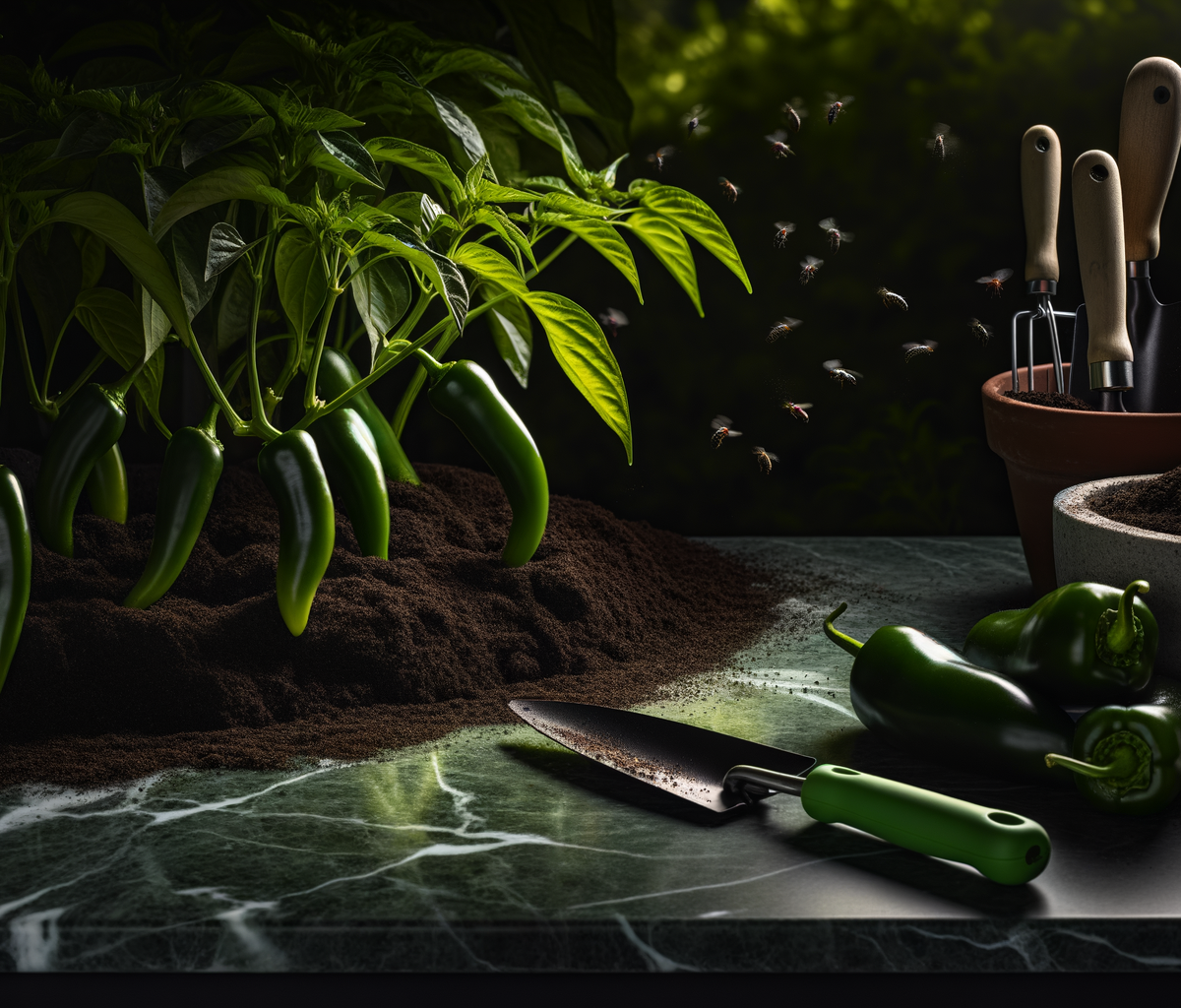
White Flies on Pepper Plants: Identification and Control
Whiteflies are small, winged insects that feed on the sap of pepper plants, and they're one of the most persistent pests you'll encounter in the garden. If you've noticed tiny white insects fluttering up in a cloud when you brush against your jalapeño, serrano, or habanero plants, you're likely dealing with a whitefly infestation. These pests reproduce rapidly and can cause serious damage if not addressed promptly.
Whiteflies weaken plants by draining sap, and their honeydew excretions create conditions for sooty mold and can transmit viral diseases. The good news is that with early detection and consistent treatment, whiteflies can be managed effectively using natural methods.
Identifying Whiteflies
What Do Whiteflies Look Like?
Adult whiteflies are tiny (about 1–2 millimeters long), white, moth-like insects with powdery white wings. Despite their name, they're not true flies—they're more closely related to aphids and scale insects. When you disturb an infested plant, adults fly up in a characteristic white cloud before quickly resettling.
Whitefly nymphs are even smaller and harder to spot. They're flat, oval, scale-like creatures that attach themselves to the undersides of leaves. They don't move once they settle into a feeding position and can be mistaken for tiny bumps or eggs on the leaf surface.
Common Whitefly Species on Peppers
The two species most likely to infest your pepper plants are:
- Silverleaf whitefly (Bemisia tabaci): The more damaging of the two. Causes leaf silvering and uneven ripening on fruit. Can transmit plant viruses.
- Greenhouse whitefly (Trialeurodes vaporariorum): Common in greenhouses and indoor growing setups. Slightly larger than silverleaf whiteflies.
Signs of Whitefly Damage
Look for these indicators of a whitefly problem:
- White cloud when plants are disturbed: The most obvious sign—adults scatter and fly when leaves are shaken or touched.
- Sticky leaves (honeydew): Like aphids, whiteflies excrete a sweet, sticky substance that coats leaf surfaces.
- Sooty mold: A black, powdery fungal growth that colonizes honeydew deposits, reducing the plant's ability to photosynthesize.
- Yellowing leaves: Sap loss causes leaves to yellow, curl, and eventually drop, particularly on lower and inner portions of the plant.
- Stunted or distorted new growth: Heavy infestations reduce the plant's vigor and can distort developing leaves and flowers.
- Silvery or pale patches on leaves: Particularly associated with silverleaf whitefly feeding.
How to Get Rid of Whiteflies Naturally
Yellow Sticky Traps
Whiteflies are strongly attracted to the color yellow. Hanging yellow sticky traps among your pepper plants captures adult whiteflies and helps reduce the breeding population. Place traps at canopy height, one every few feet. These also serve as an excellent early warning system—check traps regularly to catch infestations before they become severe.
Insecticidal Soap
Insecticidal soap is highly effective against whiteflies at all life stages. Apply a thorough coating to all plant surfaces, paying special attention to the undersides of leaves where nymphs feed. The soap must make direct contact with the insects to work, so coverage is critical.
Mix according to label directions, or make your own with 1 tablespoon of pure castile soap per quart of water. Apply in the early morning or late evening when temperatures are cooler. Repeat every 5–7 days for at least three applications to catch newly hatching nymphs.
Neem Oil
Neem oil disrupts whitefly feeding and reproduction. Mix according to label directions and spray all plant surfaces thoroughly. Neem is most effective as a preventative and against immature whiteflies. It takes several days to show full effect, so patience is important. Apply weekly until the infestation is under control. Avoid spraying in direct sunlight or temperatures above 90°F.
Reflective Mulch
Silver or aluminum reflective mulch placed around the base of pepper plants confuses whiteflies by reflecting light upward. Studies have shown that reflective mulch can reduce whitefly populations by 50–70% compared to standard mulch. It also helps repel aphids and can be combined with other control methods for maximum effect.
Beneficial Insects
Several natural predators feed on whiteflies:
- Encarsia formosa: A tiny parasitic wasp that lays its eggs inside whitefly nymphs. One of the most effective biological controls, especially in greenhouse settings.
- Ladybugs: Both adults and larvae eat whitefly nymphs and eggs.
- Lacewing larvae: Voracious general predators that consume whiteflies along with aphids and other soft-bodied pests.
- Delphastus catalinae: A small beetle that specializes in feeding on whitefly eggs and nymphs.
Attract these beneficial insects by incorporating companion plants like sweet alyssum, marigolds, and dill into your garden.
Horticultural Oil
Lightweight horticultural oil (also called summer oil) smothers whitefly eggs and nymphs on contact. Apply when temperatures are below 85°F and plants are well-watered to minimize the risk of leaf burn. Ensure thorough coverage of leaf undersides.
Vacuum Removal
For small-scale infestations, a handheld vacuum or shop vac can physically remove adult whiteflies from plants. Do this in the early morning when temperatures are cool and whiteflies are less active. Immediately seal and dispose of the vacuum bag or empty the canister into soapy water.
Integrated Control Strategy
For best results, combine multiple methods:
- Monitor: Hang yellow sticky traps to detect whiteflies early.
- Physical removal: Vacuum adults and spray nymphs off with water.
- Treat: Apply insecticidal soap or neem oil weekly.
- Recruit allies: Encourage or introduce beneficial insects.
- Protect: Use reflective mulch as a deterrent.
Consistency is key. Whiteflies have a rapid life cycle (about 25 days from egg to adult in warm weather), so a single treatment rarely solves the problem. Plan for at least 3–4 weeks of regular intervention.
Prevention Tips
- Inspect new plants: Whiteflies frequently arrive on transplants from nurseries. Check the undersides of leaves carefully before introducing new plants to your garden.
- Maintain plant health: Strong, healthy plants tolerate and recover from pest pressure better than stressed ones. Follow proper watering and fertilizer practices.
- Avoid over-fertilizing with nitrogen: Excessive nitrogen produces tender, succulent growth that whiteflies and other sap-suckers prefer.
- Improve air circulation: Well-spaced plants with good airflow are less attractive to whiteflies than dense, humid plantings.
- Remove heavily infested plants: Sometimes removing one badly infested plant saves the rest of the garden.
- Clean up garden debris: Whiteflies can overwinter on plant debris and weeds. Clear away old plants at the end of the season.
- Use row covers: Lightweight floating row covers over young plants physically exclude whiteflies during the vulnerable establishment period. Remove when flowering begins to allow pollination.
For a complete overview of pepper plant pest management, see our pests and diseases guide.
Frequently Asked Questions
Can whiteflies kill my pepper plant?
A severe, prolonged whitefly infestation can kill a young or already stressed pepper plant. Established, healthy plants are more resilient but will suffer reduced growth and fruit production under heavy pest pressure. The greater risk from whiteflies is often the plant viruses they can transmit, which may cause permanent damage.
What is the fastest way to get rid of whiteflies?
Insecticidal soap applied directly to the insects provides the fastest knockdown. Spray thoroughly, covering all leaf surfaces, and you'll see results within hours. However, you'll need to repeat applications every 5–7 days to catch newly emerging nymphs that weren't affected by the initial spray.
Do whiteflies live in the soil?
No. Whiteflies live and complete their entire life cycle on plant foliage. Eggs, nymphs, and adults are all found on leaves, primarily on the undersides. They do not pupate in or emerge from soil. This is why foliar treatments are the primary control method.
Can I use the same treatments for whiteflies and aphids?
Yes. Insecticidal soap, neem oil, and many of the same beneficial insects are effective against both whiteflies and aphids. Since both pests produce honeydew and are soft-bodied sap feeders, control strategies overlap significantly. The main difference is that whiteflies are mobile fliers, making yellow sticky traps an important additional tool.
More from the Blog
How to Grow Jalapeños Indoors: Complete Apartment Guide
Everything you need to know about growing jalapeño peppers indoors, from choosing the right containers and soil to hand-pollination and harvesting in your apartment.
BlogWhy Are My Jalapeño Leaves Turning Yellow? 7 Causes & Fixes
Yellowing jalapeño leaves are usually caused by overwatering, nutrient deficiencies, or pest damage. Here are 7 common causes and exactly how to fix each one.
BlogWhen to Pick Jalapeños: The Perfect Harvest Timing Guide
Learn exactly when to pick jalapeños for the best flavor and heat. Covers visual cues like size, color, and corking to help you harvest at the perfect time.