How to Top Jalapeño Plants: When and Why to Pinch Them
Learn how to top (pinch) jalapeño plants to encourage bushier growth and higher yields. Covers the best timing, step-by-step technique, and what to expect afterward.
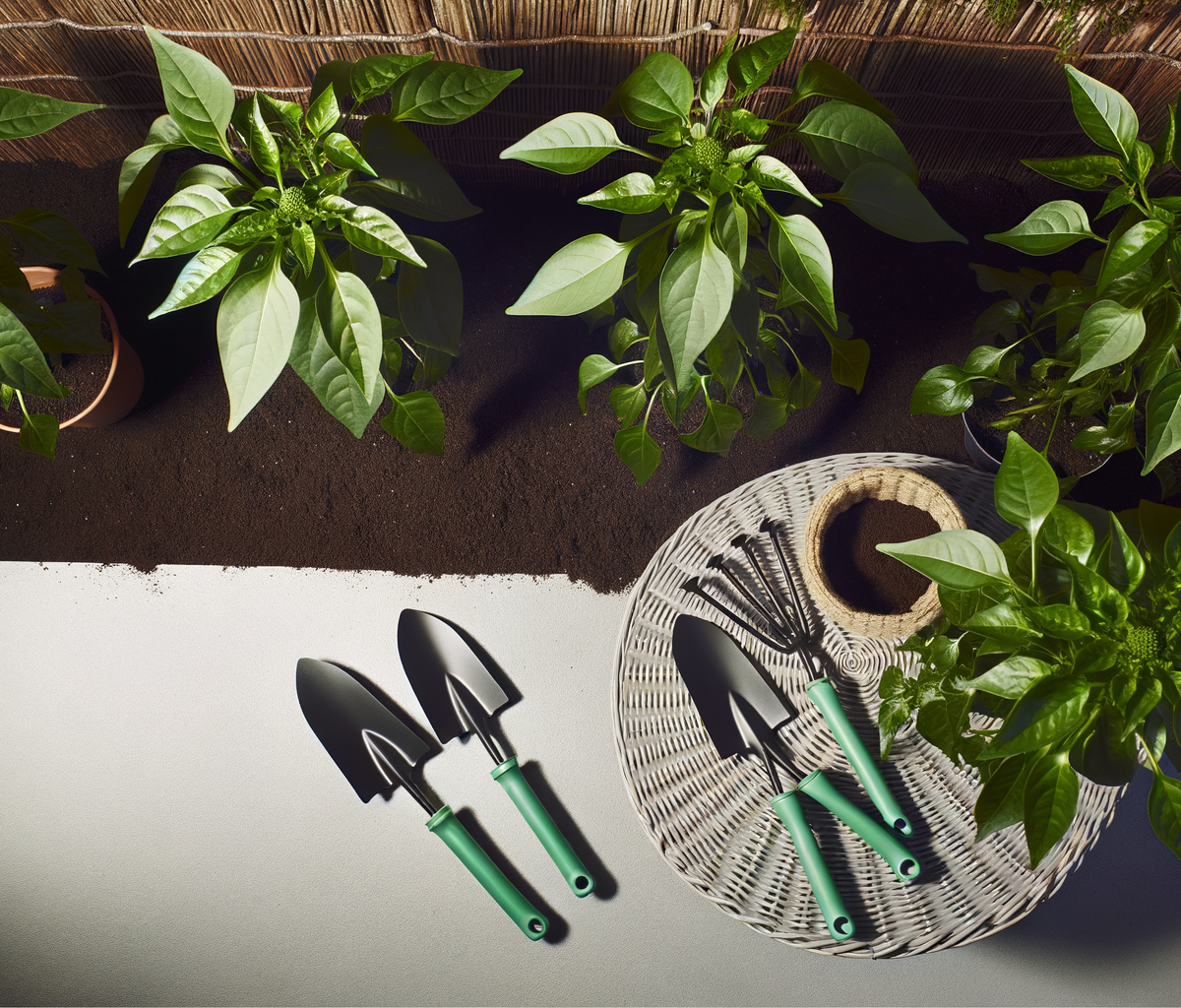
How to Top Jalapeño Plants: When and Why to Pinch Them
Topping a jalapeño plant means pinching or cutting off the main growing tip to force the plant to branch out. It's one of the easiest and most effective techniques for increasing your pepper harvest. When you remove that single dominant tip, the plant responds by sending out two or more side branches, each of which will eventually produce flowers and fruit. The result is a bushier, more productive plant.
If you're wondering whether topping is worth the temporary setback in growth, the answer for most growers is a definitive yes. Let's break down exactly when to do it, how, and what happens next.
What Is Topping?
Topping is the practice of removing the apical meristem — the very tip of the main stem where new growth originates. In nature, this dominant tip produces hormones (auxins) that suppress the growth of side branches below it. This is called apical dominance. When you remove the tip, those hormones drop, and dormant buds along the stem activate, each growing into a new branch.
The principle is the same reason a hedge grows thicker when you trim it. For jalapeño plants specifically, topping transforms a tall, narrow plant into a wide, bushy one with many more fruiting sites.
When to Top Jalapeño Plants
Timing is critical. Top too early and you'll stunt a seedling that doesn't have enough energy reserves. Top too late and you'll delay fruiting significantly.
The ideal window is when your plant is 8–12 inches tall with 4–6 sets of true leaves. This usually occurs 6–8 weeks after starting from seed, depending on your growing conditions. At this stage, the plant has a well-established root system and enough foliage to recover quickly.
Do not top:
- Seedlings under 6 inches tall
- Plants that are stressed from recent transplanting
- Plants already setting fruit (it's too late — you'll just lose production time)
- Within a week of any major environmental change
How to Top: Step-by-Step
Step 1: Identify the Growing Tip
Look at the very top of your plant's main stem. You'll see a cluster of tiny, tightly packed new leaves — this is the growing tip. Below it, you should see nodes (the points where leaves and branches attach to the stem).
Step 2: Choose Your Cut Point
Count down 1–2 nodes below the growing tip. You want to cut just above a node that has visible leaf buds or small side shoots emerging. This is where the new branches will grow from.
Step 3: Make the Cut
Using clean fingers, scissors, or pruners, remove the growing tip with a clean cut. You're only removing about 1–2 inches of growth. If using scissors, sterilize them with rubbing alcohol first to prevent disease transmission.
Step 4: Wait and Watch
Within 3–7 days, you'll notice the buds at the node below your cut start to swell and elongate. Within 2 weeks, you should have two (sometimes three or four) distinct new branches growing. Each of these branches will eventually develop its own growing tip, which you can optionally top again for even more branching.
Should You Top More Than Once?
Many experienced growers top their jalapeños twice. After the first topping produces two branches, they wait until each branch is 4–6 inches long and top those as well. This creates four main branches and a very wide, productive canopy.
However, each topping delays fruit production by 1–2 weeks. If you have a short growing season, stick with one topping. If you grow in a warm climate with a long season, or indoors under grow lights, double-topping is worthwhile.
Topping vs. Not Topping: What to Expect
| Factor | Un-topped Plant | Topped Plant |
|---|---|---|
| Shape | Tall, narrow | Short, bushy |
| Main branches | 1 dominant stem | 2–4+ main branches |
| First fruit | 1–2 weeks earlier | 1–2 weeks later |
| Total yield | Moderate | 20–40% higher |
| Wind resistance | Lower (top-heavy) | Higher (wider base) |
The temporary delay in fruiting is easily offset by the increased total harvest. Most growers who try topping once never go back.
Tips for Best Results
- Provide good nutrition after topping. The plant needs energy to push out new growth. Make sure it has adequate fertilizer, especially nitrogen during this vegetative phase.
- Ensure strong lighting. A topped plant with insufficient light will produce weak, leggy branches instead of sturdy ones. If growing indoors, keep lights 12–18 inches above the canopy.
- Don't prune other parts simultaneously. Topping is already a stress event. Give the plant a week to recover before doing any other pruning.
- Water consistently. Avoid drought stress during the recovery period. The plant needs steady moisture to fuel new branch growth.
What Happens to the Cut Tip?
The piece you pinch off is just a tiny bit of stem and a few small leaves — it won't root or grow into a new plant (unlike tomato suckers, which root easily). Simply discard it or add it to your compost.
Topping Container-Grown Jalapeños
Topping is especially valuable for container-grown peppers. Since containers limit root space and overall plant size, a bushier shape makes better use of the available energy. A topped container jalapeño stays more compact and produces more fruit within its constrained environment.
For container plants, one topping session is usually sufficient. Double-topping can create a canopy that's too wide for smaller pots.
Frequently Asked Questions
Will topping make my jalapeño plant produce hotter peppers?
Topping itself doesn't directly increase heat, but a bushier plant with better fruit distribution can produce peppers that ripen more evenly. Stress and environment are bigger factors in capsaicin production. To understand more about the Scoville scale and what influences pepper heat, check our detailed guide.
Can I top jalapeño plants that are already flowering?
It's not ideal. If the plant is already flowering, topping removes active flower sites and delays production. You're better off letting it fruit naturally at this point. If it's very early in the season and only has a few flowers, you can still top and remove those early blooms.
Is topping the same as pruning?
Topping is one specific type of pruning. Pruning is a broader term that includes removing lower branches, dead leaves, suckers, and spent flowers. Topping specifically refers to removing the main growing tip to encourage branching. For a complete overview of all pruning techniques, see our pruning guide.
How do I know if my topped plant is recovering properly?
Within a week, you should see small green growth emerging from the node(s) just below your cut. The existing leaves should remain green and healthy. If the plant wilts, drops leaves, or shows no new growth after two weeks, check for root issues, watering problems, or insufficient light.
More from the Blog
How to Grow Jalapeños Indoors: Complete Apartment Guide
Everything you need to know about growing jalapeño peppers indoors, from choosing the right containers and soil to hand-pollination and harvesting in your apartment.
BlogWhy Are My Jalapeño Leaves Turning Yellow? 7 Causes & Fixes
Yellowing jalapeño leaves are usually caused by overwatering, nutrient deficiencies, or pest damage. Here are 7 common causes and exactly how to fix each one.
BlogWhen to Pick Jalapeños: The Perfect Harvest Timing Guide
Learn exactly when to pick jalapeños for the best flavor and heat. Covers visual cues like size, color, and corking to help you harvest at the perfect time.