How to Transplant Jalapeño Seedlings Without Shock
Learn how to transplant jalapeño seedlings without causing transplant shock. Covers timing, hardening off, technique, and aftercare for a smooth transition.
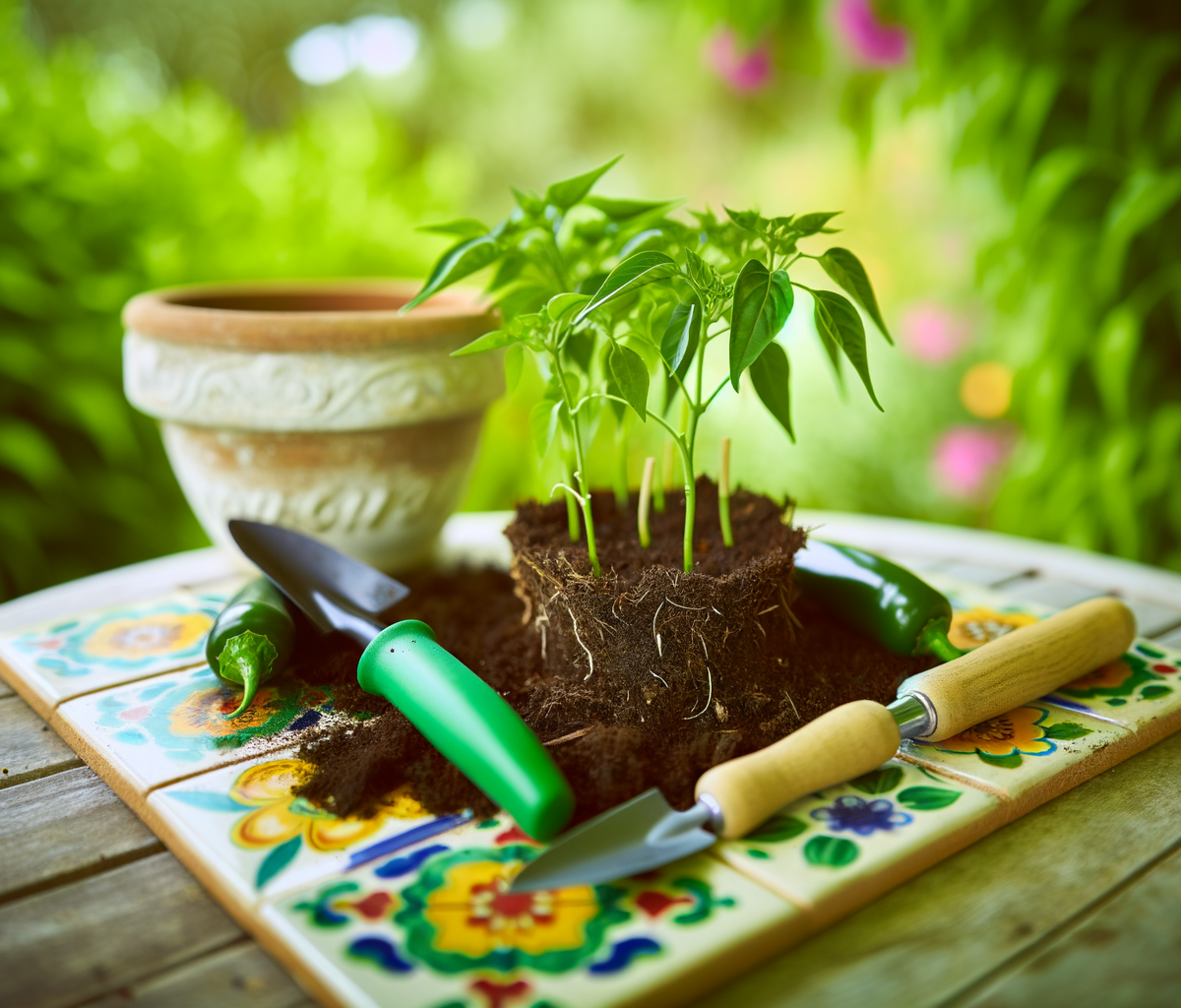
How to Transplant Jalapeño Seedlings Without Shock
Transplanting jalapeño seedlings from their starter pots into the garden or larger containers is a critical moment in the growing season. Done right, your plants barely skip a beat. Done poorly, transplant shock can set them back weeks — or kill them entirely. The key to a smooth transplant is preparation: harden off your seedlings first, transplant at the right time, and handle the roots with care.
The short answer is that you should transplant when nighttime temperatures stay consistently above 55°F (13°C), your seedlings have 4–6 true leaves, and you've spent at least 7–10 days gradually hardening them off. Let's walk through the complete process.
What Is Transplant Shock?
Transplant shock occurs when a plant's roots are disturbed and it suddenly faces new environmental conditions — different light levels, wind, temperature swings, and soil characteristics. Symptoms include:
- Wilting despite adequate water
- Yellowing lower leaves
- Dropped flowers or buds
- Stunted growth for 1–3 weeks
- In severe cases, plant death
Jalapeño seedlings are particularly susceptible because they're warm-season plants that dislike cold soil and root disturbance. But with proper technique, you can minimize or eliminate these symptoms.
When to Transplant
By Plant Size
Transplant when seedlings are 4–6 inches tall with 4–6 sets of true leaves and a sturdy stem. If your seedling is tall and leggy with thin stems, it needs more light before transplanting. Give it a week or two under stronger grow lights first.
By Temperature
- Soil temperature: At least 65°F (18°C). Use a soil thermometer.
- Nighttime air temperature: Consistently above 55°F (13°C).
- Daytime air temperature: 70–85°F (21–29°C).
In most zones, this means transplanting 2–3 weeks after your last frost date. Rushing it into cold soil is one of the most common mistakes. Cold roots don't absorb water or nutrients efficiently, and the plant just sits there looking sad.
By Calendar
See our guide on when to start jalapeño seeds indoors for zone-specific timing that works backward from your transplant date.
Step 1: Harden Off Your Seedlings
This is the most important step and the one most often skipped. Seedlings grown indoors are accustomed to consistent temperature, humidity, and filtered light. Moving them directly outdoors into full sun and wind will shock them badly.
Hardening off takes 7–10 days. Start by placing seedlings outside in a shaded, sheltered spot for 1–2 hours, then bring them back in. Gradually increase outdoor time and sun exposure each day until they're spending full days outside. Our hardening off guide covers the complete daily schedule.
Step 2: Prepare the Planting Site
Before transplanting, get the destination ready:
- In-ground: Amend soil with compost. Jalapeños prefer well-draining soil with a pH of 6.0–6.8. Dig holes slightly larger than the root ball.
- Containers: Use a high-quality potting mix, not garden soil. Choose pots at least 3–5 gallons. See our container growing guide for specifics.
- Spacing: Plant jalapeños 14–18 inches apart in rows 24–36 inches apart. Proper spacing ensures good airflow and reduces disease pressure.
Step 3: Transplant in the Evening or on a Cloudy Day
Transplanting during the heat of the day adds unnecessary stress. The ideal time is late afternoon or on an overcast day when the sun isn't beating down. This gives roots a cool overnight period to start settling in before facing full sun.
Step 4: Water Before and After
- Before: Water your seedlings thoroughly 1–2 hours before transplanting. Moist soil holds together around the roots, protecting them during the move.
- After: Water the transplant hole deeply immediately after planting. This eliminates air pockets around the roots and ensures good soil-to-root contact.
Step 5: Handle Roots Gently
When removing the seedling from its pot:
- Squeeze the pot gently to loosen the soil.
- Turn it upside down and let gravity help the plant slide out. Support the stem between your fingers.
- If roots are circling the bottom (root-bound), gently tease them apart with your fingers. Don't tear them — just loosen the outer layer so they grow outward into the new soil.
- Place the plant in the hole at the same depth it was growing (or slightly deeper — jalapeños can root from buried stem nodes).
- Fill in with soil, press gently to firm, and water deeply.
Step 6: Provide Protection
For the first week after transplanting, pamper your seedlings:
- Shade cloth or row cover: If temperatures exceed 85°F or sun is intense, provide temporary shade for 3–5 days.
- Wind protection: Young transplants with limited root systems can't handle strong wind. Use a temporary windbreak if needed.
- Mulch: Apply 2–3 inches of organic mulch around (not touching) the stem. This regulates soil temperature and moisture.
Step 7: Hold Off on Fertilizing
Don't fertilize for at least 1–2 weeks after transplanting. Fresh transplants need to establish roots first, and concentrated fertilizer can burn tender new root growth. After 2 weeks, begin a regular fertilizer program.
Signs of Transplant Shock (and What to Do)
- Mild wilting: Normal for the first 1–2 days. Keep soil moist but not waterlogged. The plant should perk up by evening.
- Yellow lower leaves: The plant is dropping older leaves to conserve energy. Not ideal, but not fatal. Ensure consistent watering.
- Severe wilting lasting 3+ days: Check for root damage. Provide shade and mist leaves in the morning. If roots were badly damaged, recovery may take 2–3 weeks.
Frequently Asked Questions
Can I transplant jalapeño seedlings directly from indoors to outdoors?
No — or at least, not without significant risk. Skipping the hardening off process almost guarantees transplant shock. Indoor seedlings haven't developed the waxy cuticle or strengthened cell walls needed to handle direct sun, wind, and temperature fluctuations. Always harden off for 7–10 days.
How deep should I plant jalapeño transplants?
Plant at the same depth as the original container, or up to 1 inch deeper. Unlike tomatoes, jalapeños don't aggressively root from buried stems, but slightly deeper planting provides stability and encourages some additional root development.
What if a late frost is predicted after I transplant?
Cover your transplants with frost cloth, buckets, or large pots overnight. Even a single night below 32°F (0°C) can kill jalapeño seedlings. If frost is a regular risk, it's too early to transplant — bring them back inside and wait.
Should I remove flowers before transplanting?
Yes. Pinch off any flowers or small fruit before transplanting. You want the plant to focus all its energy on establishing roots in the new location, not on fruit production. Flowers will return within 2–3 weeks once the plant is settled.
More from the Blog
How to Grow Jalapeños Indoors: Complete Apartment Guide
Everything you need to know about growing jalapeño peppers indoors, from choosing the right containers and soil to hand-pollination and harvesting in your apartment.
BlogWhy Are My Jalapeño Leaves Turning Yellow? 7 Causes & Fixes
Yellowing jalapeño leaves are usually caused by overwatering, nutrient deficiencies, or pest damage. Here are 7 common causes and exactly how to fix each one.
BlogWhen to Pick Jalapeños: The Perfect Harvest Timing Guide
Learn exactly when to pick jalapeños for the best flavor and heat. Covers visual cues like size, color, and corking to help you harvest at the perfect time.