Jalapeño Plant Spacing: How Far Apart to Plant for Best Results
Get the right jalapeño plant spacing for maximum yield and healthy growth. Covers in-ground, raised bed, and container spacing with specific measurements.
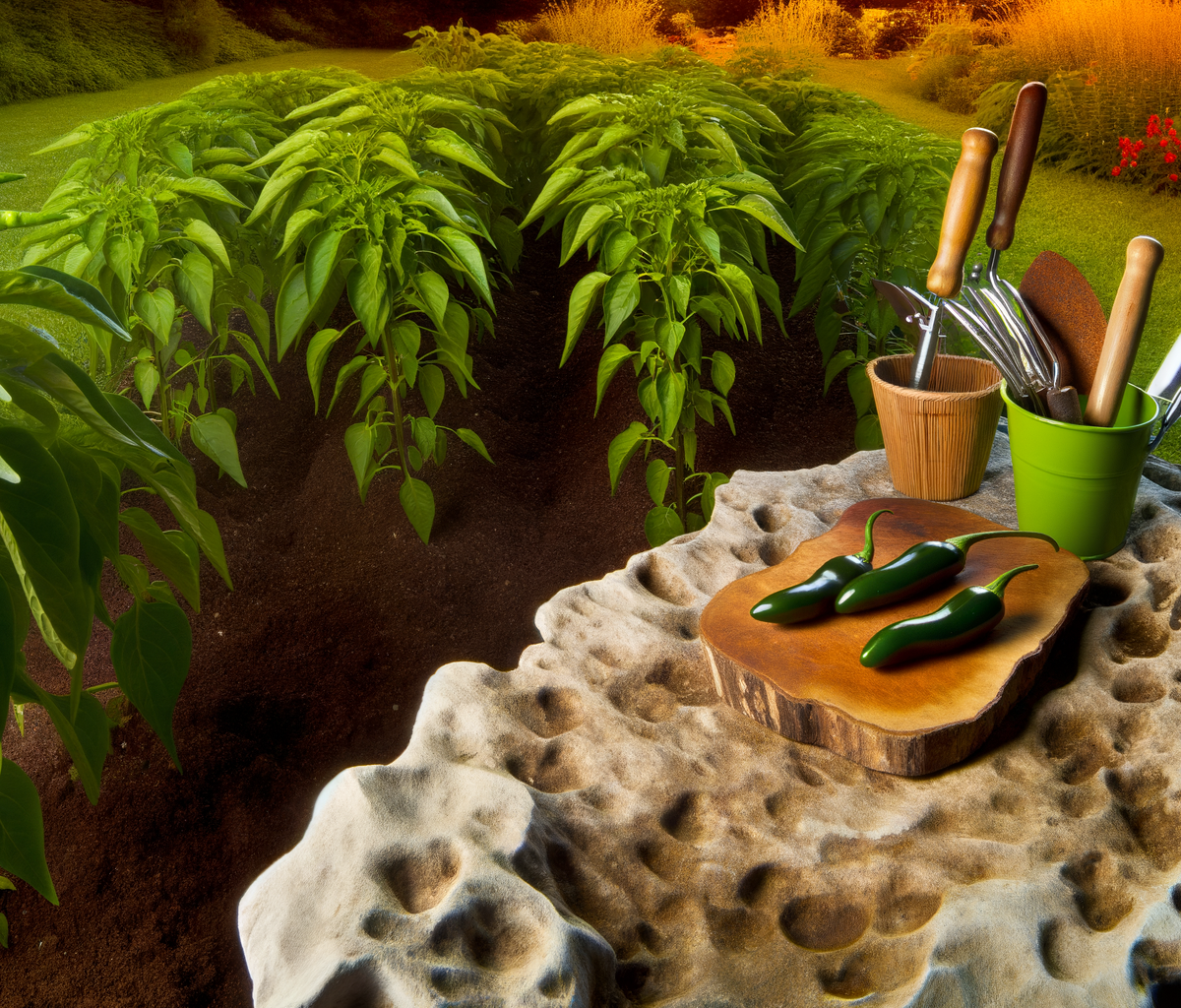
Jalapeño Plant Spacing: How Far Apart to Plant for Best Results
The ideal spacing for jalapeño plants is 14–18 inches apart within rows and 24–36 inches between rows. Getting spacing right matters more than many growers realize — too close and you'll battle disease, poor airflow, and reduced yields. Too far apart and you waste valuable garden space. The exact distance depends on your growing method, variety, and whether you plan to prune.
Proper spacing gives each jalapeño plant room to develop a full canopy, access adequate sunlight, and receive good air circulation around its foliage. Here's how to dial in the perfect distance for your setup.
Why Spacing Matters
Jalapeño plants grow 24–36 inches tall and 18–24 inches wide at maturity. When plants crowd each other, several problems arise:
- Reduced airflow leads to fungal diseases like powdery mildew and bacterial leaf spot
- Shading of lower branches reduces fruit production
- Competition for water and nutrients stresses all plants
- Pest pressure increases because dense foliage creates hiding spots and humidity traps
- Harvesting becomes difficult when branches tangle together
Conversely, plants spaced too far apart don't shade the soil between them, which can lead to rapid soil moisture loss and increased weed pressure.
Spacing by Growing Method
In-Ground Garden Beds
- Between plants: 14–18 inches
- Between rows: 24–36 inches
For most home gardeners planting standard jalapeño varieties, 16 inches between plants and 30 inches between rows is a reliable default. This allows comfortable access for watering, fertilizing, and harvesting while giving each plant adequate room.
If you plan to prune your plants for bushier growth, lean toward the wider end (18 inches) since topped plants spread wider than unpruned ones.
Raised Beds
- Between plants: 14–16 inches in all directions (grid pattern)
Raised beds typically have richer soil and better drainage than in-ground plots, so you can space slightly closer. A 4×4 foot raised bed can comfortably hold 4–6 jalapeño plants arranged in a staggered grid pattern. This means two rows of 2–3 plants, offset so each plant sits in the gap of the row in front of it.
A 4×8 raised bed can hold 8–12 plants. Avoid the temptation to squeeze in more — overcrowding in raised beds is even more problematic because the contained soil dries out faster when more root systems compete for moisture.
Containers
For container growing, spacing is determined by pot size rather than distance between plants:
- One plant per 3–5 gallon container (minimum)
- One plant per 5-gallon bucket (recommended)
- Two plants per 10–15 gallon container (if placed 12+ inches apart)
Place containers at least 12 inches apart so foliage doesn't overlap. Good airflow between container plants prevents moisture buildup and disease.
Square Foot Gardening
In the square foot gardening system, jalapeños are typically planted one per square foot. This equates to 12-inch spacing, which is on the tight side. It works if you maintain good soil fertility and prune lower branches for airflow, but 1.5–2 square feet per plant is more comfortable for larger jalapeño varieties.
Spacing for Different Jalapeño Varieties
Not all jalapeños are the same size at maturity:
| Variety | Plant Size | Recommended Spacing |
|---|---|---|
| Standard Jalapeño (Early, M) | 24–30" tall, 18–20" wide | 14–16" apart |
| TAM Jalapeño | 20–24" tall, 16–18" wide | 12–14" apart |
| Jalapeño Gigante | 30–36" tall, 20–24" wide | 18–20" apart |
| NuMex Vaquero | 24–30" tall, 18–22" wide | 16–18" apart |
| Mucho Nacho | 28–34" tall, 20–24" wide | 16–18" apart |
If you're unsure of your variety, 16 inches is a safe middle ground.
Companion Planting and Spacing Adjustments
If you're interplanting jalapeños with companion plants, you'll need to adjust spacing to accommodate both crops. Common companions like basil can be tucked into the spaces between jalapeño plants without requiring extra room. Taller companions like tomatoes need their own spacing — keep them at least 24 inches from your nearest jalapeño.
What Happens When Plants Are Too Close
If you've already planted too closely and your plants are crowding each other, you have a few options:
- Prune aggressively. Remove lower branches and thin interior foliage to improve airflow.
- Remove every other plant. If you planted at 8-inch spacing, removing alternating plants gives you 16-inch spacing. The remaining plants will thank you.
- Transplant extras. If plants are still young (under 12 inches), carefully dig up every other one and move it to a new location or a container.
- Manage proactively. Apply preventive fungicide, water at the base (not overhead), and monitor closely for pest and disease issues.
Maximizing Yield Per Square Foot
If your goal is the most peppers per unit of garden space, 14–16 inch spacing with regular pruning and aggressive fertilization is the most productive approach. Here's the strategy:
- Space plants at 14–16 inches
- Top each plant at 10–12 inches tall
- Remove lower branches for airflow
- Feed every 2 weeks with balanced fertilizer
- Water consistently with drip irrigation at the base
- Mulch between plants to retain moisture and suppress weeds
This intensive approach requires more attention but can produce 50+ peppers per plant in a compact area.
Frequently Asked Questions
Can I plant two jalapeño plants in the same hole?
This is sometimes done but not recommended. Two plants in one hole compete for water, nutrients, and root space. Each plant will produce less than if grown individually. If you want dense planting, space them 10–12 inches apart in separate holes rather than doubling up.
Does spacing affect how hot my jalapeños get?
Spacing itself doesn't directly affect heat level, but overcrowding causes plant stress, which can increase capsaicin production slightly. However, the stressed plant also produces fewer and smaller peppers, so the tradeoff isn't worth it. Well-spaced, healthy plants produce a better overall harvest.
How far should jalapeños be from other pepper varieties?
For eating purposes, cross-pollination between pepper varieties doesn't affect the current season's fruit. Your jalapeños won't become hotter if planted next to a habanero, and a bell pepper won't become spicy next to your jalapeños. Cross-pollination only matters if you're saving seeds — in that case, separate varieties by at least 50–100 feet.
What about vertical spacing? Do jalapeños need stakes or cages?
Most jalapeño plants are sturdy enough to support themselves, but heavy producers benefit from a single stake or small tomato cage, especially in windy areas. Insert the stake at planting time to avoid damaging roots later. This is especially important for plants spaced closely, where one falling plant can topple its neighbor.
More from the Blog
How to Grow Jalapeños Indoors: Complete Apartment Guide
Everything you need to know about growing jalapeño peppers indoors, from choosing the right containers and soil to hand-pollination and harvesting in your apartment.
BlogWhy Are My Jalapeño Leaves Turning Yellow? 7 Causes & Fixes
Yellowing jalapeño leaves are usually caused by overwatering, nutrient deficiencies, or pest damage. Here are 7 common causes and exactly how to fix each one.
BlogWhen to Pick Jalapeños: The Perfect Harvest Timing Guide
Learn exactly when to pick jalapeños for the best flavor and heat. Covers visual cues like size, color, and corking to help you harvest at the perfect time.