Jalapeño M vs Early Jalapeño: Which Variety Should You Grow?
Jalapeño M is the classic standard variety while Early Jalapeño matures faster. Compare these two popular jalapeño varieties to decide which is right for your garden.
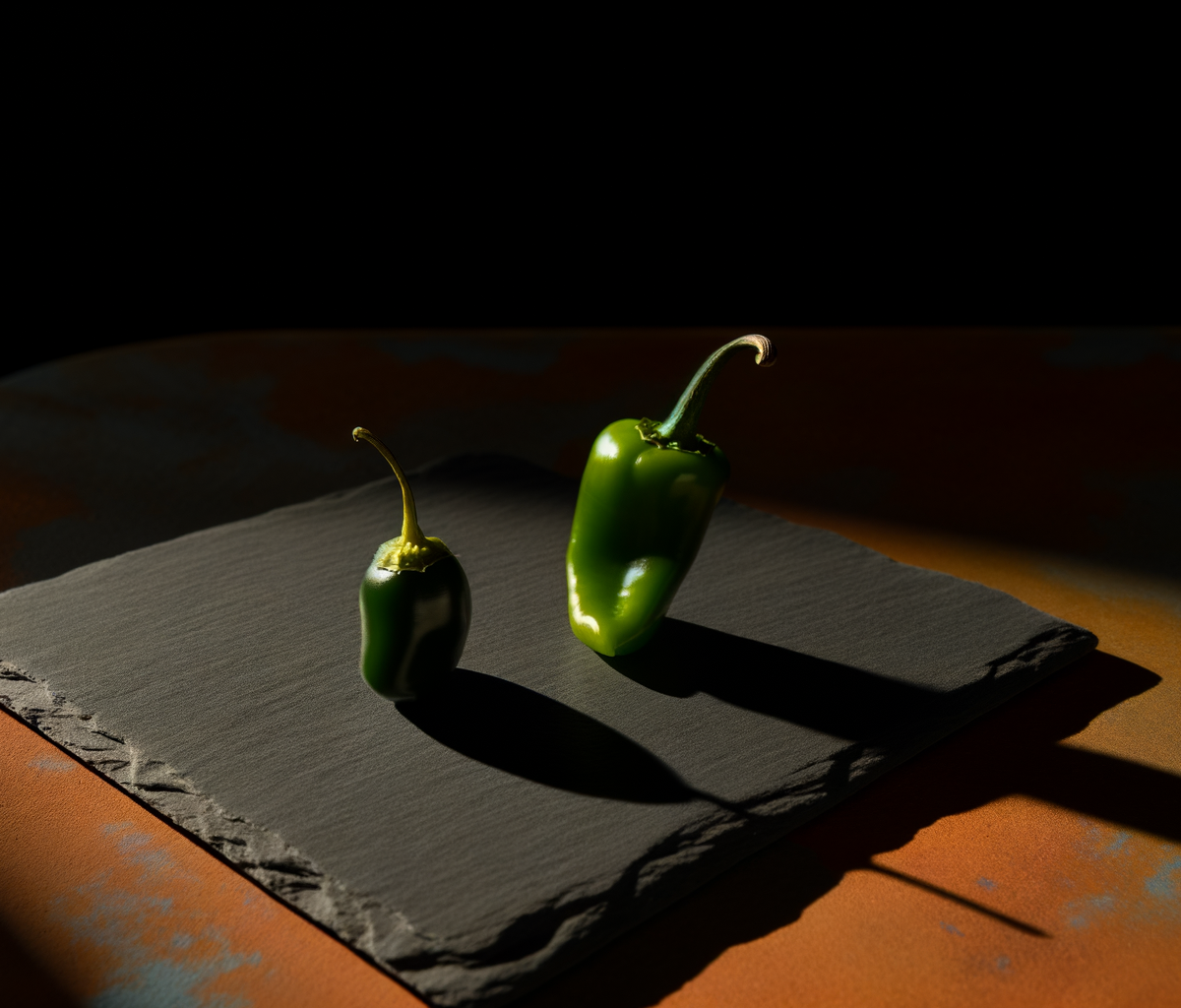
Choosing between Jalapeño M and Early Jalapeño is one of the most common dilemmas for home pepper gardeners. Both are excellent, reliable varieties, but they serve slightly different purposes. Jalapeño M is the classic standard — the jalapeño most seed catalogs think of as "the" jalapeño — while Early Jalapeño is the speed champion, maturing roughly two weeks faster. Here's a detailed comparison to help you decide.
Quick Comparison Table
| Feature | Jalapeño M | Early Jalapeño |
|---|---|---|
| Days to harvest | 72–80 | 60–65 |
| Pepper size | 3–3.5 inches | 2–3 inches |
| Heat (SHU) | 2,500–8,000 | 2,500–5,000 |
| Plant height | 24–36 inches | 18–24 inches |
| Wall thickness | Thick | Medium-thick |
| Yield per plant | 25–35 peppers | 20–30 peppers |
| Best climate | Warm, long season | Any, especially short season |
| Seed type | Open-pollinated | Open-pollinated |
What Is Jalapeño M?
Jalapeño M (sometimes written as "Jalapeño M" or "Jalapeno M") is considered the standard, benchmark jalapeño variety. When people picture a jalapeño, they're usually imagining a Jalapeño M. It's the variety that most closely represents the "ideal" jalapeño in terms of size, heat, flavor, and appearance.
The "M" designation comes from its development history and is used to distinguish it from other named varieties. It's been a staple of seed catalogs for decades and remains one of the most widely grown jalapeño varieties in both commercial agriculture and home gardens.
What Is Early Jalapeño?
The Early Jalapeño is a variety bred specifically for speed. It matures in about 60 to 65 days after transplanting, compared to the Jalapeño M's 72 to 80 days. This two-week advantage makes it the go-to choice for gardeners in short-season climates or anyone who wants to harvest jalapeños as quickly as possible.
The trade-off for this speed is slightly smaller peppers and marginally lower heat on average. But for many gardeners, these are acceptable compromises.
Heat Comparison
Both varieties sit comfortably in the medium range on the Scoville scale, but Jalapeño M has a higher ceiling. Jalapeño M ranges from 2,500 to 8,000 SHU, while Early Jalapeño typically tops out around 5,000 SHU. In practice, the average Jalapeño M pepper tends to be moderately hotter than the average Early Jalapeño.
If heat is a priority for your cooking — for green sauces, hot salsas, or spicy pickled peppers — Jalapeño M gives you a better chance of getting reliably spicy peppers. If consistent mild-to-medium heat works for your palate, Early Jalapeño delivers nicely.
Flavor Differences
Both varieties taste like jalapeños — bright, grassy, and vegetal. The flavor differences are subtle, but Jalapeño M is often described as having a slightly more complex, developed flavor with deeper green pepper notes. This is likely related to the longer maturation time, which allows more flavor compounds to develop.
Early Jalapeño has a clean, straightforward jalapeño flavor that works perfectly in every application. Unless you're doing side-by-side taste tests, most people won't notice a difference.
Size and Appearance
This is where the differences become more noticeable. Jalapeño M peppers are consistently larger — 3 to 3.5 inches long with thick walls and a classic tapered shape. They're the size most people expect from a jalapeño.
Early Jalapeños are smaller, typically 2 to 3 inches, with walls that are slightly less thick. They're perfectly functional peppers, but if you're making stuffed jalapeño poppers or want impressive-looking sliced rings, Jalapeño M is the better choice.
Growing Considerations
Choose Jalapeño M if:
- You have a growing season of at least 100 warm days
- You want the largest, most classic-looking jalapeños
- Maximum heat potential matters to you
- You're growing for poppers or other stuffed preparations
- You live in USDA zones 6 or higher
Choose Early Jalapeño if:
- Your growing season is shorter than 100 days
- You live in USDA zones 3 to 5
- You want to harvest as early as possible
- Container gardening is your primary method
- You plan to succession plant for continuous harvest
Can You Grow Both?
Absolutely, and this is actually a great strategy. Plant Early Jalapeños for your first harvest and Jalapeño M for a longer, sustained harvest later in the season. The Early Jalapeños will be producing peppers while the Jalapeño M plants are still developing fruit, giving you a continuous supply.
Both varieties are open-pollinated, so they can cross-pollinate if planted nearby. This won't affect the current season's fruit, but if you're saving seeds, keep them separated by at least 10 feet or use isolation techniques.
How They Compare to Other Varieties
Both Jalapeño M and Early Jalapeño fall in the middle of the jalapeño family. For less heat, the TAM Mild Jalapeño is the way to go. For bigger peppers, try the Mucho Nacho. For ornamental beauty, the Purple Jalapeño is unbeatable.
Outside the jalapeño family, if you want more heat with a similar growing experience, try a serrano pepper. For less heat with larger peppers, the poblano is an excellent choice. And for smoky depth, you can dry and smoke either variety to create your own chipotle peppers.
The Verdict
For most gardeners in moderate-to-warm climates (zones 6 and above), Jalapeño M is the better all-around choice. Its larger size, higher heat potential, and classic proportions make it the most versatile jalapeño in the garden.
For gardeners in cooler climates or anyone who values early production, Early Jalapeño is the smart pick. Giving up a small amount of size and heat in exchange for a two-week head start is a worthy trade, especially when a surprise early frost could end your season prematurely.
And if you have the space, grow both. Your kitchen will thank you.
More from the Blog
Carolina Reaper: The World's Hottest Pepper
Everything you need to know about the Carolina Reaper, including its Scoville rating, flavor profile, growing tips, and safety precautions.
BlogTAM Jalapeño: The Mild Jalapeño Bred for Less Heat
The TAM jalapeño was specifically bred at Texas A&M University to deliver classic jalapeño flavor with significantly less heat. Learn about this mild variety's history, growing tips, and best uses.
BlogPurple Jalapeño Pepper: Growing the Most Beautiful Jalapeño
The purple jalapeño is a stunning ornamental-meets-culinary pepper that produces deep violet fruits. Learn how to grow this eye-catching jalapeño variety and what it tastes like.